
 EN
EN
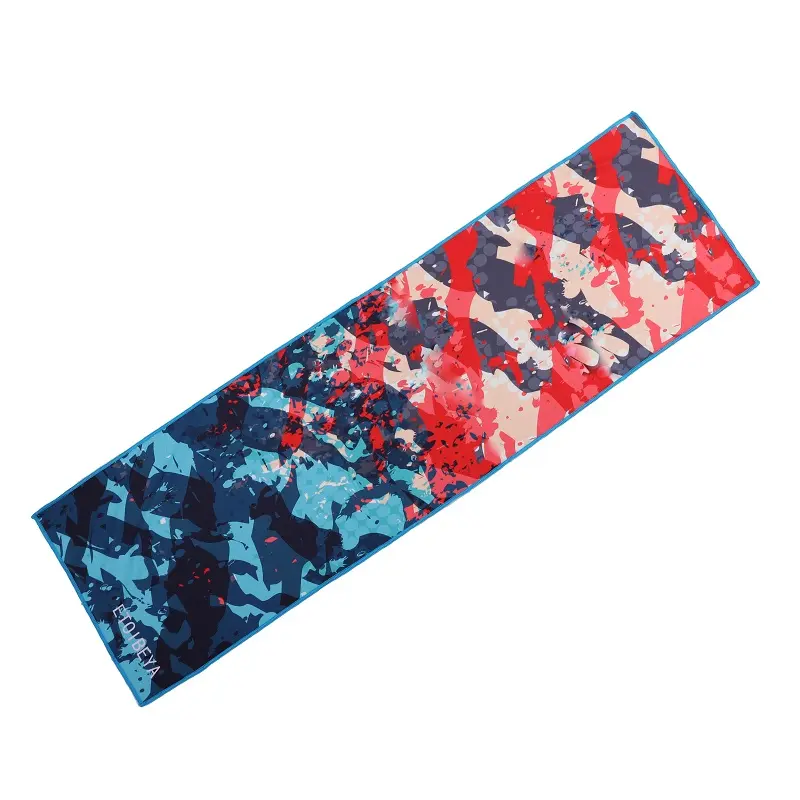
When summer temperatures rise and you spend long hours under the sun, the last thing you want is a heavy, damp towel clinging to your body. The materials used in quick dry beach towels play a decisive role in how comfortable you feel during those hot, humid days at the shore. Understanding what breathable fabrics actually do—and why certain materials outperform others in warm conditions—helps both consumers and B2B buyers make smarter, more confident purchasing decisions.
Quick dry beach towels are not simply thinner versions of regular bath towels. They are engineered products built around specific fiber technologies and weave structures designed to manage moisture, allow air circulation, and maintain a soft, non-abrasive feel even after repeated exposure to sand, saltwater, and sunlight. This article explores the key breathable materials that define the comfort performance of quick dry beach towels in hot weather, giving you a clear picture of what to look for and why it matters.
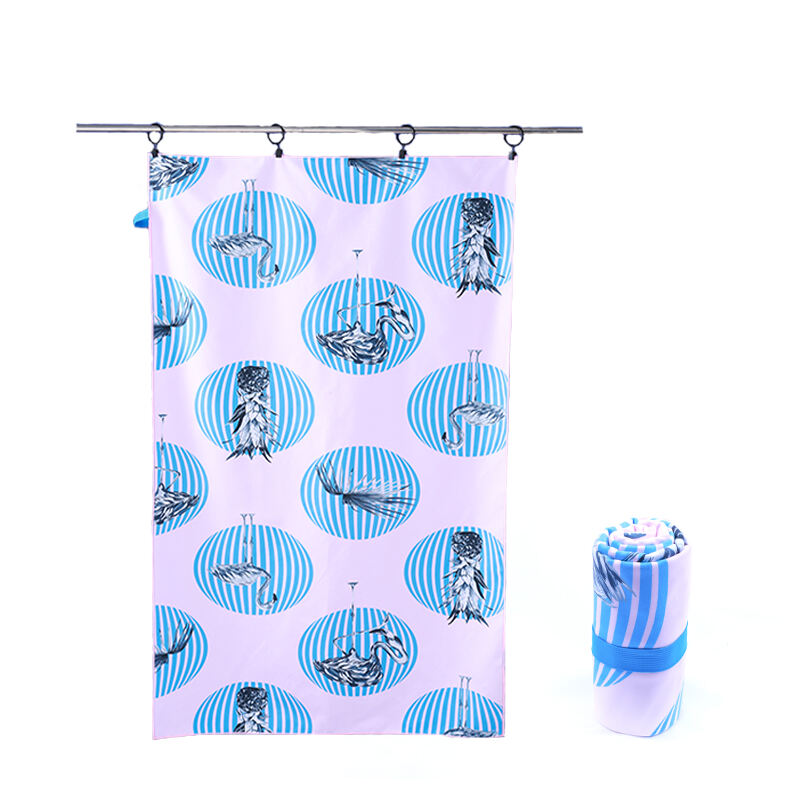
Why Breathability Matters in Hot Weather Towels
The Connection Between Fabric Breathability and Skin Comfort
Breathability in a towel fabric refers to its ability to allow air and moisture vapor to pass through the material rather than trapping heat and dampness against the skin. In hot weather, the human body produces more sweat, and a non-breathable towel creates a warm, moist microclimate between the fabric and your skin. This not only feels uncomfortable but also promotes bacterial growth over time.
Quick dry beach towels made from breathable materials actively wick moisture away from the body's surface and allow it to evaporate rapidly. This evaporative cooling effect is one of the primary reasons why the right fabric choice makes such a significant difference in warm, sunny conditions. The faster a towel dries—both your body and itself—the more pleasant the beach experience becomes.
For B2B buyers sourcing towels for hotels, resorts, or beach clubs, breathability is not just a comfort feature. It directly affects guest satisfaction scores and the towel's functional lifespan, since breathable fabrics resist mold and mildew far more effectively than dense, slow-drying alternatives.
How Weave Structure Enhances Airflow
Beyond fiber type, the physical structure of the weave significantly impacts how much air can move through the towel. Open weave patterns—such as waffle weave or flat weave designs—create small channels and pockets that facilitate airflow across the fabric's surface. Traditional terry cloth weaves, by contrast, trap air within their looped pile, which insulates rather than ventilates.
Quick dry beach towels frequently use flat or semi-flat weave constructions specifically because these structures reduce weight, increase surface area for evaporation, and allow ambient air to interact with the fabric more freely. When combined with a high-performance breathable fiber, the weave amplifies the towel's overall cooling and drying performance in hot weather.
Microfiber: The Leading Material in Quick Dry Beach Towels
What Makes Microfiber Exceptionally Breathable
Microfiber is the most widely used material in premium quick dry beach towels, and for good reason. Composed of ultra-fine synthetic fibers—typically a blend of polyester and polyamide (nylon)—microfiber is engineered at a microscopic level to maximize surface area per unit of weight. This extraordinary surface area is what gives microfiber its remarkable moisture absorption and rapid evaporation capabilities.
The fibers in microfiber quick dry beach towels are typically many times finer than a human hair, allowing them to draw moisture into the fabric through capillary action and spread it across a vast internal surface where it evaporates quickly. In hot weather, this means the towel dries your skin efficiently after swimming, then dries itself within minutes when spread out under the sun or in open air.
Because microfiber is lightweight and compact, it does not retain heat in the same way that thick cotton towels do. This inherent lightness contributes to a more breathable experience, making it one of the top material choices for anyone who prioritizes comfort during extended beach sessions in warm climates.
Polyester-Polyamide Blends and Their Comfort Advantages
Most high-quality quick dry beach towels use a specific blend ratio of polyester and polyamide, typically around 80% polyester and 20% polyamide. Polyester contributes the structural integrity and moisture-wicking properties, while polyamide adds softness and elasticity to the fabric. The combination produces a towel that feels gentle on sun-sensitive skin while still delivering superior drying performance.
This blend also resists chlorine, saltwater, and UV degradation better than natural fibers, which is particularly relevant for beach environments. For wholesale buyers and resorts that cycle towels through heavy use, this durability translates to a lower cost per use and a consistent comfort experience for guests throughout the towel's lifespan.
The microstructure of the polyester-polyamide blend also means that quick dry beach towels made from this material remain breathable even when wet. Unlike cotton, which becomes heavy and sticky when saturated, microfiber maintains its open texture and continues to allow air movement even after absorbing moisture.
Natural and Semi-Natural Fibers That Support Breathability
Bamboo Fiber and Its Thermal Regulation Properties
Bamboo-derived fibers have gained significant traction in the premium towel segment because of their natural breathability and temperature-regulating properties. Bamboo fiber contains a micro-gap structure that promotes ventilation and moisture transport, making it well-suited for quick dry beach towels intended for sensitive skin or eco-conscious consumers.
In hot weather, bamboo fiber's natural thermal regulation helps keep the fabric cooler to the touch compared to standard synthetic options. The fiber also has inherent antibacterial properties, which reduces odor buildup during extended beach use—a practical benefit that resonates strongly with both end consumers and hospitality buyers managing large towel inventories.
Bamboo is often blended with microfiber or cotton to create quick dry beach towels that combine the sustainability credentials of natural materials with the performance characteristics of modern textile engineering. These hybrid fabrics are particularly popular in the premium resort and wellness market where perceived naturalness is a selling point.
Turkish Cotton and Egyptian Cotton Variants
Long-staple cotton varieties such as Turkish cotton and Egyptian cotton are recognized for producing towels with exceptional softness and good breathability relative to standard cotton. Their longer fibers create a smoother, less dense fabric that allows for slightly better airflow than conventional terry cloth while still offering the familiar feel of a natural fiber towel.
However, it is important to note that even premium cotton quick dry beach towels generally absorb more water and dry more slowly than microfiber equivalents. In very hot weather, this means cotton towels can become heavy and uncomfortable more quickly. Brands that produce cotton-based quick dry beach towels often use a thinner, flat-woven construction—such as the peshtemal or fouta style—to reduce weight and improve drying time.
For buyers who prioritize natural fiber credentials over absolute drying speed, well-woven long-staple cotton quick dry beach towels represent a viable option, particularly in markets where natural materials command a price premium and the hot, dry climate aids in faster air-drying.
Technical Features That Amplify Breathable Performance
Moisture-Wicking Treatments and Surface Finishes
Beyond raw fiber choice, many quick dry beach towels are enhanced with moisture-wicking surface treatments that accelerate the movement of sweat and water from the skin to the outer surface of the fabric. These treatments modify the surface tension of the fibers, encouraging liquid to spread laterally across the towel rather than pooling in one area, which dramatically speeds up evaporation.
In hot weather environments, this wicking behavior is especially valuable. When you lie on the towel or use it to wrap around your body, the treated surface actively works to keep you drier by continuously moving moisture away from contact points. This performance characteristic is a key differentiator between standard beach towels and purpose-built quick dry beach towels engineered for warm climate use.
For B2B buyers evaluating towel specifications, understanding whether a product uses a durable wicking finish—one that survives multiple wash cycles—versus a temporary treatment is crucial. Durable finishes maintain breathability performance throughout the towel's commercial lifespan, justifying a higher initial unit cost through sustained functionality.
Gsm Weight and Its Role in Hot Weather Comfort
GSM (grams per square meter) is a critical specification for understanding how a towel will perform in hot weather. Lower GSM values—typically between 200 and 350 GSM for quick dry beach towels—indicate a lighter, thinner fabric that dries faster and allows greater airflow. Higher GSM towels are plush and absorbent but sacrifice breathability and drying speed in the process.
For maximum comfort in hot, sunny conditions, quick dry beach towels in the 250–320 GSM range tend to strike the ideal balance. They are absorbent enough to dry the body effectively after swimming but light enough to dry themselves within a short time, preventing the dampness and heat retention that makes heavy towels uncomfortable in warm weather.
Wholesale buyers specifying quick dry beach towels for beach resorts, water parks, or outdoor hospitality venues should pay close attention to GSM in relation to the intended climate. A towel with the right GSM paired with the right breathable material will consistently outperform a premium fabric in the wrong weight class when it comes to hot weather comfort.
Selecting the Right Material for Your Specific Hot Weather Needs
Matching Material Choice to Use Context
Not every buyer has identical needs, and the best breathable material for quick dry beach towels depends on the specific use context. For high-turnover commercial environments like beach clubs or resort pool decks, microfiber polyester-polyamide towels in the 250–300 GSM range offer the most practical combination of durability, drying speed, and washability. They maintain breathability performance across hundreds of wash cycles and resist the damage caused by chlorine and saltwater.
For retail or direct-to-consumer markets where natural feel and eco-positioning are priorities, bamboo blends or flat-woven Turkish cotton quick dry beach towels offer a compelling product story alongside genuine breathability. These materials connect with environmentally conscious consumers who are willing to pay a premium for materials that feel natural and align with their values.
Understanding your end customer's expectations—whether they prioritize speed, softness, sustainability, or durability—allows you to specify the right breathable material for the quick dry beach towels in your product line. This precision in material selection is what separates well-designed beach textile programs from generic commodity sourcing.
Long-Term Performance and Breathability Retention
Breathability is not a static property—it can degrade over time if the wrong care practices are applied or if the fabric was treated with a surface finish that diminishes after repeated washing. For quick dry beach towels to maintain their comfort performance in hot weather over their full lifespan, the base material's breathability must be inherent to the fiber structure rather than dependent solely on a topical treatment.
Microfiber quick dry beach towels generally retain their breathability and wicking performance very well over time because these properties are built into the physical structure of the fibers. Bamboo blends also maintain their natural porosity with appropriate care. Cotton variants may become denser and less breathable over time if subjected to high-heat drying or harsh washing chemicals, which is an important consideration for commercial buyers who launder towels frequently.
Specifying care instructions clearly on product labels and educating commercial clients about appropriate washing practices protects the long-term performance of any breathable quick dry beach towel. This is particularly important for hospitality buyers who want consistent guest experiences across hundreds of towel uses and laundry cycles.
FAQ
What is the most breathable material for quick dry beach towels in hot weather?
Microfiber—specifically a polyester-polyamide blend—is generally considered the most breathable material for quick dry beach towels in hot weather. Its ultra-fine fiber structure maximizes surface area for rapid moisture evaporation while keeping the fabric lightweight and non-insulating. Bamboo fiber blends are also highly breathable and offer additional benefits like natural antibacterial properties and a cooler touch in warm conditions.
Do quick dry beach towels made from natural fibers perform well in hot climates?
Yes, certain natural fiber options perform well in hot climates, particularly flat-woven Turkish cotton and bamboo fiber towels. While they typically dry more slowly than microfiber options, their natural breathability and soft texture make them suitable for hot, dry environments where air-drying time is not a major constraint. For high-humidity coastal environments, microfiber quick dry beach towels generally outperform natural fiber alternatives in overall comfort and drying speed.
What GSM weight should I look for in breathable quick dry beach towels?
For hot weather use, quick dry beach towels in the 250–320 GSM range typically offer the best balance between absorbency and breathability. Towels below 200 GSM may feel too thin and lack sufficient absorbency, while towels above 400 GSM tend to retain too much moisture and dry slowly, reducing comfort in humid or sunny beach conditions. The ideal GSM also depends on the fiber type—microfiber performs well at lower GSM values than cotton due to its superior absorption efficiency.
How can I tell if a quick dry beach towel will stay breathable after many washes?
Look for quick dry beach towels where breathability is inherent to the fiber structure rather than applied as a surface treatment. Microfiber and bamboo blend towels tend to retain their breathable properties through repeated washes because their porosity comes from the physical composition of the fibers. Always check whether the product specifies a durable moisture-wicking finish versus a standard one, and follow the manufacturer's recommended washing guidelines—typically cool or warm water washing and low-heat or air drying—to preserve fabric integrity over time.
Table of Contents
- Why Breathability Matters in Hot Weather Towels
- Microfiber: The Leading Material in Quick Dry Beach Towels
- Natural and Semi-Natural Fibers That Support Breathability
- Technical Features That Amplify Breathable Performance
- Selecting the Right Material for Your Specific Hot Weather Needs
-
FAQ
- What is the most breathable material for quick dry beach towels in hot weather?
- Do quick dry beach towels made from natural fibers perform well in hot climates?
- What GSM weight should I look for in breathable quick dry beach towels?
- How can I tell if a quick dry beach towel will stay breathable after many washes?