
 EN
EN
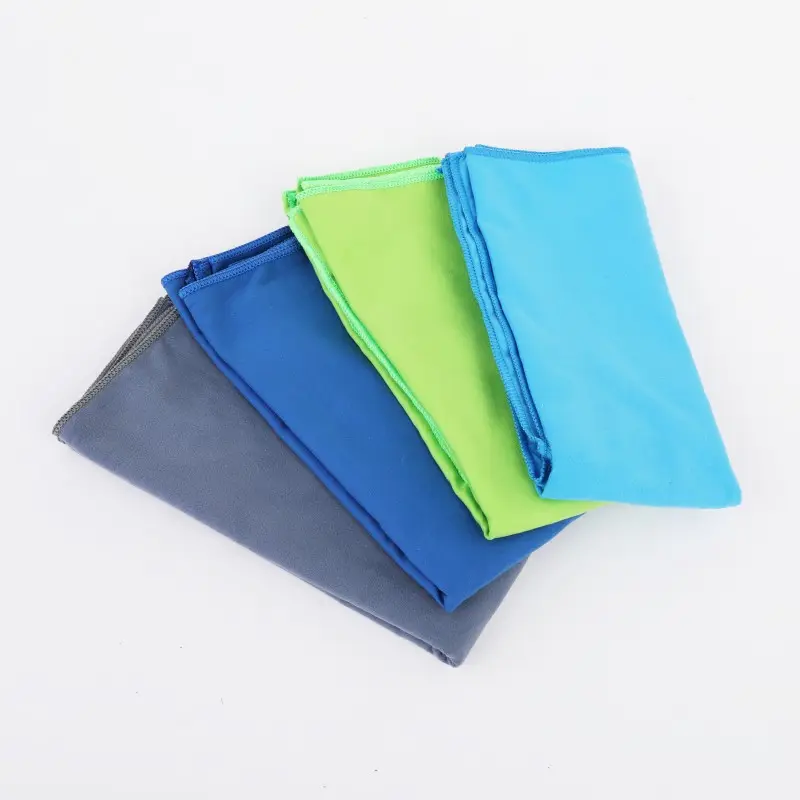
Sustainability is no longer a fringe concept in business — it has become a core expectation from consumers, partners, and investors alike. Companies across industries are actively seeking ways to align their promotional materials and branded merchandise with their environmental commitments. Among the most visible and practical options available today, custom beach towels have emerged as a surprisingly powerful vehicle for communicating eco-friendly values while delivering real-world utility to end users. When designed and sourced responsibly, these products go far beyond a simple giveaway item.
For B2B buyers, marketing teams, and corporate procurement specialists, understanding how custom beach towels support eco-friendly branding initiatives requires looking at both the product lifecycle and the messaging opportunity they create. From material selection to end-of-life recyclability, every decision made during the development of branded towels sends a signal about what a company truly values. This article breaks down exactly how these products serve as authentic sustainability tools — and why that matters more than ever in today's competitive branding landscape.
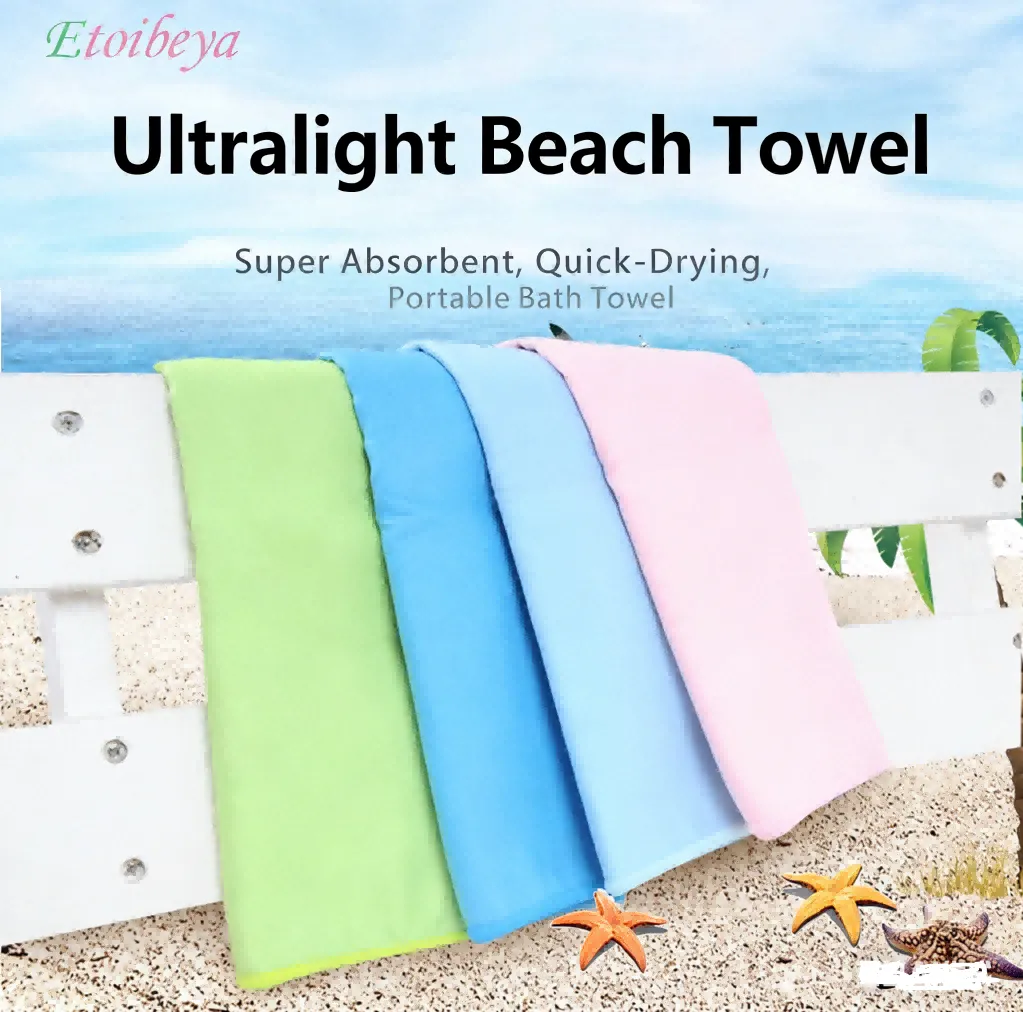
The Environmental Case for Choosing Eco-Friendly Custom Beach Towels
Material Origins and Their Branding Implications
The most immediate way that custom beach towels support eco-friendly branding is through the raw materials used in their production. Conventional cotton towels, while comfortable, require enormous amounts of water and pesticide use during cultivation. In contrast, towels made from recycled fibers — particularly recycled PET from post-consumer plastic bottles — dramatically reduce environmental impact from the very first stage of the supply chain. This materials story is one that sustainability-focused brands can communicate with clarity and confidence.
Recycled microfiber, for example, offers a compelling narrative: a discarded plastic bottle is transformed into a high-performance, soft, and durable beach towel bearing your company's logo. This transformation story is not just environmentally meaningful — it is emotionally resonant for recipients. Custom beach towels produced with certified recycled content give brands a tangible proof point for their sustainability pledges, rather than vague marketing language that consumers increasingly distrust.
When a company chooses custom beach towels made from eco-certified materials, they are not just making a procurement decision — they are making a public statement. The material origin becomes part of the brand story, and that story travels every time a recipient uses the towel at a beach, a resort, or a corporate retreat. The branding value is exponential.
Production Processes and Their Role in Sustainability
Beyond raw materials, the production process used to manufacture custom beach towels carries significant environmental weight. Brands committed to eco-friendly initiatives should look for suppliers who implement water-efficient dyeing processes, avoid harmful azo dyes, and maintain certifications such as OEKO-TEX or GRS (Global Recycled Standard). These certifications are not just compliance badges — they are third-party validations that the product aligns with credible environmental standards.
Low-impact printing methods for logo application also matter. Sublimation printing, for instance, uses heat rather than excess chemical binders, reducing wastewater output during the customization process. When brands specify these methods in their procurement requirements for custom beach towels, they extend their sustainability values all the way through the manufacturing chain. This holistic approach demonstrates a level of environmental integrity that resonates with increasingly sophisticated B2B and B2C audiences.
Companies that can point to both certified materials and clean production processes when discussing their branded merchandise have a significantly stronger sustainability story to tell. Custom beach towels manufactured under these conditions become living evidence of a brand's commitment, not just a product with a logo on it.
How Custom Beach Towels Reinforce Brand Identity Through Sustainability Messaging
The Product as a Sustainability Communication Channel
Every time a recipient uses a branded towel, they are engaging with a physical brand touchpoint. When that towel is made from eco-friendly materials, it carries a dual message: here is a useful product, and here is a company that made responsible choices to create it. This dual messaging is unusually efficient from a marketing investment standpoint. Custom beach towels have one of the highest usage rates among promotional items, meaning the sustainability message is repeated across dozens or even hundreds of use occasions over the product's lifetime.
Smart brands take advantage of this by incorporating sustainability messaging directly into the towel design or packaging. A small tag or printed message indicating that the towel is made from a certain number of recycled plastic bottles transforms a passive branding item into an active education tool. Recipients learn something meaningful about the brand every time they pick it up. This kind of embedded storytelling is something that digital advertising cannot replicate, and custom beach towels are particularly well-suited to it because of their extended useful life.
The premium perception associated with eco-certified products also plays in a brand's favor. Recipients who receive a well-crafted, clearly sustainable custom beach towel tend to associate the quality and thoughtfulness of the gift with the brand itself. This halo effect is especially valuable in B2B contexts where a company is trying to differentiate itself from competitors on values as much as on price or technical specifications.
Aligning Branded Merchandise with Corporate Sustainability Goals
For many organizations, sustainability commitments are formalized in ESG reports, carbon reduction targets, or supplier codes of conduct. Branded merchandise has historically been an inconsistency in this framework — companies publish rigorous environmental policies and then hand out plastic-wrapped, conventionally made promotional items at trade shows. Custom beach towels made from recycled or sustainable materials offer a way to close this gap and bring promotional spending into alignment with stated corporate values.
Procurement teams that include sustainability criteria in their branded merchandise sourcing are increasingly common, particularly in sectors like technology, finance, and consumer goods. By specifying eco-friendly custom beach towels, these teams can demonstrate that environmental responsibility extends to every category of company spending, not just energy use or manufacturing processes. This consistency strengthens the credibility of the overall sustainability narrative when communicated to stakeholders.
Corporate gifting programs that feature custom beach towels with verified sustainability credentials can also be referenced in annual sustainability reporting. Unlike abstract carbon offset purchases, physical products with certified environmental attributes provide tangible, quantifiable data points — such as the number of plastic bottles diverted from landfill — that make for compelling sustainability disclosures.
Practical Applications of Eco-Friendly Custom Beach Towels in B2B Contexts
Trade Shows, Events, and Corporate Gifting
Trade shows and corporate events represent a high-visibility context for branded merchandise, and custom beach towels stand out in this environment precisely because they are premium, functional, and memorable. When they also carry an eco-friendly backstory, they become conversation starters. Representatives can explain the sustainable sourcing behind the product, reinforcing the brand's environmental messaging in a direct, human interaction.
In corporate gifting programs, especially those targeting environmentally conscious clients or partners, eco-friendly custom beach towels signal a level of thoughtfulness that generic promotional products cannot match. They communicate that the gifting company paid attention to who it was giving to and made choices accordingly. In relationship-driven B2B markets, this kind of perceived attentiveness has measurable value in terms of client retention and goodwill.
Seasonal gifting campaigns tied to summer, resort events, or wellness programs are natural occasions for deploying custom beach towels. The product category itself is associated with leisure, health, and the outdoors — all values that align naturally with sustainability messaging. This contextual fit makes eco-friendly branded towels unusually coherent as a gift choice for environmentally positioned brands.
Employee Engagement and Internal Sustainability Campaigns
Sustainability branding is not only an external exercise — it must also resonate internally. Employees who receive eco-friendly custom beach towels as part of onboarding packages, wellness initiatives, or recognition programs are being sent a clear message about what the company stands for. This internal alignment is critical because employees are among the most influential ambassadors for any brand's values.
When team members use their branded towels outside the workplace — at beaches, gyms, or community events — they extend the brand's eco-friendly visibility far beyond any paid media channel. Custom beach towels function as organic, user-generated brand presence in the real world, and when the products themselves are sustainably made, that presence carries authentic credibility rather than empty promotional noise.
Companies running sustainability challenges or environmental awareness campaigns internally can use eco-friendly custom beach towels as meaningful rewards or participation incentives. The product reinforces the campaign's message by embodying it, creating a coherent experience that deepens employee engagement with the company's environmental goals.
Selecting the Right Eco-Friendly Custom Beach Towels for Your Brand
Key Criteria for Sustainable Sourcing
Not all claims of sustainability in textile manufacturing are equal, and B2B buyers must apply rigorous criteria when sourcing custom beach towels for branded programs. The starting point should be material certification: look for GRS-certified recycled fibers, GOTS-certified organic cotton, or other credible third-party standards that verify the environmental claims being made. Supplier-provided certifications should be current and verifiable, not self-reported.
Beyond certification, consider the full lifecycle of the custom beach towels you are procuring. A durable towel that lasts five or more years with regular use has a far lower environmental impact per use than a cheaper alternative that degrades after a season. Investing in quality not only extends the branding impression timeline — it genuinely reduces the product's overall environmental footprint. This is a nuance that sustainability-focused procurement teams understand and that suppliers of quality eco-friendly towels can quantify.
Packaging choices for custom beach towels should also be assessed. Recycled or biodegradable packaging, minimal plastic use, and compact packaging designs that reduce shipping volume all contribute to the overall eco-friendliness of the purchase. Brands that give attention to these details demonstrate a comprehensive understanding of sustainability that resonates with environmentally aware recipients and stakeholders.
Customization Options That Maintain Eco Integrity
One concern that sometimes arises when brands specify eco-friendly custom beach towels is whether customization options will be limited. In practice, responsibly manufactured towels can offer extensive personalization — including full-color sublimation printing, woven labels, custom sizes, and a wide range of color choices — without compromising environmental integrity. The key is working with suppliers who use low-impact printing methods and non-toxic colorants throughout the customization process.
Logo placement, design complexity, and even packaging customization can all be managed in ways that maintain the product's eco credentials. Brands should brief their suppliers clearly on both branding requirements and sustainability expectations, treating them as complementary rather than competing priorities. The most capable suppliers of eco-friendly custom beach towels will be able to advise on how to achieve both goals without compromise.
For large-volume orders, minimum order quantities and lead times for eco-certified custom beach towels may differ slightly from conventional options, but the growing maturity of the sustainable textiles market has significantly reduced these gaps. Planning ahead and building sustainability criteria into early-stage procurement planning ensures that brands are not forced to compromise on environmental standards due to timeline or budget pressures at the last minute.
FAQ
What materials make custom beach towels genuinely eco-friendly?
The most credibly eco-friendly custom beach towels are made from materials with verified environmental attributes, such as GRS-certified recycled PET fibers derived from post-consumer plastic bottles, GOTS-certified organic cotton, or responsibly sourced bamboo blends. Third-party certification is essential — it distinguishes genuine sustainability from greenwashing. Buyers should request certification documentation and verify that supplier claims are backed by credible standards bodies.
How do custom beach towels serve as a sustainability communication tool?
Custom beach towels communicate sustainability through their material story, which can be shared via printed tags, packaging inserts, or digital companion content. When a towel is made from, for example, a specific number of recycled plastic bottles, that number becomes a shareable, tangible proof point that recipients engage with and remember. The extended product lifespan also means this communication happens repeatedly over years, making the cost-per-impression for sustainability messaging exceptionally low.
Can eco-friendly custom beach towels match the quality of conventional promotional towels?
Yes — modern eco-friendly custom beach towels, particularly those made from recycled microfiber, often exceed conventional promotional towels in terms of softness, absorbency, quick-drying performance, and durability. Advances in recycled fiber technology have closed the quality gap considerably, and in many product lines, eco-certified towels are considered premium rather than inferior options. Sourcing from experienced suppliers with established quality control processes ensures that sustainability and product performance go hand in hand.
How should businesses quantify the branding value of eco-friendly custom beach towels?
Businesses can quantify the branding value of eco-friendly custom beach towels by tracking metrics such as estimated impressions per item based on usage frequency, the number of plastic bottles or liters of water saved per unit (which can be communicated in sustainability reports), and recipient feedback on perceived brand quality and values alignment. Compared to single-use promotional items, custom beach towels deliver dramatically more brand exposures per dollar spent, making them among the most cost-effective branded merchandise investments available, particularly when aligned with documented sustainability goals.
Table of Contents
- The Environmental Case for Choosing Eco-Friendly Custom Beach Towels
- How Custom Beach Towels Reinforce Brand Identity Through Sustainability Messaging
- Practical Applications of Eco-Friendly Custom Beach Towels in B2B Contexts
- Selecting the Right Eco-Friendly Custom Beach Towels for Your Brand
-
FAQ
- What materials make custom beach towels genuinely eco-friendly?
- How do custom beach towels serve as a sustainability communication tool?
- Can eco-friendly custom beach towels match the quality of conventional promotional towels?
- How should businesses quantify the branding value of eco-friendly custom beach towels?