
 EN
EN
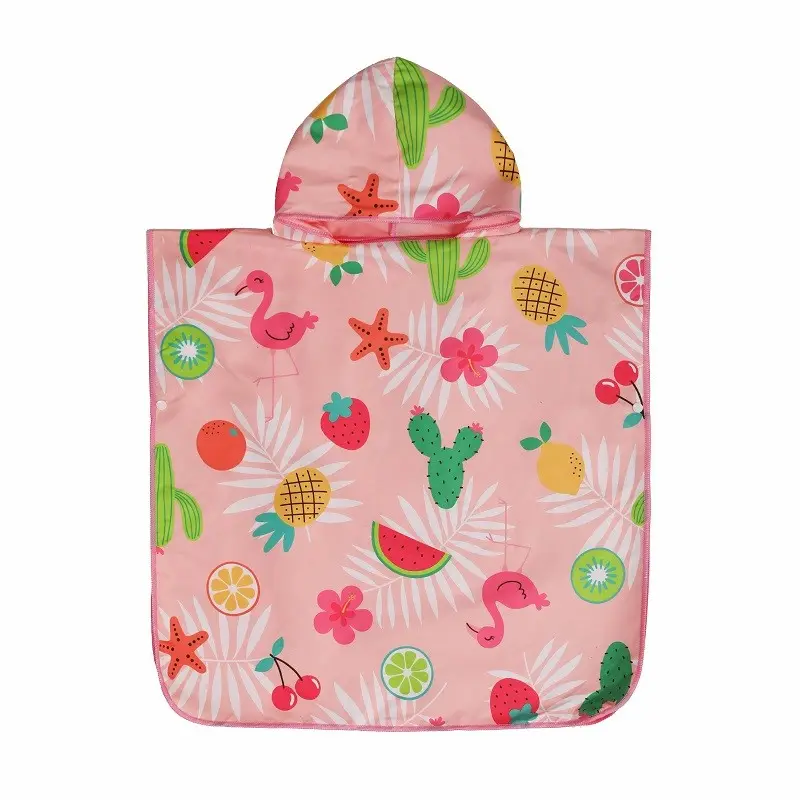
When selecting protective outerwear for children, parents face the challenge of finding garments that effectively shield against the elements while maintaining comfort throughout wear. Kids ponchos have emerged as a versatile solution that addresses both functionality and comfort needs, offering unique advantages over traditional raincoats and jackets. These specialized garments combine lightweight construction with comprehensive coverage, making them ideal for active children who require freedom of movement during outdoor activities. Understanding the essential features that define quality kids ponchos enables parents to make informed decisions that prioritize both protection and comfort for their children.
Material Technology and Fabric Innovation
Advanced Waterproof Membrane Systems
Modern kids ponchos incorporate sophisticated membrane technologies that create impermeable barriers against moisture while maintaining breathability. These multi-layer fabric systems utilize microscopic pores that prevent water droplets from penetrating while allowing vapor molecules to escape, effectively managing internal humidity. The integration of polyurethane or polytetrafluoroethylene membranes within fabric structures ensures long-lasting waterproof performance without compromising flexibility. Advanced seam sealing techniques complement these membrane systems, creating watertight barriers at critical stress points where fabric panels connect.
The development of hydrophobic coatings further enhances water resistance by encouraging rapid water shedding from fabric surfaces. These treatments work at the molecular level, creating surface tension that causes water to bead and roll off rather than soaking into fibers. Quality kids ponchos feature durable water repellent treatments that maintain effectiveness through multiple washing cycles, ensuring consistent performance throughout extended use periods. The combination of membrane technology and surface treatments creates comprehensive moisture protection that adapts to varying weather conditions.
Breathable Fabric Construction
Breathability represents a critical factor in poncho design, particularly for active children who generate significant body heat during physical activities. High-performance fabrics incorporate engineered ventilation systems that facilitate air circulation while maintaining waterproof integrity. These systems often feature strategically placed micro-perforations or mesh panels that enhance airflow without creating entry points for moisture. The balance between protection and ventilation requires precise engineering to ensure optimal comfort across diverse environmental conditions.
Moisture-wicking properties complement breathable construction by actively transporting perspiration away from skin surfaces toward outer fabric layers where evaporation can occur. This moisture management system prevents the accumulation of dampness that could compromise thermal regulation and overall comfort. Advanced fiber technologies incorporate hygroscopic materials that absorb excess moisture while maintaining quick-drying characteristics, ensuring that kids ponchos remain comfortable during extended wear periods.
Ergonomic Design and Fit Optimization
Anatomical Shaping Principles
Effective kids ponchos feature ergonomic designs that accommodate natural body movements and growth patterns specific to developing children. These garments incorporate anatomical shaping that follows shoulder contours, arm positioning, and torso proportions to minimize restriction during active play. The integration of stretch panels at key movement points allows for unrestricted range of motion while maintaining protective coverage. Careful consideration of proportional scaling ensures that sizing options accommodate diverse body types within specific age ranges.
Growth accommodation features represent essential design elements that extend garment utility across multiple seasons and size changes. Adjustable components such as elastic waistbands, expandable cuffs, and variable length adjustments allow kids ponchos to adapt as children develop. These adaptive features provide economic value while ensuring consistent fit quality throughout extended use periods. Strategic placement of adjustment mechanisms maintains aesthetic appeal while delivering functional benefits that parents appreciate.
Mobility Enhancement Features
Freedom of movement stands as a paramount concern when designing protective outerwear for active children who engage in various physical activities throughout their daily routines. Kids ponchos address this requirement through innovative pattern engineering that eliminates restrictive construction elements common in traditional rainwear. Raglan sleeve designs, articulated panels, and strategic dart placement create three-dimensional shaping that moves naturally with body mechanics.
Lightweight construction methodologies reduce overall garment weight while maintaining structural integrity and protective capabilities. Advanced manufacturing techniques eliminate unnecessary bulk through precision cutting and strategic seaming that distributes stress loads efficiently. The reduction of excess material weight decreases fatigue during extended wear while improving overall user experience. These engineering approaches ensure that protective capabilities do not compromise physical performance or comfort during active use.
Safety Features and Visibility Enhancement
Reflective Element Integration
Visibility enhancement represents a crucial safety consideration for kids ponchos intended for use during low-light conditions or adverse weather situations. High-visibility reflective materials incorporated into garment design significantly improve detection distances for motorists and other individuals in various environments. These reflective elements utilize retroreflective technology that returns light directly to its source, creating bright illumination when struck by artificial lighting sources such as vehicle headlights or flashlights.
Strategic placement of reflective components maximizes visibility while maintaining aesthetic appeal and functional performance. Reflective strips positioned along sleeve edges, back panels, and hood perimeters create comprehensive coverage that remains visible from multiple viewing angles. The integration of reflective logos, decorative elements, and trim details provides safety benefits while contributing to overall design attractiveness that appeals to young users. Quality reflective materials maintain adhesion and performance characteristics through repeated washing and wearing cycles.
Hood Design and Head Protection
Comprehensive head protection through well-designed hood systems represents an essential feature that distinguishes quality kids ponchos from basic rain protection garments. Advanced hood engineering incorporates adjustable sizing mechanisms that accommodate various head dimensions while maintaining secure positioning during movement. Peripheral vision considerations ensure that hood edges do not obstruct lateral sight lines, maintaining safety awareness during activities. Wire reinforcement or shaped brim elements provide structural support that prevents hood collapse during wind exposure.
Attachment security systems prevent hood displacement while allowing for quick removal when protection becomes unnecessary. Toggle adjustments, elastic drawcords, and snap-closure systems provide multiple securing options that accommodate user preferences and activity requirements. The integration of chin guards and face protection elements shields sensitive facial areas from wind-driven precipitation while maintaining comfortable fit characteristics. Proper hood design balances protection, comfort, and safety considerations essential for active children.
Durability and Construction Quality
Reinforcement Strategies
Long-term durability requirements for kids ponchos demand sophisticated reinforcement strategies that address high-stress areas susceptible to wear and damage during normal use. Strategic reinforcement placement at seam intersections, pocket attachments, and closure points significantly extends garment lifespan while maintaining protective integrity. Double-stitching techniques, bartacking procedures, and stress-distribution methods create robust construction that withstands repeated loading cycles common in children's activities.
Abrasion-resistant materials incorporated into high-contact areas such as shoulder zones, elbow regions, and lower hem sections provide enhanced durability against surface friction and impact damage. These reinforcement materials often feature different textures or compositions that offer superior resistance characteristics while maintaining flexibility and comfort. The integration of protective overlays and wear patches creates sacrificial barriers that absorb damage while preserving underlying fabric integrity. Quality kids ponchos demonstrate exceptional durability through comprehensive reinforcement strategies.
Closure System Engineering
Reliable closure systems represent critical components that determine both functional performance and user satisfaction in kids ponchos designed for regular use. Advanced zipper technologies featuring water-resistant designs, corrosion-resistant materials, and smooth operation characteristics ensure consistent performance across diverse environmental conditions. Storm flaps and baffle systems complement primary closures by creating additional moisture barriers that prevent water infiltration through closure mechanisms during severe weather exposure.
Alternative closure methods such as snap systems, hook-and-loop attachments, and magnetic closures provide options for children with varying dexterity levels and preference requirements. These systems offer quick operation capabilities while maintaining secure positioning during active use. The integration of backup closure elements ensures continued protection even if primary systems experience temporary failure. Quality closure engineering balances security, ease of use, and weather resistance requirements essential for reliable kids ponchos.
Comfort Enhancement Technologies
Thermal Regulation Systems
Advanced thermal regulation represents a sophisticated feature that distinguishes premium kids ponchos from basic rain protection garments through intelligent temperature management capabilities. Phase-change materials incorporated into fabric structures absorb and release thermal energy to maintain comfortable skin temperatures across varying environmental conditions. These materials respond dynamically to body heat fluctuations, providing cooling effects during high activity periods and insulation benefits when metabolic rates decrease.
Zoned ventilation systems complement thermal regulation through strategically placed openings that facilitate controlled air circulation without compromising waterproof protection. These systems often feature closeable vents that allow users to adjust airflow according to activity levels and environmental conditions. Mesh-lined panels, perforated sections, and zippered ventilation ports provide multiple options for thermal management. The integration of these systems ensures that kids ponchos maintain comfort across diverse usage scenarios while delivering consistent protection.
Interior Comfort Features
Interior comfort enhancements focus on optimizing the interface between garment and wearer through careful attention to surface textures, moisture management, and ergonomic considerations. Soft-touch interior linings provide pleasant tactile experiences while facilitating easy donning and removal procedures. Anti-microbial treatments incorporated into interior surfaces prevent odor development and maintain hygiene standards during extended wear periods. These treatments utilize silver-ion technology or other antimicrobial agents that inhibit bacterial growth without affecting fabric performance.
Flat-seam construction techniques eliminate interior pressure points and chafing areas that could cause discomfort during movement or extended wear. These construction methods create smooth interior surfaces that minimize friction while maintaining structural integrity and waterproof capabilities. Strategic padding placement at contact points such as shoulder areas and collar zones enhances comfort during backpack use or other equipment interaction. Quality kids ponchos demonstrate comprehensive attention to interior comfort details that significantly improve user experience.
FAQ
How should parents determine the correct size for kids ponchos
Proper sizing for kids ponchos requires consideration of both current measurements and growth accommodation features built into quality garments. Parents should measure chest circumference, arm length, and overall height while considering the loose-fitting nature of poncho designs that allow for layering underneath. Most manufacturers provide detailed sizing charts that account for the generous cut typical of kids ponchos, and selecting sizes that accommodate growth ensures extended utility. The incorporation of adjustable features such as drawcords, elastic elements, and expandable components allows for fine-tuning fit across multiple seasons.
What maintenance practices extend the lifespan of waterproof kids ponchos
Proper maintenance of kids ponchos involves regular cleaning with appropriate detergents that preserve waterproof coatings and membrane integrity while avoiding fabric softeners that can compromise performance. Gentle machine washing in cool water followed by air drying helps maintain fabric properties and prevents heat damage to specialized materials. Periodic reproofing treatments restore water repellent capabilities as original coatings gradually wear away through use and cleaning cycles. Proper storage in dry, well-ventilated areas prevents mold growth and maintains fabric condition during extended non-use periods.
Are kids ponchos suitable for year-round outdoor activities
Kids ponchos demonstrate versatility across multiple seasons through layering compatibility and adaptable design features that accommodate varying weather conditions. During warmer months, lightweight construction and ventilation systems provide rain protection without excessive heat retention, while cooler weather applications benefit from the ability to layer insulating garments underneath generous poncho dimensions. The wind-resistant properties of quality kids ponchos extend utility beyond rain protection, offering shelter from gusty conditions during various outdoor activities. However, extreme cold weather conditions may require additional insulation layers or alternative outerwear solutions.
How do kids ponchos compare to traditional rain jackets for active children
Kids ponchos offer distinct advantages over traditional rain jackets through superior freedom of movement, easier donning and removal, and better ventilation characteristics that benefit active children. The loose-fitting design eliminates the restrictive feeling common with fitted rain jackets while providing comprehensive coverage that extends below the waist. However, kids ponchos may be less suitable for extremely windy conditions where fitted garments provide better stability, and activities requiring precise arm movements might benefit from the closer fit of jacket designs. The choice depends on specific activity requirements, environmental conditions, and individual comfort preferences.