
 EN
EN
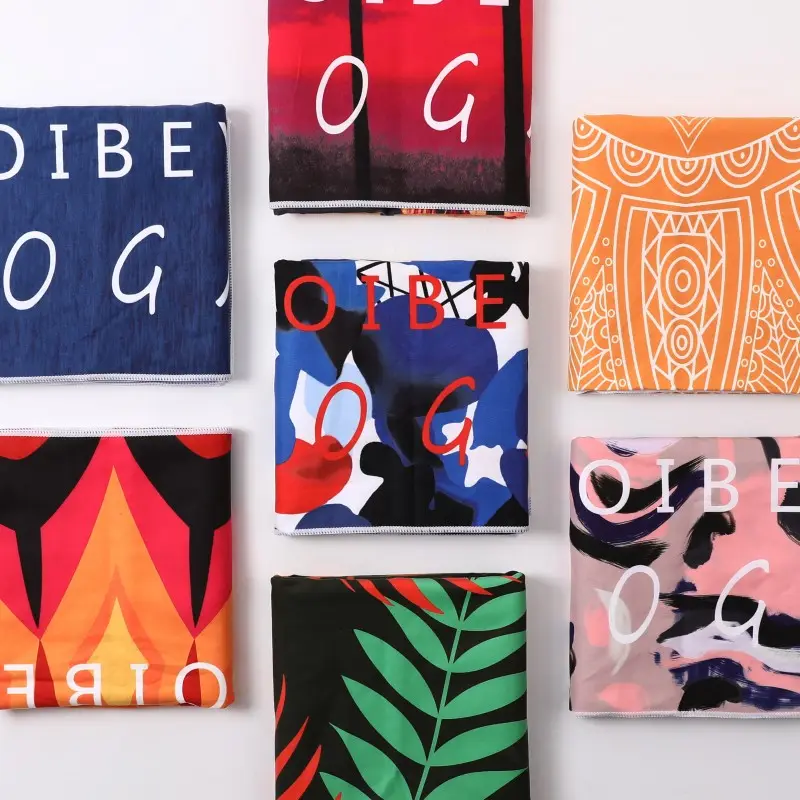
Modern travelers face numerous challenges when packing efficiently, and choosing the right absorbent materials can make a significant difference in comfort and convenience. Microfiber travel towels have revolutionized the way frequent flyers approach personal care essentials, offering superior absorption capabilities while maintaining compact dimensions. The science behind microfiber blends determines their effectiveness in various travel scenarios, from humid tropical destinations to dry mountain climates. Understanding the composition and characteristics of different microfiber travel towels helps discerning travelers make informed decisions that enhance their journey experience.
Understanding Microfiber Composition for Enhanced Absorption
Polyester and Polyamide Blend Ratios
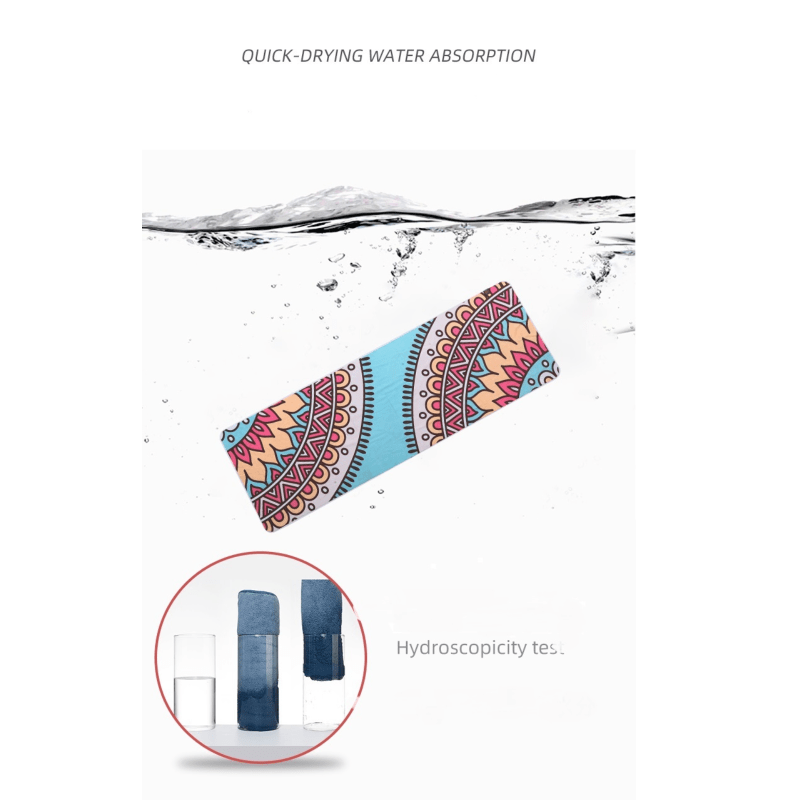
The foundation of superior microfiber travel towels lies in the precise balance between polyester and polyamide fibers. Polyester provides structural integrity and quick-drying properties, while polyamide contributes to the absorption capacity and softness against skin. Premium microfiber travel towels typically feature an 80/20 polyester-to-polyamide ratio, creating optimal conditions for moisture absorption and retention. This combination ensures that the towel can absorb up to seven times its weight in water while maintaining durability through repeated washing cycles.
Advanced manufacturing processes split these synthetic fibers into microscopic strands, creating exponentially more surface area for water absorption. The split-fiber technology increases the capillary action within microfiber travel towels, allowing them to draw moisture away from surfaces more effectively than traditional cotton alternatives. This enhanced absorption capability becomes particularly valuable for frequent flyers who need reliable performance in various environmental conditions.
Denier Weight and Fiber Density Considerations
The denier measurement of microfiber travel towels directly impacts their absorption capacity and overall performance characteristics. Lower denier weights, typically ranging from 0.5 to 1.0, create finer fibers that enhance absorption through increased surface tension and capillary action. These ultra-fine fibers in microfiber travel towels create microscopic gaps that trap water molecules more effectively than coarser alternatives.
Fiber density per square centimeter also plays a crucial role in determining the absorption potential of microfiber travel towels. Higher density configurations provide more contact points for water molecules, resulting in faster absorption rates and improved retention capabilities. Professional-grade microfiber travel towels often incorporate specialized weaving patterns that maximize fiber density without compromising the towel's flexibility or packability.
Advanced Blend Technologies in Modern Travel Towels
Bamboo Charcoal Infusion Benefits
Innovative microfiber travel towels now incorporate bamboo charcoal particles within their fiber structure, providing additional benefits beyond traditional absorption capabilities. Bamboo charcoal naturally possesses antimicrobial properties that help prevent odor-causing bacteria growth during extended travel periods. This enhancement makes microfiber travel towels more suitable for multi-day adventures where washing opportunities may be limited.
The porous nature of bamboo charcoal also contributes to improved moisture management in microfiber travel towels. These particles create additional micro-channels within the fiber matrix, facilitating faster water absorption and enhanced evaporation rates. Travelers benefit from towels that remain fresher longer and dry more quickly between uses, essential features for frequent flyers managing tight schedules.
Silver Ion Technology Integration
Premium microfiber travel towels increasingly feature silver ion technology embedded within their fiber structure. Silver ions provide natural antimicrobial protection that remains effective throughout the towel's lifespan, unlike surface treatments that may wash away over time. This integration helps maintain hygiene standards crucial for travelers exposed to various environmental conditions and potential contaminants.
The incorporation of silver ions in microfiber travel towels also enhances their absorption characteristics by creating a more hydrophilic fiber surface. This modification allows water molecules to spread more evenly across the towel's surface, improving overall absorption efficiency and reducing drying time between uses.
Performance Optimization for Different Travel Scenarios
Climate-Specific Absorption Requirements
Different travel destinations present unique challenges that influence the optimal characteristics of microfiber travel towels. Humid tropical environments require towels with enhanced quick-dry properties to prevent mildew and bacterial growth. In these conditions, microfiber travel towels with higher polyester content and specialized antimicrobial treatments perform best, maintaining freshness despite constant moisture exposure.
Conversely, arid climates demand microfiber travel towels with superior moisture retention capabilities to provide adequate absorption when water sources may be scarce. These environments benefit from towels with higher polyamide content and specialized fiber treatments that enhance water-holding capacity without compromising packability or weight considerations.
Activity-Based Performance Features
Adventure travelers engaging in high-intensity activities require microfiber travel towels optimized for rapid moisture absorption and body cooling. Sport-specific blends incorporate moisture-wicking technologies that draw perspiration away from skin surfaces while maintaining the towel's primary absorption functions. These specialized microfiber travel towels often feature graduated absorption zones with varying fiber densities to optimize performance for different body areas.
Business travelers prioritize compact microfiber travel towels that maintain professional appearance standards while providing reliable absorption performance. These towels typically feature smoother fiber finishes and enhanced shape retention properties to prevent wrinkeling during transport and storage in confined luggage spaces.
Manufacturing Quality Indicators
Edge Construction and Durability Standards
The construction quality of microfiber travel towels significantly impacts their long-term absorption performance and overall durability. Premium towels feature reinforced edge stitching that prevents fiber separation and maintains structural integrity through repeated washing and compression cycles. Quality microfiber travel towels employ ultrasonic or heat-sealed edges that eliminate potential unraveling while maintaining the towel's compact profile.
Reinforcement stitching patterns also influence how well microfiber travel towels maintain their absorption characteristics over time. Double-stitched or overlocked edges provide superior durability while preventing the fiber degradation that can reduce absorption capacity in lower-quality alternatives.
Fiber Split Quality Assessment
The effectiveness of microfiber travel towels depends heavily on the quality of the fiber splitting process during manufacturing. Properly split fibers create the characteristic star-shaped cross-sections that maximize surface area and enhance absorption capabilities. Poor splitting results in inferior absorption performance and reduced durability in microfiber travel towels.
Quality assessment methods include microscopic examination of fiber cross-sections and standardized absorption testing protocols. Premium microfiber travel towels undergo rigorous testing to ensure consistent fiber split quality across the entire towel surface, guaranteeing uniform absorption performance for travelers.
Care and Maintenance for Optimal Performance
Washing Protocol Guidelines
Proper care procedures are essential for maintaining the absorption capabilities of microfiber travel towels throughout their service life. Washing protocols should avoid fabric softeners and bleach products that can clog the microscopic fiber structures responsible for superior absorption performance. Cold water washing with mild detergents preserves the fiber integrity while removing accumulated oils and debris that may impede absorption.
Air drying methods prove most effective for preserving the absorption characteristics of microfiber travel towels. High-heat drying can damage the delicate fiber structures and reduce absorption capacity over time. Proper drying techniques also prevent the development of musty odors that can occur when microfiber travel towels retain moisture in their compressed travel state.
Storage Strategies for Travel Efficiency
Effective storage methods help maintain the absorption performance of microfiber travel towels while maximizing packing efficiency. Compression techniques should allow for proper air circulation to prevent moisture retention and potential bacterial growth. Rolling methods typically prove more effective than folding for maintaining fiber structure and preventing permanent creases that may affect absorption uniformity.
Breathable storage containers or mesh bags allow microfiber travel towels to dry completely between uses while protecting them from contamination during transport. This approach helps maintain the towels' absorption capabilities while ensuring they remain ready for immediate use upon arrival at travel destinations.
FAQ
How do microfiber blends compare to cotton towels for travel absorption?
Microfiber travel towels significantly outperform cotton alternatives in absorption capacity, typically absorbing 3-7 times more water while weighing considerably less. The synthetic fiber structure creates more surface area contact with water molecules, resulting in faster absorption rates and improved moisture retention. Additionally, microfiber travel towels dry much faster than cotton, making them more practical for frequent travelers with limited drying time between destinations.
What absorption capacity should travelers expect from quality microfiber towels?
High-quality microfiber travel towels should absorb between 4-7 times their dry weight in water, depending on the specific fiber blend and construction quality. Premium towels with optimized polyester-polyamide ratios and proper fiber splitting can achieve absorption rates at the higher end of this range while maintaining compact dimensions. Travelers should test absorption capacity before extended trips to ensure their microfiber travel towels meet their specific moisture management needs.
How does fiber denier affect the absorption performance of travel towels?
Lower denier microfibers, typically 0.5-1.0, create finer strands that enhance absorption through increased surface tension and capillary action. These ultra-fine fibers in microfiber travel towels provide more contact points for water molecules, resulting in superior absorption rates compared to higher denier alternatives. However, extremely low denier fibers may sacrifice durability, so quality manufacturers balance absorption performance with long-term reliability for travel use.
Can antimicrobial treatments affect the absorption capabilities of microfiber towels?
Properly applied antimicrobial treatments, such as silver ion integration or bamboo charcoal infusion, typically enhance rather than diminish the absorption performance of microfiber travel towels. These treatments often create more hydrophilic fiber surfaces that improve water molecule attraction and spreading. However, surface-applied antimicrobial coatings may reduce absorption if applied incorrectly, which is why embedded treatments prove more effective for maintaining both hygiene and absorption performance in quality microfiber travel towels.
Table of Contents
- Understanding Microfiber Composition for Enhanced Absorption
- Advanced Blend Technologies in Modern Travel Towels
- Performance Optimization for Different Travel Scenarios
- Manufacturing Quality Indicators
- Care and Maintenance for Optimal Performance
-
FAQ
- How do microfiber blends compare to cotton towels for travel absorption?
- What absorption capacity should travelers expect from quality microfiber towels?
- How does fiber denier affect the absorption performance of travel towels?
- Can antimicrobial treatments affect the absorption capabilities of microfiber towels?