
 EN
EN
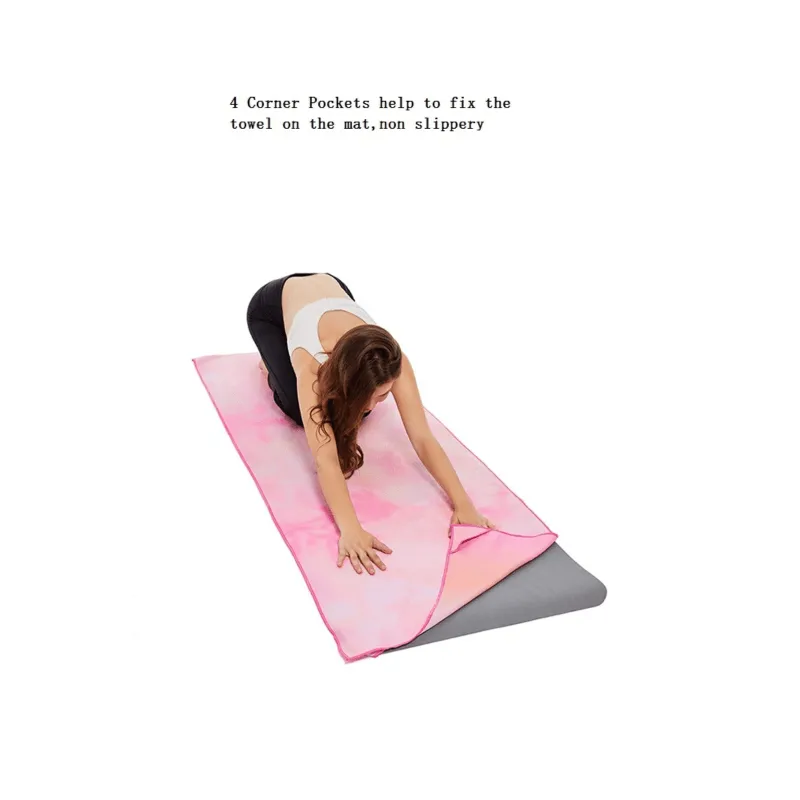
Hot yoga towels have become essential equipment for practitioners who engage in heated yoga sessions, providing crucial benefits that enhance both performance and safety during intense practice. These specialized towels are designed to address the unique challenges that arise when practicing yoga in temperatures ranging from 90 to 105 degrees Fahrenheit, where excessive sweating can compromise grip, stability, and overall hygiene. The importance of hot yoga towels extends beyond simple moisture absorption, as they create a barrier between the practitioner and their mat while delivering superior traction when wet.
The transformative nature of hot yoga practice demands equipment that can adapt to extreme conditions while maintaining functionality throughout extended sessions. Traditional cotton towels often fail to provide adequate grip when saturated with perspiration, leading to dangerous slips and compromised poses. Modern hot yoga towels incorporate advanced materials and construction techniques that actually improve their grip properties when moisture is present, creating a safer and more effective practice environment.
Understanding the science behind these specialized towels reveals why they have become indispensable for serious practitioners. The combination of moisture-wicking properties, antimicrobial treatments, and textured surfaces creates a multi-layered approach to addressing the challenges of heated yoga environments. This comprehensive solution addresses both immediate safety concerns and long-term hygiene considerations that are paramount in shared studio spaces.
Enhanced Grip Technology in Hot Yoga Towels
Microfiber Construction and Surface Design
The foundation of superior grip in hot yoga towels lies in their specialized microfiber construction, which creates thousands of microscopic loops that increase surface area and friction. These ultra-fine synthetic fibers are engineered to be significantly thinner than human hair, allowing them to create a dense, textured surface that enhances traction even when completely saturated. The unique weave pattern in quality hot yoga towels maximizes contact points between the user's skin and the towel surface.
Advanced manufacturing techniques create varied pile heights across the towel surface, with some areas featuring longer fibers for moisture absorption and others maintaining shorter, denser fibers for optimal grip. This strategic variation allows practitioners to position their hands and feet on areas specifically designed for maximum traction during challenging poses. The microfiber technology also ensures that grip improves rather than deteriorates as moisture levels increase.
Surface texturing through specialized weaving and finishing processes creates additional grip enhancement that distinguishes premium hot yoga towels from standard alternatives. These textural elements are strategically placed to correspond with common hand and foot placement patterns used in popular yoga sequences, providing targeted grip zones where they are needed most.
Moisture-Activated Grip Mechanisms
The revolutionary aspect of modern hot yoga towels is their ability to actually improve grip performance as moisture levels increase, contrary to traditional materials that become slippery when wet. This moisture-activated grip technology utilizes hydrophilic properties that cause the fibers to swell slightly when exposed to water or perspiration, creating a more pronounced texture and increased surface friction.
Chemical treatments applied during manufacturing enhance this moisture-responsive behavior, ensuring that hot yoga towels maintain consistent traction throughout even the most intense practice sessions. These treatments work at the molecular level to modify fiber behavior, creating a grippy feel that intensifies rather than diminishes with increased perspiration.
The physics behind this moisture activation involves capillary action and surface tension modifications that occur when water interacts with the specially treated fibers. As perspiration is absorbed into the towel structure, it creates micro-channels and surface irregularities that provide additional grip points for hands and feet, explaining why experienced practitioners often spray their hot yoga towels with water before beginning their practice.
Comprehensive Hygiene Protection Systems
Antimicrobial Treatment Technologies
Modern hot yoga towels incorporate sophisticated antimicrobial treatment systems that provide ongoing protection against bacteria, fungi, and odor-causing microorganisms throughout their lifespan. These treatments utilize silver ion technology, copper-infused fibers, or advanced polymer systems that create hostile environments for microbial growth while remaining safe for human contact.
The antimicrobial properties are particularly crucial in hot yoga environments where elevated temperatures and humidity create ideal conditions for bacterial proliferation. Quality hot yoga towels maintain their antimicrobial effectiveness through multiple wash cycles, providing long-term hygiene protection that extends far beyond the initial purchase. This durability is achieved through molecular bonding techniques that integrate antimicrobial agents directly into the fiber structure rather than applying them as surface coatings.
Laboratory testing demonstrates that treated hot yoga towels can reduce bacterial populations by up to 99.9% within hours of exposure, creating a significantly more hygienic practice surface compared to untreated alternatives. This level of protection is especially important in studio settings where multiple practitioners may use the same space throughout the day, potentially exposing equipment to various pathogens.
Moisture Management and Quick-Dry Properties
Effective moisture management in hot yoga towels involves a complex system of absorption, wicking, and evaporation that keeps the practice surface relatively dry while managing the substantial perspiration produced during heated sessions. Advanced fiber engineering creates channels that rapidly transport moisture away from the contact surface while distributing it throughout the towel structure for faster evaporation.
The quick-dry capabilities of premium hot yoga towels stem from their optimized surface-area-to-volume ratio and strategic fiber orientation that promotes air circulation through the material. These properties ensure that hot yoga towels dry completely between uses, preventing the accumulation of moisture that could lead to bacterial growth or unpleasant odors.
Moisture-wicking technology works continuously throughout practice sessions, pulling perspiration away from the skin and preventing the formation of slippery wet spots that could compromise safety. This ongoing moisture management maintains consistent grip and comfort levels even during the most challenging sequences in heated environments.
Performance Benefits During Intense Practice
Stability and Safety Enhancement
The stability provided by quality hot yoga towels extends beyond simple grip improvement to encompass overall safety enhancement during challenging poses and transitions. The consistent traction surface eliminates the unpredictability associated with wet yoga mats, allowing practitioners to focus on proper alignment and technique rather than worrying about slipping.
Hot yoga towels create a standardized practice surface that remains consistent regardless of how much perspiration is produced during the session. This reliability is particularly important for advanced practitioners who perform complex balancing poses or rapid transition sequences that require absolute confidence in their footing and hand placement.
The injury prevention benefits of using appropriate hot yoga towels cannot be overstated, as slips and falls during heated practice sessions can result in serious injuries due to the combination of elevated temperatures, intense physical exertion, and reduced reaction times. The superior grip provided by these specialized towels significantly reduces the risk of accidents while enabling practitioners to push their limits safely.
Temperature Regulation and Comfort
Beyond grip and hygiene benefits, hot yoga towels contribute to temperature regulation and overall comfort during intense practice sessions through their thermal properties and moisture management capabilities. The materials used in quality hot yoga towels help moderate skin temperature by facilitating efficient heat transfer and evaporation while providing a more comfortable contact surface than bare yoga mats.
The insulating properties of microfiber hot yoga towels create a buffer between practitioners and potentially overheated mat surfaces, preventing burns or discomfort that could distract from proper technique and focus. This thermal protection is especially important during floor sequences where extended skin contact with hot surfaces could become problematic.
Comfort enhancement extends to the tactile experience of practicing on hot yoga towels, which provide a softer, more pleasant surface texture compared to synthetic yoga mats. This improved comfort level allows practitioners to hold poses longer and maintain better focus throughout their sessions, ultimately leading to more effective practice results.
Material Science and Construction Quality
Fiber Selection and Engineering
The selection and engineering of fibers used in premium hot yoga towels represents a sophisticated balance of multiple performance requirements including grip, absorption, durability, and antimicrobial properties. Manufacturers utilize various synthetic fiber blends that have been specifically developed for high-performance athletic applications, often incorporating recycled materials for environmental sustainability.
Fiber denier measurements and cross-sectional shapes are carefully optimized to achieve the desired combination of softness and functionality, with many hot yoga towels featuring multi-denier construction that varies across different zones of the towel. This engineering approach allows manufacturers to customize performance characteristics for specific areas while maintaining overall structural integrity.
The molecular structure of synthetic fibers used in hot yoga towels is modified through various treatments that enhance their hydrophilic properties while maintaining strength and elasticity. These modifications occur at the polymer level during fiber production, ensuring that performance enhancements are permanent rather than temporary surface treatments that may wash away over time.
Edge Construction and Durability Features
Professional-grade hot yoga towels incorporate reinforced edge construction techniques that prevent fraying and maintain structural integrity through hundreds of wash cycles and intensive use. These edge finishing methods include ultrasonic welding, double-fold hemming, and specialized binding techniques that distribute stress evenly across seam areas.
Durability testing protocols for quality hot yoga towels include repeated stretch tests, abrasion resistance evaluations, and accelerated aging procedures that simulate years of regular use. Manufacturers of premium products typically guarantee their hot yoga towels for specific numbers of wash cycles or usage periods, reflecting confidence in their construction quality.
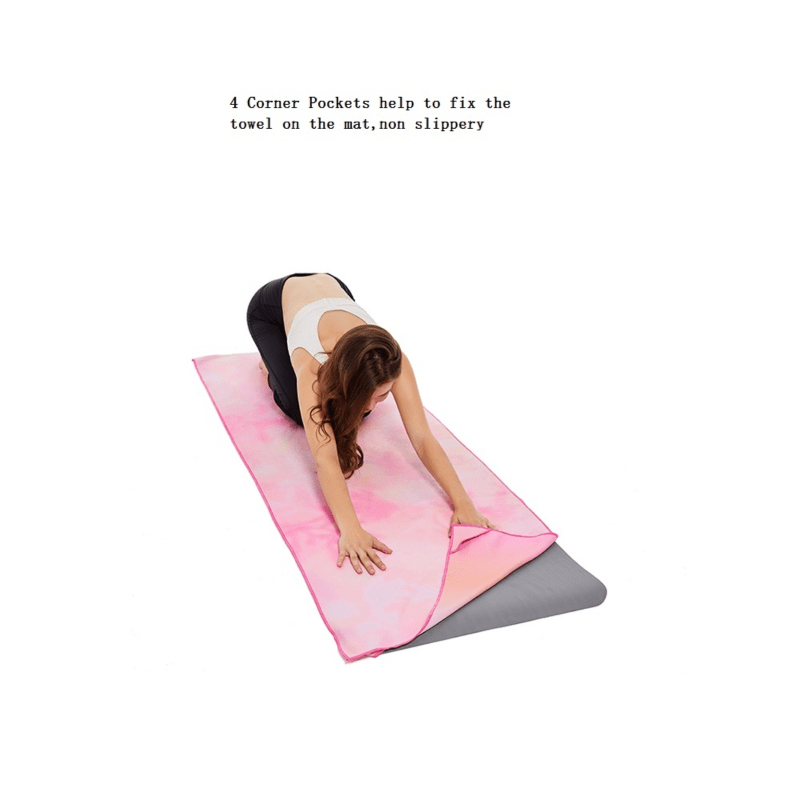
The corner and edge reinforcement systems used in superior hot yoga towels also contribute to their functionality by maintaining flat positioning during use and preventing bunching or curling that could create safety hazards. These construction details may seem minor but significantly impact the overall user experience and safety profile of the product.
Maintenance and Longevity Considerations
Proper Care and Washing Protocols
Maintaining the performance characteristics of hot yoga towels requires understanding and following specific care protocols that preserve their grip, antimicrobial, and moisture-wicking properties throughout their operational lifespan. Proper washing techniques involve using appropriate temperatures, detergent types, and drying methods that support rather than compromise the towel's engineered features.
The use of fabric softeners and certain detergent additives can significantly reduce the grip performance of hot yoga towels by coating the fibers with substances that interfere with their moisture-activated traction properties. Manufacturers typically provide detailed care instructions that specify compatible cleaning products and methods that maintain optimal performance levels.
Frequency of washing and proper storage between uses also impact the longevity and effectiveness of hot yoga towels, with many experts recommending immediate washing after each use to prevent bacterial accumulation and odor development. Proper air drying techniques help maintain fiber integrity while ensuring complete moisture removal that prevents mold or mildew formation.
Performance Monitoring and Replacement Indicators
Recognizing when hot yoga towels have reached the end of their effective lifespan involves monitoring several performance indicators including grip degradation, odor retention, and structural wear patterns. Quality towels should maintain consistent grip performance for hundreds of uses when properly maintained, with gradual performance decline serving as a replacement indicator.
Visual inspection for fiber wear, edge fraying, and color fading provides additional information about towel condition and remaining useful life. Hot yoga towels that begin showing significant wear patterns or lose their ability to provide adequate grip should be retired from active use to maintain safety standards during practice.
The antimicrobial effectiveness of treated hot yoga towels may diminish over time even when grip and absorption properties remain adequate, making it important to monitor for any persistent odor issues that could indicate compromised hygiene protection. Regular replacement schedules help ensure consistent performance and hygiene standards for serious practitioners.
FAQ
How often should hot yoga towels be washed after use
Hot yoga towels should be washed immediately after each use to prevent bacterial growth and maintain optimal hygiene standards. The combination of moisture, warmth, and organic matter from perspiration creates ideal conditions for microbial proliferation, making prompt cleaning essential. Allowing hot yoga towels to sit unwashed for extended periods can lead to persistent odor issues and potential degradation of antimicrobial treatments, even in towels with advanced protective features.
Can regular bath towels be substituted for specialized hot yoga towels
Regular bath towels are not suitable substitutes for specialized hot yoga towels due to fundamental differences in material composition, grip properties, and moisture management capabilities. Standard cotton towels become slippery when wet and lack the moisture-activated grip technology that makes hot yoga towels safe and effective during intense practice sessions. Additionally, regular towels typically lack antimicrobial treatments and quick-dry properties that are essential for maintaining hygiene in heated yoga environments.
What size hot yoga towel is most appropriate for standard yoga mats
The optimal size for hot yoga towels is typically 24 inches by 68 inches, which provides complete coverage for standard yoga mats while allowing slight overhang for secure positioning. This sizing ensures that practitioners have adequate coverage for all poses while preventing the towel from bunching or shifting during practice. Some practitioners prefer slightly larger towels for additional coverage, but oversized options may create handling difficulties and storage challenges.
Do hot yoga towels work effectively for other forms of exercise
Hot yoga towels are highly effective for various forms of high-intensity exercise including Pilates, barre classes, and general fitness activities where perspiration and grip are concerns. Their moisture-activated grip properties and antimicrobial treatments make them suitable for any activity involving significant sweating and close body contact with equipment. However, their specialized design and higher cost compared to standard exercise towels make them most cost-effective for practitioners who regularly engage in heated or particularly intense workout sessions.