
 EN
EN
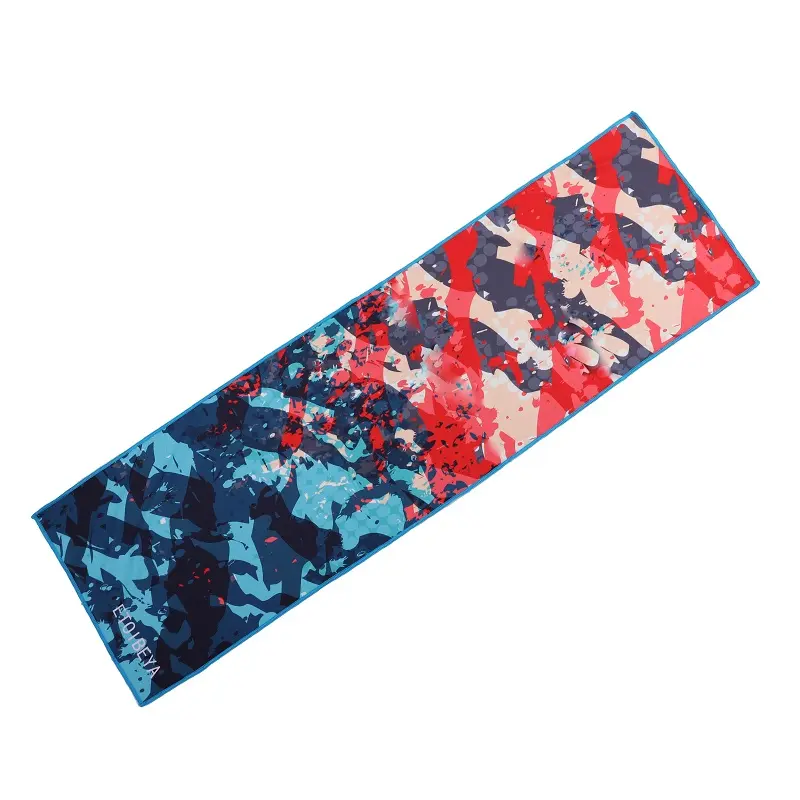
Modern travelers and sports enthusiasts demand high-performance gear that adapts to their active lifestyles. Quick dry beach towels have revolutionized how we approach outdoor activities, combining advanced material science with practical functionality. These innovative textiles offer superior moisture absorption and rapid drying capabilities, making them indispensable for beach trips, gym sessions, camping adventures, and competitive sports. Understanding the specific materials that make these towels exceptional helps consumers make informed decisions while appreciating the technology behind their favorite travel accessories.
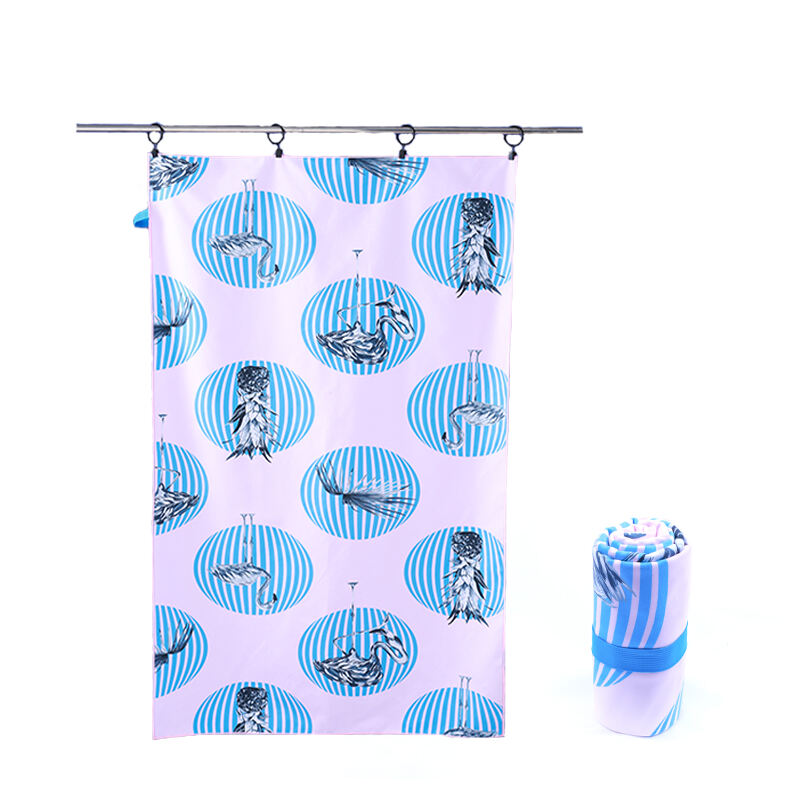
Microfiber Technology in Quick Dry Beach Towels
Synthetic Fiber Composition
Microfiber stands as the cornerstone material in premium quick dry beach towels, engineered from ultra-fine synthetic fibers typically composed of polyester and polyamide blends. These fibers measure less than one denier in thickness, creating an incredibly dense weaving structure that maximizes surface area for water absorption. The synthetic nature of microfiber eliminates the natural limitations found in cotton, allowing manufacturers to precisely control fiber properties for optimal performance. Each individual microfiber strand can absorb up to seven times its weight in water while maintaining structural integrity.
The manufacturing process involves splitting larger synthetic fibers into microscopic strands, creating a complex network of capillary channels that facilitate rapid moisture wicking. This intricate fiber architecture enables quick dry beach towels to pull moisture away from skin surfaces efficiently while distributing it across the towel's entire surface area. The result is faster evaporation rates compared to traditional cotton towels, making these products ideal for consecutive uses during extended outdoor activities.
Polyester Advantages
Polyester forms the primary component in most high-quality quick dry beach towels due to its exceptional durability and hydrophobic properties. This synthetic polymer resists moisture absorption at the molecular level, instead channeling water through its fiber structure for rapid surface evaporation. Polyester's inherent strength ensures these towels maintain their shape and performance characteristics through hundreds of wash cycles, making them cost-effective investments for frequent travelers and athletes.
The chemical stability of polyester provides additional benefits for outdoor use, including resistance to UV degradation, chlorine damage, and salt water corrosion. These properties make polyester-based quick dry beach towels particularly suitable for marine environments where traditional materials would deteriorate rapidly. Furthermore, polyester's low surface energy prevents bacterial growth and odor retention, maintaining hygiene standards during extended use periods.
Advanced Fabric Treatments and Coatings
Antimicrobial Treatments
Modern quick dry beach towels often incorporate antimicrobial treatments that inhibit bacterial and fungal growth, essential for maintaining hygiene during travel and sports activities. Silver ion technology represents one of the most effective approaches, embedding microscopic silver particles into fiber structures during manufacturing. These treatments create an inhospitable environment for microorganisms while remaining safe for human skin contact. The antimicrobial properties persist through multiple washing cycles, providing long-term protection against odor-causing bacteria.
Zinc-based treatments offer another effective antimicrobial solution commonly found in premium quick dry beach towels. These treatments work by disrupting bacterial cell walls and preventing reproduction, maintaining freshness even in humid conditions. The integration of antimicrobial technology transforms these towels into self-sanitizing products, reducing the need for frequent washing while extending their usable lifespan during extended travel periods or camping expeditions.
Water-Repellent Finishes
Specialized water-repellent finishes enhance the performance of quick dry beach towels by creating micro-barriers that accelerate moisture shedding. Fluorocarbon-free treatments have gained popularity due to environmental concerns, utilizing silicone-based compounds that provide effective water resistance without harmful chemicals. These finishes coat individual fibers with invisible barriers that cause water droplets to bead and roll off surfaces rather than being absorbed into the fabric matrix.
The application of water-repellent treatments requires precise control during manufacturing to maintain the towel's absorbent properties while enhancing drying speed. Modern treatments achieve this balance by creating selective permeability, allowing moisture vapor to escape while preventing liquid water penetration. This dual functionality makes treated quick dry beach towels exceptionally versatile for various outdoor activities where both absorption and rapid drying are required.
Innovative Fiber Blends and Composites
Polyamide Integration
Polyamide fibers, commonly known as nylon, are frequently blended with polyester in quick dry beach towels to enhance softness and durability. This synthetic material contributes superior tensile strength and elasticity, allowing towels to withstand the rigorous demands of travel and sports use. Polyamide's molecular structure creates a smoother fiber surface that feels comfortable against skin while maintaining the quick-drying properties essential for performance applications.
The inclusion of polyamide in fiber blends also improves the towel's ability to maintain its original texture and appearance over time. Unlike natural fibers that can become rough or matted with repeated use, polyamide maintains its smooth characteristics while contributing to the overall moisture management system. This durability factor makes polyamide-enhanced quick dry beach towels excellent investments for athletes and frequent travelers who require consistent performance from their gear.
Modal and Bamboo Fiber Additions
Some manufacturers incorporate modal and bamboo fibers into quick dry beach towels to enhance comfort and add natural antimicrobial properties. Modal, derived from beech trees, provides exceptional softness and color retention while maintaining quick-drying characteristics. These semi-synthetic fibers absorb moisture efficiently and release it rapidly, contributing to the overall performance of the towel system. The addition of modal creates a more luxurious feel without compromising the technical performance that makes these towels superior to traditional alternatives.
Bamboo fibers bring natural antimicrobial properties and enhanced breathability to quick dry beach towels. The cellular structure of bamboo naturally resists bacterial growth while providing excellent moisture wicking capabilities. When blended with synthetic microfibers, bamboo creates hybrid towels that combine the best aspects of natural and synthetic materials. These composite towels offer improved comfort for extended skin contact while maintaining the rapid drying performance essential for travel and sports applications.
Performance Characteristics and User Benefits
Absorption Capacity and Rate
The superior absorption capabilities of quick dry beach towels stem from their advanced fiber architecture and material composition. High-quality microfiber towels can absorb between 300% to 800% of their weight in water, significantly outperforming traditional cotton towels. This exceptional absorption capacity allows users to dry themselves completely with smaller, more portable towels, making them ideal for travel scenarios where space and weight limitations are critical factors.
The absorption rate of these towels is equally impressive, with premium quick dry beach towels capable of removing moisture from skin surfaces within seconds of contact. The microscopic fiber structure creates thousands of tiny channels that pull water away from the body through capillary action, distributing moisture across the towel's surface for rapid evaporation. This immediate absorption prevents the clammy feeling often associated with wet cotton towels, providing instant comfort and improved user experience.
Drying Speed and Efficiency
The hallmark characteristic of quick dry beach towels lies in their remarkable drying speed, typically achieving complete dryness within 30 minutes to 2 hours depending on environmental conditions. This rapid drying results from the synthetic fibers' low moisture retention properties and the towel's ability to spread absorbed water across maximum surface area. The increased surface area created by microfiber construction accelerates evaporation through enhanced air circulation around wetted fiber surfaces.
Environmental factors such as temperature, humidity, and air circulation significantly influence drying times, but quick dry beach towels consistently outperform traditional alternatives across all conditions. In optimal conditions with good air circulation and low humidity, these towels can dry completely within 15-30 minutes, allowing for multiple uses throughout a single day. This efficiency makes them invaluable for activities such as surfing, where multiple sessions require fresh, dry towels between uses.
Durability and Maintenance Considerations
Washing and Care Requirements
Proper maintenance of quick dry beach towels ensures optimal performance and longevity, with most high-quality products designed to withstand hundreds of wash cycles without performance degradation. Machine washing in cold to warm water with mild detergents preserves the fiber structure and any applied treatments such as antimicrobial coatings. Avoiding fabric softeners is crucial as these products can coat microfibers and reduce their absorption capabilities, ultimately compromising the towel's primary function.
Air drying represents the preferred method for maintaining quick dry beach towels, though most can tolerate low-heat tumble drying when necessary. The synthetic materials used in these towels are naturally resistant to shrinkage and color fading, making them low-maintenance travel companions. Regular washing actually helps maintain the towel's performance by removing accumulated oils, lotions, and debris that could interfere with moisture absorption and drying efficiency.
Longevity and Performance Retention
High-quality quick dry beach towels demonstrate exceptional longevity when properly maintained, often retaining their performance characteristics for several years of regular use. The synthetic fiber construction resists common forms of degradation that affect natural fiber towels, including fiber breakdown from repeated washing and UV exposure. This durability makes them economical choices for frequent travelers and athletes who require reliable performance from their equipment.
Performance retention in quick dry beach towels relates directly to the quality of materials and manufacturing processes used in their construction. Premium products maintain consistent absorption rates and drying speeds throughout their lifespan, while lower-quality alternatives may experience gradual performance decline. Investing in well-constructed quick dry beach towels from reputable manufacturers ensures consistent performance and represents better long-term value for active users.
Environmental and Sustainability Aspects
Eco-Friendly Material Options
The textile industry has responded to environmental concerns by developing more sustainable options for quick dry beach towels using recycled materials and eco-friendly manufacturing processes. Recycled polyester derived from plastic bottles offers similar performance characteristics to virgin polyester while reducing environmental impact. These recycled materials undergo extensive processing to achieve the microfiber structure necessary for optimal absorption and drying performance, proving that sustainability and functionality can coexist in modern textile applications.
Some manufacturers have introduced bio-based synthetic fibers that maintain the performance characteristics of traditional quick dry beach towels while utilizing renewable resources. These innovations demonstrate the industry's commitment to reducing environmental impact without compromising the technical performance that makes these towels superior to traditional alternatives. As technology advances, we can expect continued development of environmentally conscious materials that meet the demanding requirements of travel and sports applications.
Lifecycle and Disposal Considerations
The extended lifespan of quality quick dry beach towels contributes positively to their environmental profile by reducing the frequency of replacement purchases. Unlike cotton towels that may require replacement every few years due to wear and performance degradation, well-made synthetic towels can provide consistent service for many years. This longevity reduces overall consumption and waste generation, making them environmentally responsible choices for conscious consumers.
End-of-life disposal of quick dry beach towels presents both challenges and opportunities for environmental responsibility. While synthetic materials are not biodegradable, many can be recycled into new products through specialized textile recycling programs. Some manufacturers offer take-back programs for worn-out towels, ensuring proper recycling and reducing landfill waste. As circular economy principles gain adoption in the textile industry, we can expect improved recycling options for these performance products.
FAQ
How do quick dry beach towels compare to traditional cotton towels in terms of absorption
Quick dry beach towels significantly outperform traditional cotton towels in both absorption capacity and speed. While cotton towels typically absorb 200-300% of their weight in water, high-quality microfiber quick dry beach towels can absorb 300-800% of their weight. Additionally, the microfiber structure pulls moisture away from skin more rapidly through capillary action, providing immediate comfort compared to cotton's slower absorption rate. The synthetic fibers also distribute absorbed moisture more evenly across the towel surface, facilitating faster evaporation.
Can quick dry beach towels maintain their antimicrobial properties after repeated washing
Yes, quality quick dry beach towels with integrated antimicrobial treatments are designed to maintain their bacteria-resistant properties through hundreds of wash cycles. Silver ion and zinc-based treatments are chemically bonded to the fiber structure during manufacturing, making them highly durable against normal washing and use. However, the longevity of antimicrobial effectiveness depends on the quality of the treatment and proper care. Using harsh detergents or fabric softeners can potentially reduce the effectiveness of these treatments over time.
What makes microfiber quick dry beach towels more suitable for travel than other materials
Microfiber quick dry beach towels excel for travel due to their compact size, lightweight nature, and superior performance characteristics. These towels pack smaller than equivalent cotton towels while providing better absorption capacity. Their rapid drying time of 30 minutes to 2 hours prevents the growth of bacteria and mildew that can occur with damp cotton towels during travel. The synthetic materials are also more resistant to odors and maintain their performance in various environmental conditions encountered during travel.
Are there any specific care instructions that help maintain the performance of quick dry beach towels
Maintaining optimal performance in quick dry beach towels requires avoiding fabric softeners, which can coat microfibers and reduce absorption capacity. Wash in cold to warm water with mild detergent, and air dry when possible to preserve fiber structure and any applied treatments. Avoid bleach and high heat drying, which can damage synthetic fibers. Regular washing actually helps maintain performance by removing accumulated oils and debris. Store completely dry to prevent bacterial growth and maintain the towel's fresh condition.
Table of Contents
- Microfiber Technology in Quick Dry Beach Towels
- Advanced Fabric Treatments and Coatings
- Innovative Fiber Blends and Composites
- Performance Characteristics and User Benefits
- Durability and Maintenance Considerations
- Environmental and Sustainability Aspects
-
FAQ
- How do quick dry beach towels compare to traditional cotton towels in terms of absorption
- Can quick dry beach towels maintain their antimicrobial properties after repeated washing
- What makes microfiber quick dry beach towels more suitable for travel than other materials
- Are there any specific care instructions that help maintain the performance of quick dry beach towels