
 EN
EN
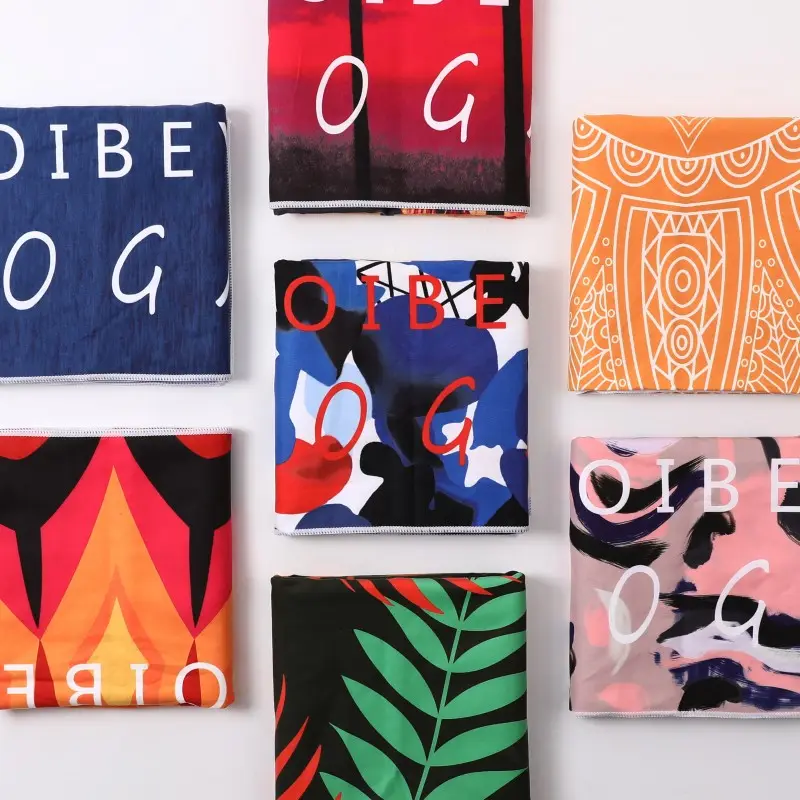
Modern outdoor enthusiasts understand that every ounce matters when packing for adventures. Travel towels have revolutionized the way backpackers and campers approach personal hygiene and comfort during extended outdoor excursions. These specialized textiles offer remarkable foldability features that distinguish them from conventional bathroom towels, making them essential gear for space-conscious travelers who refuse to compromise on functionality.
The engineering behind foldable travel towels involves sophisticated textile technologies that maximize compressibility without sacrificing performance. Unlike traditional cotton towels that retain bulk even when folded, travel towels utilize microfiber compositions and specialized weaving techniques that allow them to compress to fraction of their expanded size. This compression capability directly addresses the primary challenge faced by outdoor adventurers: limited storage space in backpacks and camping gear.
Weight reduction represents another critical advantage of foldable travel towels. Standard bath towels can weigh between 1.5 to 3 pounds when dry, becoming significantly heavier when wet. In contrast, quality travel towels typically weigh between 3 to 12 ounces while providing comparable surface area coverage. This dramatic weight difference becomes crucial during multi-day hiking expeditions where every additional pound affects endurance and comfort levels.

Advanced Microfiber Technology in Travel Towels
Compression Ratios and Space Efficiency
The foldability of travel towels stems from their unique fiber construction, which allows compression ratios reaching 10:1 or higher. These towels can fold down to sizes smaller than paperback books while maintaining their original dimensions when unfolded. The secret lies in the microfiber technology that creates ultra-thin synthetic fibers, typically measuring less than one denier in thickness. This microscopic fiber diameter enables tight weaving patterns that compress efficiently without creating permanent creases or structural damage.
Professional outdoor gear manufacturers have developed proprietary folding techniques that maximize space efficiency. Some travel towels feature built-in fold lines or compression sacks that guide users toward optimal packing configurations. These design elements ensure consistent compression results and prevent improper folding that might compromise the towel's longevity or performance characteristics.
Durability Under Compression Stress
Repeated folding and compression cycles test the structural integrity of travel towels. High-quality models undergo extensive testing to ensure they maintain their foldability features throughout hundreds of compression cycles. The synthetic fibers used in premium travel towels demonstrate superior resilience compared to natural fibers, resisting wear patterns that typically develop at fold points.
Manufacturing processes now incorporate reinforcement techniques at critical stress points where folding occurs most frequently. These reinforcements prevent premature wear while maintaining the towel's ability to achieve maximum compression. Advanced synthetic blends also resist the formation of permanent creases that could indicate structural weakness or reduced functionality over time.
Quick-Dry Properties Enhancing Packability
Moisture Management Systems
The foldability advantages of travel towels become most apparent when considering their moisture management capabilities. Traditional towels require extended drying periods before safe packing, often forcing travelers to carry damp textiles that increase pack weight and create unpleasant odors. Travel towels address this challenge through engineered moisture-wicking properties that accelerate evaporation rates significantly.
Microfiber construction creates countless microscopic channels that facilitate rapid moisture transfer from the towel's surface to the surrounding air. This capillary action, combined with increased surface area created by the fine fiber structure, enables travel towels to dry up to five times faster than conventional cotton alternatives. Faster drying times mean travelers can pack their towels shortly after use without concerns about mildew or bacterial growth.
Temperature and Humidity Adaptability
Travel towels maintain their quick-dry properties across varying environmental conditions that outdoor enthusiasts encounter. Whether camping in humid coastal regions or dry mountain climates, these specialized textiles adapt their moisture release rates to optimize drying performance. This adaptability proves crucial for maintaining the towel's foldability features, as excess moisture retention would compromise compression capabilities and increase pack weight.
Advanced travel towels incorporate moisture-sensing technologies that indicate optimal packing readiness through color changes or tactile feedback. These innovations eliminate guesswork about whether the towel has achieved sufficient dryness for safe compression and storage. Such features prove particularly valuable during time-sensitive packing situations or in challenging weather conditions where visual moisture assessment becomes difficult.
Size Optimization and Multi-Functionality
Scalable Dimensions for Various Applications
Modern travel towels offer multiple size options while maintaining consistent foldability characteristics across their entire product range. Compact versions measuring 12x24 inches provide adequate coverage for face and hand drying while folding to pocket-sized dimensions. Medium options at 16x32 inches serve most body drying needs while remaining highly packable. Large travel towels reaching 30x60 inches offer full-body coverage comparable to standard bath towels yet compress to sizes suitable for backpack storage.
The scalability of travel towels allows outdoor enthusiasts to select appropriate sizes based on specific trip requirements without sacrificing foldability benefits. Solo backpackers might choose compact versions to minimize weight, while family camping groups could opt for larger sizes that provide better coverage while still maintaining space efficiency compared to traditional towels.
Versatile Usage Applications
Beyond basic drying functions, foldable travel towels serve multiple purposes that enhance their value for outdoor adventures. Their compact folded size makes them suitable as improvised pillows, ground covers, or equipment protection during sudden weather changes. The quick-dry properties and antimicrobial treatments common in travel towels also make them suitable for food preparation surfaces or clean-up applications around campsites.
Some travel towels feature corner loops or snap attachments that enable creative applications such as privacy screens, equipment covers, or makeshift clotheslines. These additional features expand functionality without compromising the core foldability advantages that make travel towels attractive to space-conscious outdoor enthusiasts. The versatility factor often justifies the higher cost compared to conventional towels by providing multiple utility functions within a single compact package.
Material Innovation and Environmental Considerations
Sustainable Synthetic Alternatives
Environmental consciousness increasingly influences travel towel design and manufacturing processes. Leading manufacturers now utilize recycled synthetic materials that maintain the foldability and performance characteristics essential for outdoor applications while reducing environmental impact. These sustainable alternatives demonstrate that eco-friendly practices need not compromise the functional advantages that make travel towels superior to traditional options.
Biodegradable treatments and natural antimicrobial agents replace harsh chemicals previously used in travel towel production. These innovations ensure that the environmental benefits extend beyond material sourcing to include end-of-life disposal considerations. Sustainable travel towels maintain their foldability features while supporting responsible outdoor recreation practices that preserve natural environments for future generations.
Longevity and Replacement Cycles
The durability of quality travel towels extends their useful life significantly beyond traditional towel replacement cycles. Proper care and storage practices can maintain foldability characteristics for years of regular outdoor use. This longevity reduces the frequency of replacements, offsetting higher initial costs while reducing waste generation associated with frequent towel replacement.
Manufacturers increasingly offer repair services or replacement programs that extend product lifecycles further. These initiatives recognize that travel towels represent long-term investments for serious outdoor enthusiasts who depend on their gear's reliability across multiple seasons and diverse environmental conditions. The combination of durability and repairability supports sustainable consumption patterns while ensuring consistent performance of foldability features over extended periods.
Comparative Analysis with Traditional Towels
Space Efficiency Measurements
Quantitative comparisons reveal the dramatic space savings achieved through travel towel foldability features. A standard bath towel measuring 27x52 inches occupies approximately 350 cubic inches when properly folded using traditional techniques. An equivalent coverage travel towel typically compresses to 50-80 cubic inches, representing space savings exceeding 75 percent. These measurements translate directly to increased storage capacity for other essential gear in weight and space-limited packing situations.
Professional outdoor guides and expedition leaders consistently cite space efficiency as the primary factor driving travel towel adoption. The ability to carry multiple towels in the space previously required for a single conventional towel enables better hygiene maintenance during extended outdoor adventures. This space efficiency proves particularly valuable for international travel where luggage restrictions limit total gear volume.
Performance Trade-offs and Limitations
While travel towels offer substantial advantages in foldability and space efficiency, certain performance trade-offs merit consideration. The synthetic materials that enable superior compression characteristics may feel different against skin compared to natural cotton fibers. Some users report that travel towels require adjustment periods to adapt to different tactile sensations and absorption patterns compared to traditional towels.
The initial cost of quality travel towels exceeds basic cotton alternatives, though this investment typically proves cost-effective over extended periods due to durability advantages. Budget-conscious outdoor enthusiasts should evaluate total cost of ownership including replacement frequency when comparing travel towels to traditional options. The superior foldability and longevity characteristics often justify higher upfront costs through extended service life and enhanced functionality.
Selection Criteria for Optimal Foldability
Fabric Specifications and Testing
Selecting travel towels with optimal foldability characteristics requires evaluation of specific fabric specifications and performance metrics. Denier measurements indicate fiber thickness, with lower numbers corresponding to finer fibers that compress more efficiently. Quality travel towels typically utilize fibers measuring 0.5 to 1.0 denier, creating the microscopic structure necessary for superior foldability while maintaining adequate durability for outdoor applications.
Compression testing results provide objective measures of foldability performance across different products and manufacturers. Standardized testing protocols evaluate compression ratios, recovery times, and structural integrity after repeated folding cycles. These technical specifications enable informed comparisons between travel towel options while ensuring selected products meet specific performance requirements for intended applications.
User Experience Factors
Beyond technical specifications, user experience factors significantly influence the practical benefits derived from travel towel foldability features. Ease of folding affects how quickly travelers can pack their gear, particularly during time-sensitive situations such as breaking camp early or responding to changing weather conditions. Travel towels that fold intuitively without requiring specific techniques or excessive force provide superior user experiences for outdoor enthusiasts.
Storage accessories such as compression sacks or stuff bags enhance the practical benefits of foldable travel towels. These additions protect the towels during transport while maintaining maximum compression. Some manufacturers include custom storage solutions designed specifically for their towel dimensions, ensuring optimal space utilization while providing protection against abrasion or contamination during storage and transport.
FAQ
How much space do travel towels save compared to regular towels
Travel towels typically compress to 70-80% less space than equivalent-sized regular towels. A large travel towel providing full-body coverage can fold down to the size of a small paperback book, while a regular bath towel of similar dimensions would occupy 4-5 times more space even when folded optimally. This space saving proves crucial for backpackers operating under strict weight and volume constraints.
Do travel towels maintain their foldability after repeated use
Quality travel towels maintain their foldability characteristics through hundreds of compression cycles when properly cared for. The synthetic microfiber construction resists permanent deformation that affects natural fiber towels. However, proper folding techniques and storage practices help maximize longevity. Avoiding excessive heat during drying and storing in loose configurations between uses helps preserve the structural integrity necessary for optimal compression.
Can travel towels be machine washed without affecting their folding properties
Most travel towels withstand machine washing without compromising their foldability features. Cold or warm water settings work best, while avoiding fabric softeners that can coat synthetic fibers and reduce absorption capabilities. Air drying or low-heat machine drying maintains the fiber structure necessary for optimal compression. Following manufacturer care instructions ensures travel towels retain their space-saving characteristics throughout their service life.
What size travel towel provides the best balance of coverage and foldability
Medium-sized travel towels measuring 16x32 inches typically provide the optimal balance between coverage and foldability for most outdoor applications. This size offers adequate surface area for body drying while compressing to highly packable dimensions. Larger sizes provide better coverage but sacrifice some compression efficiency, while smaller versions maximize packability but may require multiple towels for complete drying needs.