
 EN
EN
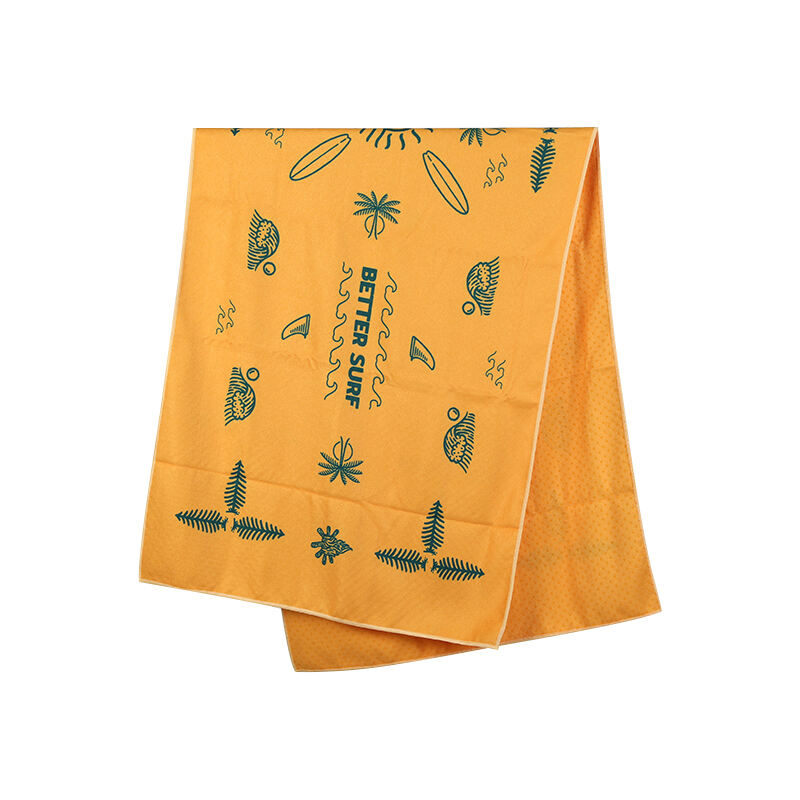
When planning outdoor adventures, experienced backpackers and campers know that every ounce matters in their gear selection. Among the essential items that can significantly impact both comfort and pack weight are travel towels, which have revolutionized how outdoor enthusiasts approach personal hygiene and convenience while exploring remote destinations. These specialized towels offer remarkable space-saving capabilities through innovative folding mechanisms and compression features that make them indispensable for weight-conscious adventurers.
The engineering behind modern travel towels focuses heavily on maximizing functionality while minimizing bulk through advanced folding technologies. Unlike traditional cotton towels that occupy substantial space and retain moisture for extended periods, contemporary travel towels utilize synthetic materials that compress to remarkably small sizes. This transformation occurs through carefully designed fiber structures that allow the fabric to fold repeatedly without compromising its integrity or absorbent properties, making them perfect companions for multi-day expeditions where space optimization is crucial.
Professional outdoor guides consistently recommend travel towels for their clients because these products demonstrate superior performance in challenging environments. The foldability aspect extends beyond simple space savings, incorporating features like corner loops for secure attachment points, reinforced edges that maintain shape after countless folding cycles, and antimicrobial treatments that prevent odor development during extended storage periods. These characteristics ensure that adventurers can maintain hygiene standards without sacrificing precious pack space or adding unnecessary weight to their gear loads.
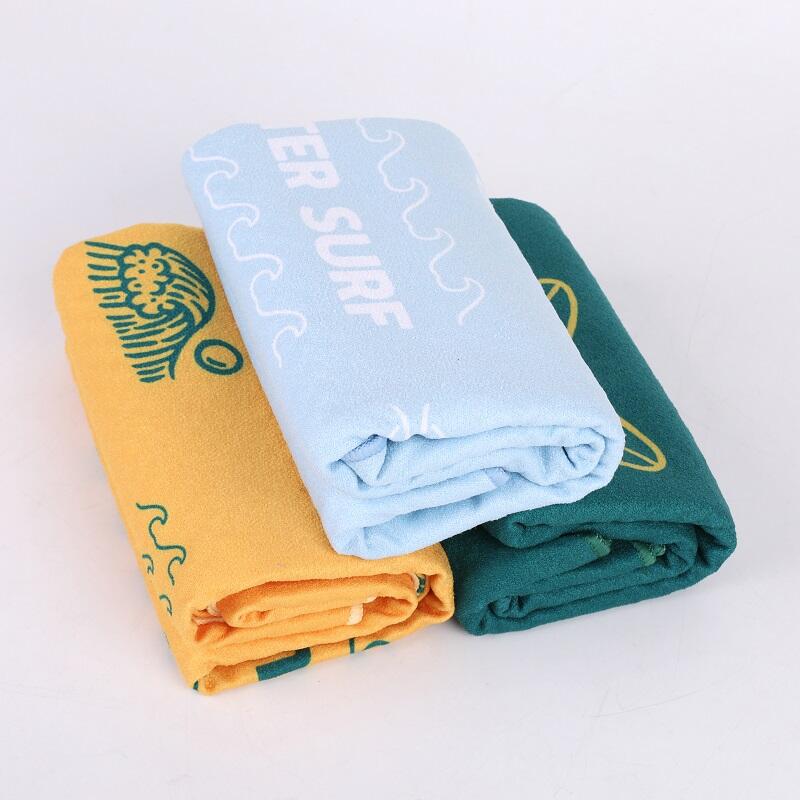
Advanced Compression Technologies in Modern Travel Towels
Microfiber Construction Benefits
The foundation of exceptional foldability in travel towels lies in their microfiber construction, which utilizes synthetic fibers that are significantly thinner than human hair. This microscopic structure creates an enormous surface area within a compact volume, allowing travel towels to absorb multiple times their weight in moisture while maintaining remarkable compressibility. The synthetic nature of these fibers eliminates the bulky cellular structure found in natural cotton, enabling the material to fold into incredibly small packages without creating thick, unwieldy bundles that consume valuable pack space.
Modern microfiber travel towels incorporate split-fiber technology that enhances both absorption capacity and foldability characteristics. This manufacturing process creates millions of tiny hooks and pockets within each fiber, dramatically increasing the surface area available for moisture absorption. When folded, these microscopic structures compress efficiently, allowing travel towels to achieve compression ratios that are impossible with traditional towel materials, making them essential gear for backpackers who must carefully manage every cubic inch of pack space.
Compression Sack Integration
Premium travel towels often include dedicated compression sacks that work in conjunction with the towel's inherent foldability to achieve maximum space efficiency. These specially designed storage systems feature compression straps or drawstring mechanisms that can reduce the towel's packed size by an additional thirty to fifty percent beyond standard folding. The compression process works by eliminating air spaces between folded layers, creating a dense, compact package that fits easily into side pockets or small compartments within backpacking gear.
The integration of compression sacks with travel towels represents a significant advancement in outdoor gear design, as these systems protect the towel from contamination while maintaining its compressed state during transport. Many compression sacks feature mesh panels that allow residual moisture to escape while preventing the accumulation of bacteria or mildew that could compromise the towel's performance. This combination of protection and compression makes travel towels with integrated storage systems particularly valuable for extended expeditions where equipment reliability is paramount.
Space-Saving Design Features
Corner Loop Attachment Systems
Strategic corner loop placement represents one of the most practical foldability features found in quality travel towels, as these attachment points serve multiple functions during both use and storage phases. The loops enable secure hanging for rapid drying, which is essential for maintaining the towel's lightweight characteristics and preventing the development of unpleasant odors. During packing operations, these same loops can be utilized as compression points, allowing users to create tight, secure bundles that maintain their compact form throughout transportation phases.
Professional expedition leaders often emphasize the importance of corner loops when selecting travel towels for their groups, as these features provide multiple packing options that can accommodate different gear organization preferences. The loops can be threaded through carabiners for external pack attachment, incorporated into compression systems for maximum space savings, or used to secure the folded towel to prevent accidental unfolding during transport. This versatility makes corner loop systems invaluable for backpackers who require adaptable solutions for varying expedition conditions.
Reinforced Edge Construction
The edges of high-quality travel towels feature reinforced construction that maintains structural integrity through countless folding and unfolding cycles, ensuring that the towel's foldability characteristics remain consistent throughout its service life. This reinforcement typically involves double-stitched seams or welded edges that prevent fraying and maintain clean fold lines, which are essential for achieving consistent compression results. Without proper edge reinforcement, travel towels gradually develop irregular folding patterns that reduce their space-saving effectiveness and can create bulky, uneven packages.
Edge reinforcement technology in travel towels often incorporates ultrasonic welding techniques that create seamless boundaries without adding bulk or weight to the overall construction. This approach eliminates the traditional stitching that can create thick seams and folding irregularities, allowing the towel to fold more uniformly and achieve better compression ratios. The resulting edges maintain their shape and functionality even after extensive use in challenging outdoor environments, ensuring that the towel's foldability features remain reliable throughout demanding expeditions.
Quick-Dry Properties and Storage Benefits
Moisture Management Technology
The rapid drying capabilities of modern travel towels directly support their foldability advantages by ensuring that moisture does not accumulate within folded layers during storage. Advanced moisture-wicking technologies move water away from the fiber core to surface areas where evaporation occurs more efficiently, preventing the internal moisture retention that could lead to mildew or bacterial growth. This moisture management becomes particularly critical when travel towels must be packed while still slightly damp, a common scenario during fast-paced outdoor activities or inclement weather conditions.
Synthetic fiber construction in travel towels enables moisture to migrate through the material structure more efficiently than natural fibers, allowing water to evaporate even from tightly folded configurations. This characteristic proves invaluable for backpackers who cannot always wait for complete drying before breaking camp, as the towel continues to dry within its compressed storage state. The ability to pack a slightly damp travel towel without compromising its performance or creating hygiene issues represents a significant practical advantage over traditional toweling materials.
Anti-Microbial Treatment Benefits
Many premium travel towels incorporate antimicrobial treatments that prevent bacterial and fungal growth during extended storage periods, which is particularly important when towels remain in folded configurations for days or weeks between uses. These treatments work at the molecular level to inhibit microorganism reproduction, ensuring that travel towels remain hygienic and odor-free even when stored in warm, humid conditions that would typically promote bacterial growth. This feature eliminates the need for frequent washing during extended expeditions, reducing water consumption and time spent on maintenance activities.
The longevity of antimicrobial treatments in travel towels depends on proper care and storage practices, but quality products maintain their protective properties through numerous wash cycles and extended field use. This durability ensures that the foldability benefits of travel towels are not compromised by hygiene concerns, allowing outdoor enthusiasts to maximize space savings without worrying about contamination issues. The peace of mind provided by antimicrobial protection makes travel towels more versatile and reliable for various outdoor applications where traditional hygiene practices may be limited.
Size Variations and Packing Strategies
Ultra-Compact Personal Towels
Ultra-compact travel towels designed for personal use typically measure between twelve and sixteen inches in their unfolded state, yet compress to sizes smaller than a standard smartphone when properly folded and stored. These diminutive dimensions make them ideal for minimalist backpackers who prioritize weight savings over coverage area, particularly during activities like day hiking or ultralight camping where every gram of pack weight requires justification. Despite their small size, quality ultra-compact travel towels provide sufficient absorbency for face and hand cleaning, quick body spot-cleaning, or emergency spill management.
The folding technique for ultra-compact travel towels often involves a specific sequence that maximizes compression while maintaining easy access during use. Professional outdoor instructors teach methods such as the accordion fold combined with rolling techniques that create uniform pressure distribution across the towel's surface, eliminating air pockets that could increase the packed size. These systematic folding approaches enable ultra-compact travel towels to achieve compression ratios that approach ten-to-one, making them virtually unnoticeable additions to any pack configuration.
Full-Body Coverage Options
Larger travel towels designed for full-body coverage typically range from thirty to forty inches in length while still maintaining impressive foldability characteristics through advanced material engineering and construction techniques. These expanded dimensions provide comprehensive coverage for shower activities or full-body drying without significantly increasing packed size compared to traditional towels of similar coverage areas. The engineering challenge involves maintaining structural integrity across larger surface areas while preserving the compression characteristics that make travel towels attractive to weight-conscious adventurers.
Full-size travel towels often incorporate sectional construction techniques that create natural fold lines, making it easier to achieve consistent compression results regardless of the user's folding experience. These engineered fold zones distribute stress evenly across the material, preventing localized wear that could compromise the towel's foldability over time. The sectional approach also enables more versatile packing options, as users can fold the towel to different configurations depending on available space and packing priorities, making these larger travel towels adaptable to various expedition requirements.
Durability and Long-Term Performance
Fabric Fatigue Resistance
Quality travel towels demonstrate exceptional resistance to fabric fatigue, which is the gradual deterioration of material properties that occurs through repeated folding and compression cycles. This resistance stems from carefully selected synthetic fiber blends that maintain their elasticity and structural integrity even after thousands of folding operations, ensuring that the towel's space-saving characteristics remain consistent throughout its service life. Fabric fatigue resistance becomes particularly important for travel towels because they experience far more folding stress than conventional towels, which are typically stored flat or loosely draped.
Advanced manufacturing processes used in premium travel towels include heat-setting treatments that stabilize the fiber structure and reduce the tendency for permanent creasing or dimensional changes that could affect foldability. These treatments create molecular bonds within the synthetic fibers that resist deformation while maintaining the flexibility required for tight compression. The result is a towel that continues to fold efficiently and compress uniformly even after extensive use in demanding outdoor environments where equipment reliability is essential for successful expeditions.
Care and Maintenance Requirements
Proper care and maintenance of travel towels significantly extends their service life while preserving the foldability features that make them valuable for outdoor activities. Regular washing with mild detergents removes accumulated oils, dirt, and bacteria that could compromise the synthetic fibers' performance characteristics, while avoiding fabric softeners that can coat the fibers and reduce their absorbency and compression capabilities. The synthetic construction of travel towels makes them particularly easy to clean and maintain compared to natural fiber alternatives.
Storage practices for travel towels should emphasize complete drying before long-term folding to prevent mildew formation and preserve antimicrobial treatments that protect against bacterial growth. Professional expedition guides recommend rotating between multiple travel towels during extended trips to allow thorough cleaning and drying cycles, which maintains hygiene standards while extending equipment life. These maintenance practices ensure that travel towels continue to provide reliable space-saving performance throughout numerous outdoor adventures.
FAQ
How small can travel towels compress when folded properly
Quality travel towels can compress to remarkably small sizes when folded using proper techniques and compression systems. Ultra-compact personal travel towels typically compress to sizes similar to a deck of cards or small smartphone, measuring approximately four by six inches and less than two inches thick. Full-size travel towels designed for body coverage compress to roughly the size of a paperback book, despite offering coverage areas comparable to standard bath towels. The exact compression ratio depends on the specific material construction and folding technique used.
Do travel towels lose absorbency when folded tightly for long periods
Modern travel towels are engineered to maintain their absorbency characteristics even after extended periods of tight compression and storage. The synthetic microfiber construction used in quality travel towels resists permanent deformation and quickly returns to its original structure when unfolded. However, towels stored in extremely compressed states for months may require a brief shake-out or gentle stretching to restore optimal absorbency. Regular use and proper care practices help maintain the towel's performance characteristics throughout its service life.
What is the best folding technique for maximizing space savings with travel towels
The most effective folding technique for travel towels combines accordion-style folds with rolling compression to eliminate air spaces and create uniform density throughout the folded package. Start by folding the towel lengthwise into thirds, then create small accordion folds across the width before rolling tightly from one end. This technique distributes compression evenly and creates natural fold lines that make the process repeatable. Using the towel's compression sack or securing with rubber bands maintains the compressed state during transport and storage.
How do antimicrobial treatments affect the foldability of travel towels
Antimicrobial treatments applied to travel towels do not significantly impact their foldability characteristics, as these treatments typically involve molecular-level modifications or surface coatings that do not add bulk or stiffness to the material. Quality antimicrobial treatments are designed to maintain the towel's flexibility and compression characteristics while providing protection against bacterial and fungal growth during storage. These treatments actually enhance the practicality of folding travel towels by allowing safe storage in compressed states for extended periods without hygiene concerns.