
 EN
EN
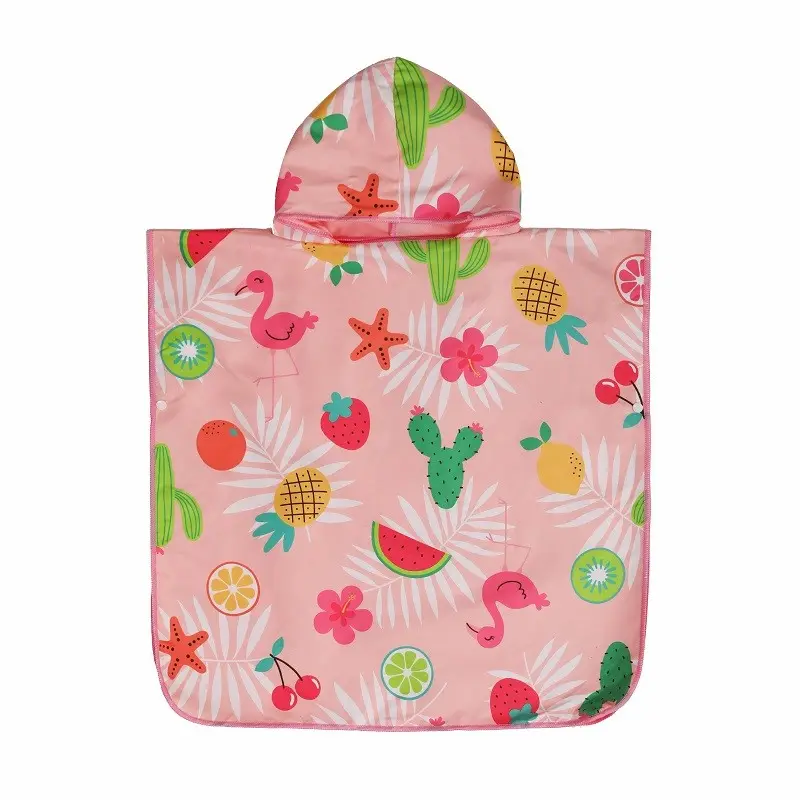
Summer camps present unique challenges for children's outdoor gear, requiring protective clothing that balances functionality with comfort during extended outdoor activities. When selecting kids ponchos for summer camp environments, sizing and style decisions directly impact how well these garments protect children from sudden weather changes while maintaining the mobility and comfort essential for camp activities. The optimization process involves understanding camp-specific requirements, activity patterns, and the practical demands of group outdoor experiences.
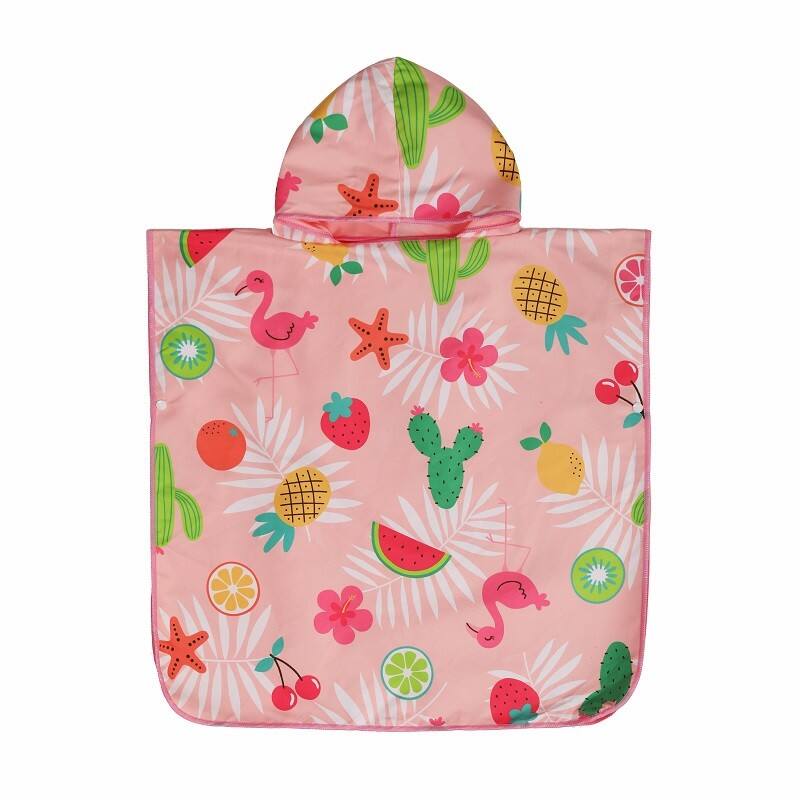
Summer camp environments demand that kids ponchos deliver reliable weather protection without hindering the active, exploratory nature of camp experiences. The optimization of sizing and style choices requires careful consideration of camp-specific factors including activity intensity, group dynamics, storage limitations, and the need for quick deployment during unexpected weather events. Understanding these camp-specific requirements ensures that poncho selections enhance rather than complicate the outdoor adventure experience.
Camp Environment Sizing Considerations
Activity-Based Size Requirements
Summer camp activities demand that kids ponchos accommodate a wide range of physical movements while maintaining protective coverage. The sizing must account for hiking with backpacks, where additional room across the shoulders and back prevents binding and ensures the poncho can effectively cover both child and gear. Camp activities often involve sudden transitions between sitting, standing, reaching, and climbing, requiring poncho dimensions that maintain coverage during these dynamic movements without creating excessive bulk or drag.
The optimal sizing for camp environments typically requires adding 15-20% to standard sizing measurements to accommodate camp gear and the active nature of outdoor programs. This additional room ensures that kids ponchos maintain their protective function even when children wear multiple clothing layers or carry camp equipment. The extra space also prevents the restrictive feeling that can cause children to avoid wearing protective gear when weather conditions warrant its use.
Group Activity Compatibility
Summer camps involve frequent group activities where kids ponchos must allow children to participate safely without creating hazards for themselves or others. The sizing must prevent excessive length that could create tripping hazards during group hiking or create entanglement risks during team activities. Camp counselors need to ensure that poncho sizing allows for quick visual identification of individual children within groups, which requires balancing coverage with visibility considerations.
The group dynamic aspect of camp sizing also considers the practical reality that kids ponchos may need to be shared or redistributed among campers of similar sizes during extended outdoor periods. This sharing compatibility requires sizing that works effectively across a reasonable range of child dimensions within age groups, ensuring that emergency weather protection remains available even when individual assignments become impractical during camp activities.
Style Optimization for Camp Functionality
Deployment Speed and Simplicity
Camp environments frequently require rapid deployment of weather protection, making style choices critical for ensuring kids ponchos can be quickly and correctly worn by children without adult assistance. The style optimization focuses on elimination of complex fastening systems, confusing orientation requirements, or multi-step donning procedures that could delay protection during sudden weather changes. Simple over-the-head designs with clear front and back identification enable children to achieve proper coverage quickly and independently.
The style elements that optimize deployment speed include clearly marked front panels, intuitive arm opening designs, and elimination of small parts that could be lost or mishandled in outdoor camp settings. Kids ponchos designed for camp use benefit from high-contrast visual cues that help children identify proper orientation even in low-light conditions or during the stress of sudden weather changes. These design elements reduce the cognitive load on young campers while ensuring reliable protection deployment.
Durability-Focused Style Elements
Summer camp environments subject kids ponchos to intensive use patterns that require style choices emphasizing durability over decorative elements. The optimization process prioritizes reinforcement at high-stress points including arm openings, hood attachments, and hem areas where camp activities create the greatest wear potential. Style elements that could snag on camp environment obstacles including branches, rough surfaces, or camp equipment must be minimized or eliminated entirely.
The durability optimization also considers the cleaning and maintenance requirements inherent in camp environments, where kids ponchos may encounter mud, food, campfire smoke, and other substances requiring frequent cleaning. Style choices that facilitate easy cleaning, quick drying, and minimal maintenance ensure that protective gear remains functional throughout extended camp sessions. This durability focus extends to color and pattern choices that can mask minor stains or wear while maintaining visual appeal for young users.
Camp-Specific Design Features
Storage and Transport Integration
Summer camps require that kids ponchos integrate seamlessly with existing camp gear systems, particularly backpack storage and personal item organization. The style optimization must consider how ponchos fold, compress, and attach to or store within camp equipment without adding excessive bulk or creating organizational complications. Integrated storage solutions including built-in stuff sacks or compression systems enhance the practical value of ponchos in camp environments where space and weight considerations are paramount.
The storage integration extends to considerations of how kids ponchos interface with camp-provided gear including daypacks, sleeping systems, and activity-specific equipment. Style choices that enable ponchos to serve multiple functions, such as ground covers or shelter components, increase their value within the limited gear selections typical of summer camp programs. This multi-functionality requires design elements that maintain protective integrity while enabling alternative uses when weather protection is not required.
Safety and Visibility Enhancement
Camp environments require that kids ponchos enhance rather than compromise child safety through improved visibility and hazard reduction features. The style optimization includes reflective elements, bright color choices, or high-contrast patterns that help camp staff maintain visual contact with children during adverse weather conditions. These visibility enhancements prove particularly critical during hiking activities or when groups become dispersed across camp areas during weather events.
The safety optimization also addresses potential hazards created by poncho design elements in camp-specific contexts. Style choices must eliminate or minimize features that could create entanglement risks around camp equipment, interfere with safety harness use during adventure activities, or create slip hazards on camp surfaces. The balance between protection and safety requires careful consideration of how kids ponchos interact with the specific physical environment and activity patterns of summer camp programs.
Age-Appropriate Style Considerations
Developmental Stage Matching
Summer camps typically serve children across multiple developmental stages, requiring that kids ponchos accommodate varying levels of motor skill development and independence. Younger campers need style features that simplify proper wear including larger arm openings, clear visual orientation cues, and elimination of fine motor skill requirements for fasteners or adjustments. The style optimization ensures that children can achieve effective protection without frustration or delay that could compromise safety during weather events.
The developmental matching extends to size progression considerations where kids ponchos must accommodate the rapid growth patterns typical of camp-age children while maintaining effectiveness throughout camp sessions. Style elements that provide adjustability without complexity enable ponchos to remain functional as children grow or when sharing among campers of slightly different sizes becomes necessary during extended camp programs.
Appeal and Engagement Factors
The optimization of kids ponchos for camp environments must balance functional requirements with visual appeal that encourages consistent use by young campers. Style choices that incorporate engaging colors, patterns, or themes help ensure that children willingly wear protective gear rather than avoiding it due to aesthetic preferences. The appeal factors must remain durable and appropriate for outdoor camp environments while maintaining the visual interest necessary to promote consistent protective behavior.
The engagement optimization also considers how poncho style elements can support camp community building and individual identity expression within group settings. Design features that allow for personalization, group identification, or individual expression help kids ponchos serve social functions beyond weather protection, increasing their acceptance and consistent use throughout camp experiences. This social integration enhances the practical value of protective gear within the camp community context.
FAQ
What size should I choose for a child attending their first summer camp?
For first-time campers, choose kids ponchos one size larger than typical clothing to accommodate camp gear and growth during the session. This sizing ensures adequate coverage over backpacks and layered clothing while providing room for the child to grow. Consider the camp's typical activity level and gear requirements when making the final size selection, as more active programs may benefit from additional room for unrestricted movement.
How do camp-optimized poncho styles differ from regular rain gear?
Camp-optimized kids ponchos feature simplified designs with fewer small parts, enhanced durability at stress points, and integrated storage solutions that work with camp equipment. These styles prioritize quick deployment, easy maintenance, and multi-functional use over fashion elements. The designs also incorporate safety features like enhanced visibility and reduced entanglement risks that address the specific challenges of group outdoor activities.
Should camp ponchos prioritize lightweight design or maximum durability?
For summer camp applications, kids ponchos should balance lightweight portability with sufficient durability to withstand intensive use and outdoor conditions. Choose materials that provide adequate weather protection without excessive weight, but ensure reinforcement at critical stress points. The optimal balance depends on camp duration and activity intensity, with longer sessions requiring greater durability emphasis and shorter programs allowing more weight-focused selections.
What style features help children use ponchos independently at camp?
Independent use of kids ponchos requires clear front-back identification markers, large arm openings that accommodate various arm positions, and elimination of complex fastening systems. Choose styles with high-contrast visual cues, simple over-the-head designs, and minimal adjustment requirements. These features enable children to deploy weather protection quickly and correctly without requiring counselor assistance during sudden weather changes.