
 EN
EN
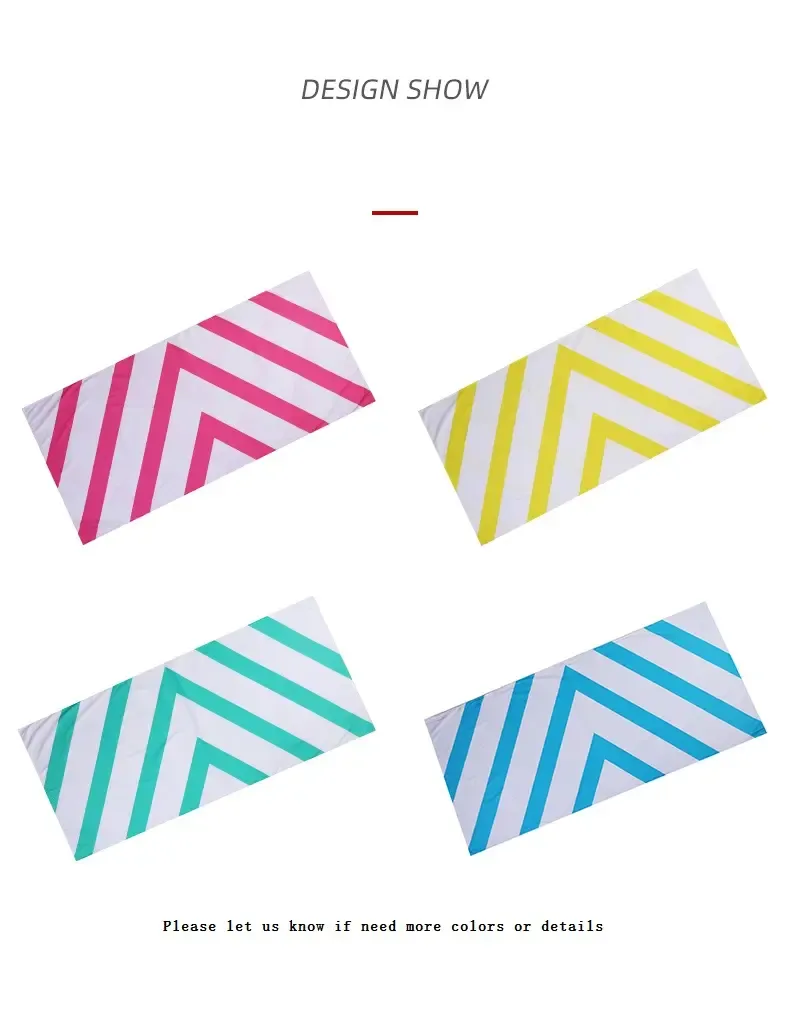
The global textile manufacturing landscape has evolved dramatically, with businesses increasingly seeking specialized partners for private label and OEM production. A custom beach towel factory represents a strategic opportunity for brands looking to expand their product lines or create unique market positioning through high-quality beach accessories. Understanding how these manufacturing partnerships work can unlock significant competitive advantages for retailers, distributors, and brand owners across various industries.
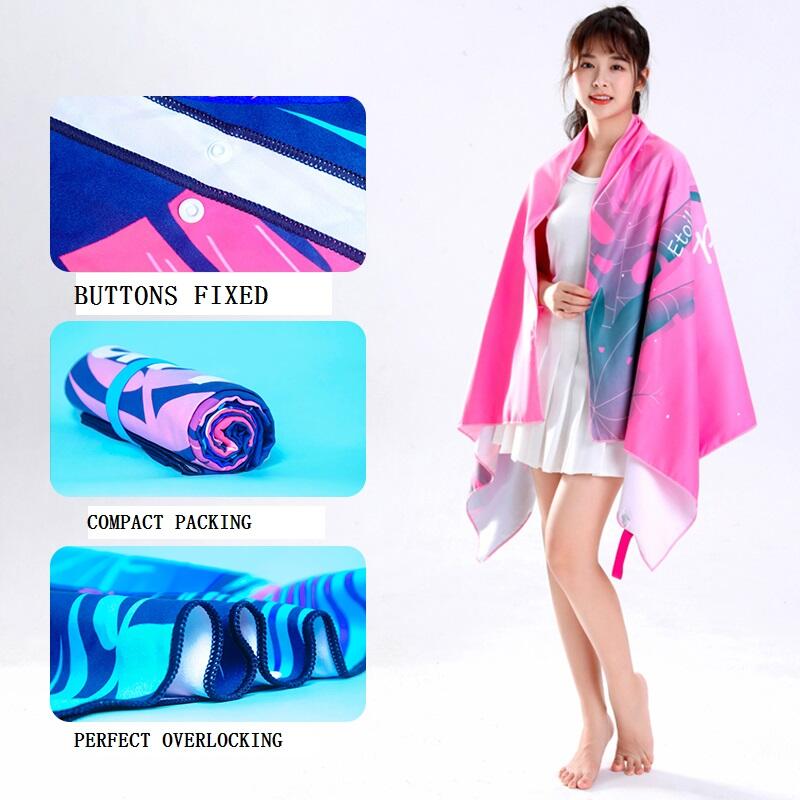
Modern consumers demand products that reflect their personal style and brand preferences, making customization a critical factor in market success. When partnering with a specialized manufacturing facility, businesses gain access to advanced production capabilities, design expertise, and quality control systems that would be cost-prohibitive to develop internally. This collaborative approach enables companies to focus on their core competencies while leveraging manufacturing expertise to create distinctive product offerings.
Understanding Private Label Manufacturing Partnerships
Defining Private Label Production Models
Private label manufacturing represents a business model where retailers or distributors work directly with production facilities to create products under their own brand names. A custom beach towel factory operating in this capacity provides comprehensive services from initial design concepts through final packaging and shipping. This arrangement allows businesses to offer unique products without investing in manufacturing infrastructure, equipment, or specialized technical knowledge required for textile production.
The relationship typically involves detailed collaboration on product specifications, quality standards, and branding requirements. Manufacturing partners provide technical guidance on material selection, construction methods, and design feasibility while ensuring compliance with relevant safety and quality regulations. This expertise proves invaluable for businesses entering new market segments or expanding existing product portfolios.
Benefits of Private Label Partnerships
Working with an experienced manufacturing facility offers numerous strategic advantages that extend beyond simple cost savings. Companies gain immediate access to established supply chains, quality control systems, and production expertise that typically require years to develop independently. The ability to leverage existing manufacturing relationships and vendor networks significantly reduces time-to-market for new product launches.
Brand differentiation becomes achievable through customized designs, unique material combinations, and specialized finishing techniques that distinguish products from generic alternatives. A skilled custom beach towel factory can implement specific color matching, texture preferences, and performance characteristics that align with brand positioning and target customer expectations. This level of customization supports premium pricing strategies and enhanced customer loyalty.
OEM Production Capabilities and Services
Original Equipment Manufacturing Framework
OEM partnerships involve manufacturing products according to detailed specifications provided by the contracting company, often incorporating proprietary designs, technologies, or branding elements. This arrangement differs from private label production in that the client typically provides complete product designs and technical specifications, while the manufacturer focuses on execution and quality delivery. The relationship requires precise communication and rigorous quality control to ensure final products meet exact requirements.
Manufacturing facilities specializing in OEM production maintain flexible production systems capable of accommodating diverse product specifications and volume requirements. This flexibility proves essential for businesses with seasonal demand patterns, limited-edition product releases, or testing new market concepts. The ability to scale production up or down based on market response provides significant strategic advantages in competitive markets.
Technical Capabilities and Quality Standards
Modern textile manufacturing facilities employ advanced production technologies and quality control systems that ensure consistent product performance and aesthetic appeal. Digital printing capabilities, precision cutting systems, and automated finishing processes enable the creation of complex designs with exceptional color accuracy and dimensional stability. These technical capabilities support the development of innovative products that meet demanding performance requirements.
Quality assurance protocols encompass raw material inspection, in-process monitoring, and final product testing to verify compliance with specified standards. A reputable custom beach towel factory implements comprehensive testing procedures that evaluate factors such as colorfastness, dimensional stability, absorbency, and durability. These systematic quality measures protect brand reputation and ensure customer satisfaction across all product batches.
Design and Development Support Services
Creative Design Collaboration
Successful manufacturing partnerships extend beyond production capabilities to include comprehensive design support and product development expertise. Experienced facilities maintain design teams capable of translating market concepts into viable product specifications while considering manufacturing constraints and cost considerations. This collaborative approach ensures that creative visions align with production realities and market requirements.
Design development services typically include concept sketching, technical pattern creation, color coordination, and material recommendation based on intended use applications and target price points. The ability to provide design alternatives and optimization suggestions helps clients develop products that balance aesthetic appeal with functional performance and manufacturing efficiency. These services prove particularly valuable for companies lacking internal design resources or textile expertise.
Prototyping and Sample Development
Prototype development represents a critical phase in product development that allows for design validation, quality assessment, and market testing before committing to full production runs. Professional manufacturing facilities provide comprehensive sampling services that enable clients to evaluate material properties, construction quality, and overall product performance under actual use conditions.
The sampling process typically involves multiple iterations to refine design elements, adjust specifications, and optimize production processes. This iterative approach reduces the risk of quality issues or design problems in final production while ensuring that products meet performance expectations and brand standards. Effective prototype development significantly improves the success rate of new product launches and reduces potential warranty or quality concerns.
Material Selection and Sourcing Excellence
Advanced Material Technologies
Contemporary beach towel manufacturing incorporates advanced material technologies that enhance performance characteristics while maintaining aesthetic appeal and cost effectiveness. Microfiber compositions offer superior absorption capacity and quick-drying properties compared to traditional cotton materials, while specialized weaving techniques improve durability and dimensional stability. Understanding these material options enables informed decision-making that aligns product characteristics with intended applications.
Sustainable material options have gained significant importance as consumers increasingly prioritize environmental responsibility in purchasing decisions. Recycled fibers, organic cotton alternatives, and eco-friendly dyeing processes provide opportunities to develop products that appeal to environmentally conscious consumers while maintaining performance standards. A knowledgeable custom beach towel factory can guide material selection to support sustainability objectives without compromising quality or marketability.
Supply Chain Management and Sourcing
Effective supply chain management ensures consistent material availability, quality control, and cost optimization throughout the production process. Established manufacturing facilities maintain relationships with multiple material suppliers, enabling competitive pricing and reliable delivery schedules even during periods of high demand or supply disruptions. This supply chain diversity provides important risk mitigation for businesses dependent on consistent product availability.
Raw material traceability and certification programs support brand commitments to quality and sustainability while providing transparency for increasingly informed consumers. Comprehensive documentation of material sources, processing methods, and quality testing results enables brands to communicate product attributes and environmental benefits effectively. This transparency supports premium positioning and builds consumer trust in product claims.
Production Flexibility and Scalability
Volume Management and Capacity Planning
Manufacturing flexibility represents a crucial factor in successful private label and OEM partnerships, particularly for businesses with variable demand patterns or seasonal sales cycles. Professional facilities maintain production systems capable of efficiently handling both small batch specialty runs and large volume orders while maintaining consistent quality standards. This scalability enables businesses to respond effectively to market opportunities and customer demands.
Capacity planning services help clients optimize order timing and production schedules to minimize costs while ensuring timely delivery. Understanding production lead times, seasonal capacity constraints, and material availability patterns enables better inventory management and reduces the risk of stockouts or excess inventory. Effective production planning supports improved cash flow management and customer satisfaction.
Customization Options and Flexibility
Advanced manufacturing capabilities support extensive customization options that enable brands to create distinctive products that reflect their unique positioning and customer preferences. Digital printing technologies facilitate complex graphics, photographic images, and precise color matching while maintaining cost effectiveness for moderate volume orders. These capabilities support the development of limited edition products, promotional items, and seasonal collections.
Customization extends beyond visual elements to include functional modifications such as size variations, edge treatments, hanging loops, and packaging options. The ability to accommodate specific customer requirements while maintaining production efficiency demonstrates the value of experienced manufacturing partnerships. A skilled custom beach towel factory can implement multiple customization elements simultaneously while ensuring quality consistency and delivery reliability.
Quality Control and Compliance Standards
Comprehensive Testing Protocols
Rigorous quality control systems form the foundation of successful manufacturing partnerships, ensuring that products consistently meet specified standards and customer expectations. Professional facilities implement multi-stage testing protocols that evaluate raw materials, in-process production quality, and finished product performance. These systematic quality measures protect brand reputation and minimize the risk of customer complaints or product returns.
Testing procedures typically encompass colorfastness evaluation, dimensional stability assessment, absorbency measurement, and durability testing under simulated use conditions. Advanced testing equipment and standardized procedures ensure consistent evaluation criteria and reliable results across all production batches. Documentation of testing results provides valuable quality assurance records that support warranty claims and continuous improvement initiatives.
Regulatory Compliance and Certifications
International trade regulations and safety standards require comprehensive compliance programs that ensure products meet all applicable requirements for target markets. Professional manufacturing facilities maintain current knowledge of regulatory requirements and implement appropriate testing and documentation procedures to support smooth customs clearance and market acceptance. This expertise proves particularly valuable for businesses entering international markets or expanding distribution channels.
Industry certifications such as OEKO-TEX standards, GOTS organic certification, and ISO quality management systems demonstrate commitment to quality and environmental responsibility. These certifications support premium positioning and provide competitive advantages in markets where consumers prioritize verified quality and sustainability claims. Working with certified facilities enables brands to leverage these credentials in marketing and sales efforts.
Logistics and Distribution Support
Packaging and Fulfillment Services
Comprehensive manufacturing partnerships often include packaging design, fulfillment services, and distribution support that streamline the complete supply chain process. Custom packaging solutions support brand presentation and product protection while optimizing shipping efficiency and costs. Professional packaging design considers both aesthetic impact and practical requirements such as storage efficiency and environmental impact.
Fulfillment services can include individual product packaging, retail-ready packaging, dropshipping capabilities, and inventory management support. These services enable businesses to focus on sales and marketing activities while leveraging manufacturing expertise for efficient order processing and delivery. Integrated logistics support significantly reduces operational complexity and improves customer satisfaction through reliable delivery performance.
International Shipping and Documentation
Global market opportunities require sophisticated logistics capabilities and expertise in international shipping regulations, documentation requirements, and customs procedures. Experienced facilities provide comprehensive export services that ensure compliance with applicable regulations while minimizing shipping costs and delivery times. This expertise proves essential for businesses seeking to expand into international markets or serve global customer bases.
Proper documentation and compliance procedures facilitate smooth customs clearance and reduce the risk of delays or additional costs. Professional handling of certificates of origin, commercial invoices, packing lists, and other required documentation demonstrates the value of experienced manufacturing partnerships. A reliable custom beach towel factory with export expertise can significantly simplify international business operations and reduce associated risks.
FAQ
What minimum order quantities are typically required for private label beach towel production?
Most professional manufacturing facilities establish minimum order quantities based on production efficiency and setup costs, typically ranging from 500 to 2,000 pieces per design and color combination. However, experienced facilities often provide flexibility for smaller initial orders to accommodate market testing or seasonal promotions. The specific minimum depends on factors such as design complexity, material requirements, and packaging specifications. Many manufacturers offer tiered pricing that rewards larger volumes while remaining accessible for smaller businesses testing new products or market segments.
How long does the typical production process take from order confirmation to delivery?
Production timelines vary based on order complexity, volume, and current factory capacity, but typically range from 15 to 45 days from order confirmation to shipment. Initial sample development may require an additional 7 to 14 days depending on design complexity and revision requirements. Rush orders may be accommodated with expedited production schedules, though this typically involves premium pricing. Effective production planning and early communication about delivery requirements help ensure realistic timelines that meet business needs while maintaining quality standards.
What design file formats and specifications are required for custom printing?
Professional facilities typically accept various digital file formats including AI, EPS, PDF, and high-resolution PNG or TIFF files with specific resolution requirements, usually 300 DPI or higher for optimal print quality. Vector files are preferred for logos and text elements to ensure crisp reproduction at any size. Color specifications should use PANTONE references or CMYK values for accurate color matching. Detailed design guidelines and templates are usually provided during the initial consultation to ensure files meet production requirements and achieve desired results.
Can manufacturing facilities provide assistance with product certifications and testing?
Yes, experienced manufacturing facilities typically maintain relationships with accredited testing laboratories and can coordinate required certifications such as OEKO-TEX, CPSIA compliance, or other market-specific requirements. Many facilities have in-house testing capabilities for standard quality parameters, while specialized testing is conducted through certified external laboratories. The manufacturer usually provides detailed test reports and certification documentation required for market compliance. This service proves particularly valuable for businesses entering regulated markets or seeking to differentiate products through verified quality and safety claims.
Table of Contents
- Understanding Private Label Manufacturing Partnerships
- OEM Production Capabilities and Services
- Design and Development Support Services
- Material Selection and Sourcing Excellence
- Production Flexibility and Scalability
- Quality Control and Compliance Standards
- Logistics and Distribution Support
-
FAQ
- What minimum order quantities are typically required for private label beach towel production?
- How long does the typical production process take from order confirmation to delivery?
- What design file formats and specifications are required for custom printing?
- Can manufacturing facilities provide assistance with product certifications and testing?