
 EN
EN
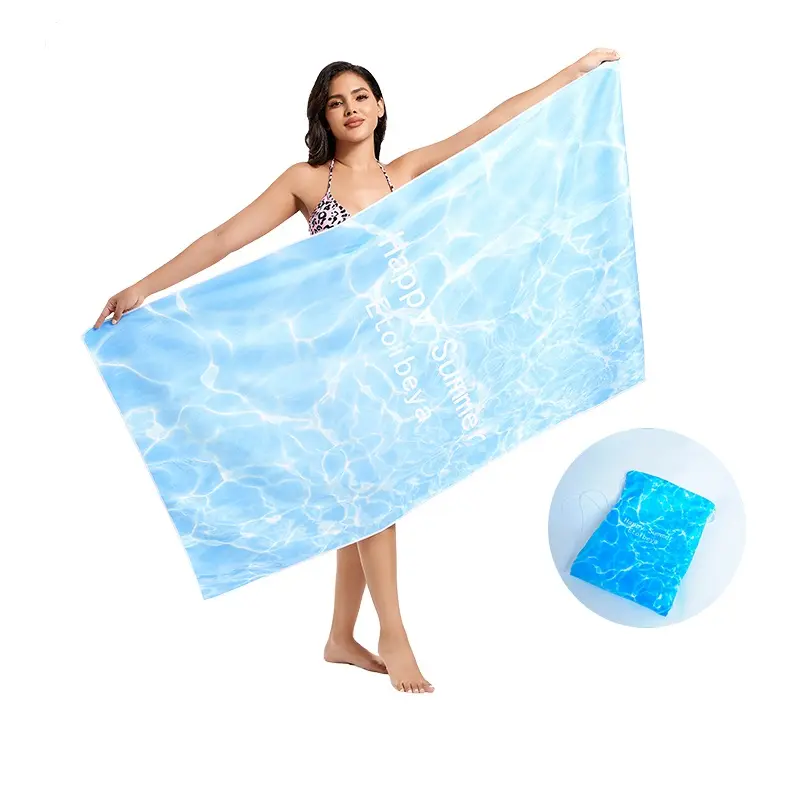
The beach towel industry has evolved dramatically over the past decade, with custom beach towel suppliers now offering an extensive range of materials to meet diverse consumer needs and preferences. Understanding the various fabric options available from manufacturers is crucial for businesses looking to source high-quality towels that align with their brand requirements and customer expectations. Modern suppliers have expanded their material portfolios beyond traditional cotton, incorporating innovative fibers that enhance performance, durability, and user experience. Whether you're a retailer, resort operator, or promotional product distributor, selecting the right material from reputable suppliers can significantly impact your product's market success and customer satisfaction rates.
Premium Cotton Materials from Leading Suppliers
Egyptian Cotton Excellence
Egyptian cotton remains the gold standard among materials offered by premium custom beach towel suppliers worldwide. This superior fiber, grown exclusively in the Nile River delta, features exceptionally long staples that create incredibly soft and durable towels. The unique growing conditions and harvesting methods result in cotton fibers that are both stronger and more absorbent than conventional alternatives. Leading suppliers often highlight Egyptian cotton in their premium product lines, charging higher prices that reflect the material's superior quality and performance characteristics.
Manufacturing processes for Egyptian cotton beach towels require specialized handling to preserve the fiber's natural properties. Experienced suppliers utilize advanced weaving techniques that maximize the cotton's inherent softness while maintaining structural integrity. The resulting towels exhibit excellent absorbency rates, quick-drying capabilities, and remarkable longevity even after repeated washing cycles. Many high-end resorts and luxury hotels specifically request Egyptian cotton towels from their suppliers due to the material's reputation for delivering exceptional guest experiences.
Turkish Cotton Innovation
Turkish cotton has gained significant popularity among custom beach towel suppliers due to its unique characteristics and versatile applications. This premium cotton variety, cultivated in Turkey's ideal Mediterranean climate, produces fibers with exceptional length and strength. The traditional Turkish weaving methods, combined with modern manufacturing technologies, create towels that are both luxuriously soft and highly functional. Suppliers often emphasize Turkish cotton's ability to become softer with each wash while maintaining its structural integrity over extended use periods.
The manufacturing process for Turkish cotton beach towels involves careful attention to fiber preparation and weaving patterns. Quality suppliers ensure that the cotton undergoes proper combing processes to remove shorter fibers, resulting in smoother and more consistent fabric texture. Turkish cotton towels typically feature higher GSM ratings, providing superior absorbency and faster drying times compared to standard cotton alternatives. These characteristics make Turkish cotton particularly attractive to suppliers targeting premium market segments and discerning customers who prioritize quality and performance.
Synthetic and Blended Material Options
Microfiber Technology Advances
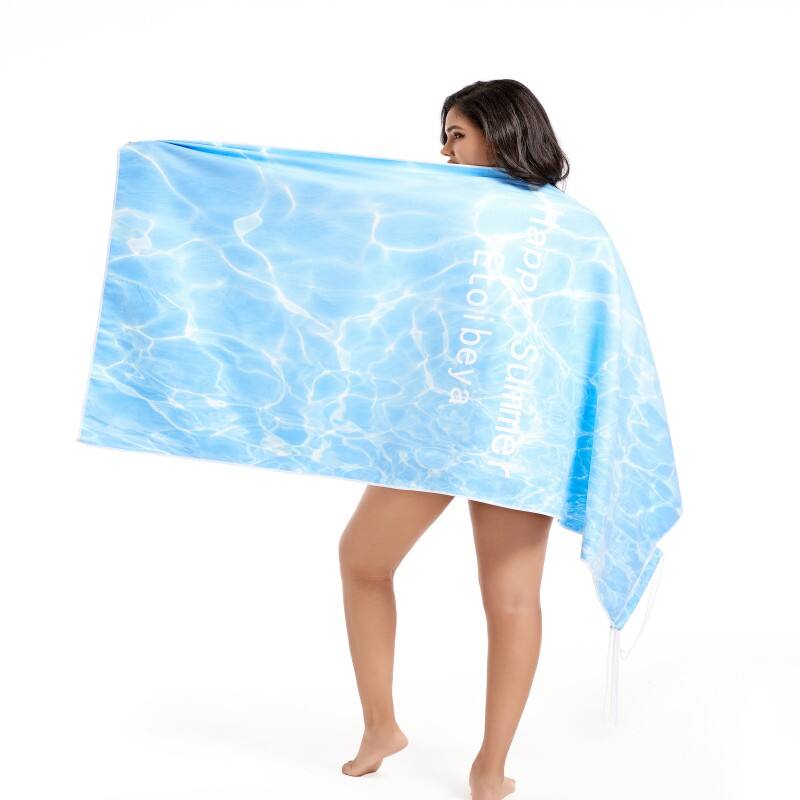
Microfiber has revolutionized the beach towel industry, with innovative suppliers now offering advanced synthetic materials that outperform traditional cotton in several key areas. These ultra-fine synthetic fibers, typically made from polyester and polyamide blends, create towels that are incredibly lightweight yet highly absorbent. Modern microfiber beach towels can absorb several times their weight in water while drying significantly faster than cotton alternatives. Progressive suppliers have invested heavily in microfiber technology, developing proprietary weaving patterns that enhance performance characteristics.
The manufacturing advantages of microfiber have attracted numerous suppliers seeking to offer competitive products with superior functionality. Advanced microfiber towels resist sand adhesion, making them ideal for beach applications where traditional materials often accumulate unwanted debris. Quality suppliers ensure their microfiber products undergo specialized finishing processes that enhance softness and durability. Additionally, microfiber's inherent resistance to bacteria and mildew growth makes these towels particularly appealing to health-conscious consumers and commercial operators requiring hygienic solutions.
Recent innovations in microfiber technology have enabled suppliers to create towels with enhanced UV protection and quick-dry capabilities. These advanced materials incorporate specialized fiber structures that promote rapid moisture evaporation while maintaining comfortable texture against skin. Leading suppliers often highlight these technical advantages when marketing microfiber beach towels to active lifestyle consumers and travel enthusiasts who prioritize compact, high-performance gear.
Cotton-Polyester Blended Solutions
Cotton-polyester blends represent a popular compromise solution that many suppliers offer to customers seeking balanced performance and affordability. These blended materials typically combine cotton's natural softness and absorbency with polyester's durability and quick-drying properties. Experienced suppliers carefully calibrate blend ratios to optimize specific characteristics, with common formulations ranging from 70/30 to 50/50 cotton-polyester combinations. The resulting towels offer improved dimensional stability and reduced shrinkage compared to pure cotton alternatives.
Manufacturing considerations for blended materials require suppliers to manage different fiber properties throughout production processes. Quality control becomes particularly important as cotton and polyester fibers respond differently to dyeing, finishing, and washing treatments. Reputable suppliers invest in advanced testing equipment to ensure consistent color fastness and performance across their blended product lines. These materials often appeal to budget-conscious customers who still want reasonable quality and functionality from their beach towels.
Specialized Performance Materials
Bamboo Fiber Innovation
Bamboo fiber has emerged as an eco-friendly alternative that environmentally conscious suppliers increasingly include in their material offerings. This sustainable material provides natural antibacterial properties and exceptional softness that rivals premium cotton varieties. Bamboo-based beach towels exhibit excellent moisture-wicking capabilities and maintain freshness even in humid conditions. Forward-thinking suppliers recognize bamboo's appeal to environmentally aware consumers and often market these products as premium sustainable options.
The processing requirements for bamboo fiber demand specialized knowledge and equipment that not all suppliers possess. Quality bamboo towels require careful fiber extraction and processing to preserve the material's inherent properties while achieving desired textile characteristics. Experienced suppliers work with certified bamboo processing facilities to ensure their products meet both performance and environmental standards. The resulting towels offer unique benefits including natural UV protection and hypoallergenic properties that appeal to sensitive-skin consumers.
Linen and Natural Fiber Alternatives
Linen and other natural fiber alternatives have gained traction among suppliers catering to luxury and artisanal market segments. These materials offer distinctive textures and aesthetic qualities that differentiate them from mainstream cotton and synthetic options. Linen beach towels provide excellent breathability and develop a unique patina with use that many consumers find appealing. Specialized suppliers often source linen from European producers known for superior fiber quality and traditional manufacturing methods.
Hemp and other alternative natural fibers are gradually entering supplier portfolios as consumer interest in sustainable and unique materials grows. These materials typically require specialized processing techniques and may command premium pricing due to limited availability and processing complexity. Suppliers targeting niche markets often highlight the environmental benefits and unique characteristics of these alternative materials to justify higher price points and attract environmentally conscious customers.
Quality Considerations and Supplier Selection
Material Testing and Certification Standards
Professional suppliers implement comprehensive testing protocols to ensure their materials meet established quality and safety standards. These tests typically evaluate factors such as colorfastness, shrinkage rates, tensile strength, and absorbency performance across different washing cycles. Reputable suppliers maintain relationships with accredited testing laboratories and provide detailed material specifications and certification documents to their customers. Understanding these quality metrics helps buyers make informed decisions when selecting materials for their specific applications.
International standards such as OEKO-TEX and GOTS certification have become increasingly important for suppliers serving quality-conscious markets. These certifications ensure that materials meet strict environmental and human health criteria throughout the production process. Leading suppliers invest in obtaining and maintaining these certifications as they provide competitive advantages and access to premium market segments. Buyers should prioritize suppliers who can provide proper certification documentation and transparent quality assurance processes.
Supplier Manufacturing Capabilities
Evaluating supplier manufacturing capabilities involves assessing their equipment, processes, and quality control systems across different material types. Advanced suppliers maintain modern weaving and finishing equipment capable of handling various fiber types while maintaining consistent quality standards. Production capacity, lead times, and minimum order quantities vary significantly among suppliers depending on their specialization and manufacturing scale. Understanding these operational parameters helps buyers identify suppliers that align with their specific volume and timeline requirements.
Customization capabilities represent another crucial factor when selecting suppliers for specific material requirements. Experienced suppliers offer various customization options including custom weaves, specialized finishes, and unique material combinations tailored to specific applications. These capabilities often distinguish professional suppliers from basic manufacturers and justify premium pricing for specialized services. Buyers should evaluate supplier portfolios and previous customization projects to ensure compatibility with their specific material and design requirements.
FAQ
What factors should I consider when choosing materials from custom beach towel suppliers?
When selecting materials from suppliers, consider your target market's preferences, budget constraints, and intended use applications. Premium materials like Egyptian or Turkish cotton command higher prices but offer superior performance and customer satisfaction. Synthetic options like microfiber provide excellent functionality at lower costs but may not appeal to customers preferring natural materials. Evaluate factors such as absorbency, durability, drying time, and maintenance requirements to match materials with your specific customer needs and market positioning.
How do I verify the quality of materials offered by different suppliers?
Request material samples from potential suppliers to evaluate texture, weight, and construction quality firsthand. Ask for detailed specifications including GSM ratings, fiber content, and manufacturing processes used. Verify any certifications or quality standards claimed by suppliers through independent documentation. Consider requesting references from existing customers and conducting small test orders before committing to large purchases. Reputable suppliers should be transparent about their materials and willing to provide comprehensive quality documentation.
Are eco-friendly materials from suppliers worth the additional cost?
Eco-friendly materials like bamboo or organic cotton often command premium prices but can provide significant value for environmentally conscious brands and consumers. These materials typically offer unique performance characteristics such as natural antibacterial properties and enhanced sustainability credentials. Market demand for sustainable products continues growing, potentially justifying higher costs through improved customer loyalty and brand differentiation. Evaluate your target market's environmental priorities and willingness to pay premium prices for sustainable alternatives.
What minimum order quantities should I expect from material suppliers?
Minimum order quantities vary significantly among suppliers depending on material types, customization requirements, and manufacturing capabilities. Standard materials typically have lower minimums ranging from 100 to 500 pieces, while specialized or custom materials may require 1000+ piece orders. Premium materials and extensive customizations generally demand higher minimums due to setup costs and production efficiencies. Discuss volume requirements early in supplier negotiations to ensure alignment with your purchasing capabilities and inventory management needs.
Table of Contents
- Premium Cotton Materials from Leading Suppliers
- Synthetic and Blended Material Options
- Specialized Performance Materials
- Quality Considerations and Supplier Selection
-
FAQ
- What factors should I consider when choosing materials from custom beach towel suppliers?
- How do I verify the quality of materials offered by different suppliers?
- Are eco-friendly materials from suppliers worth the additional cost?
- What minimum order quantities should I expect from material suppliers?