
 EN
EN
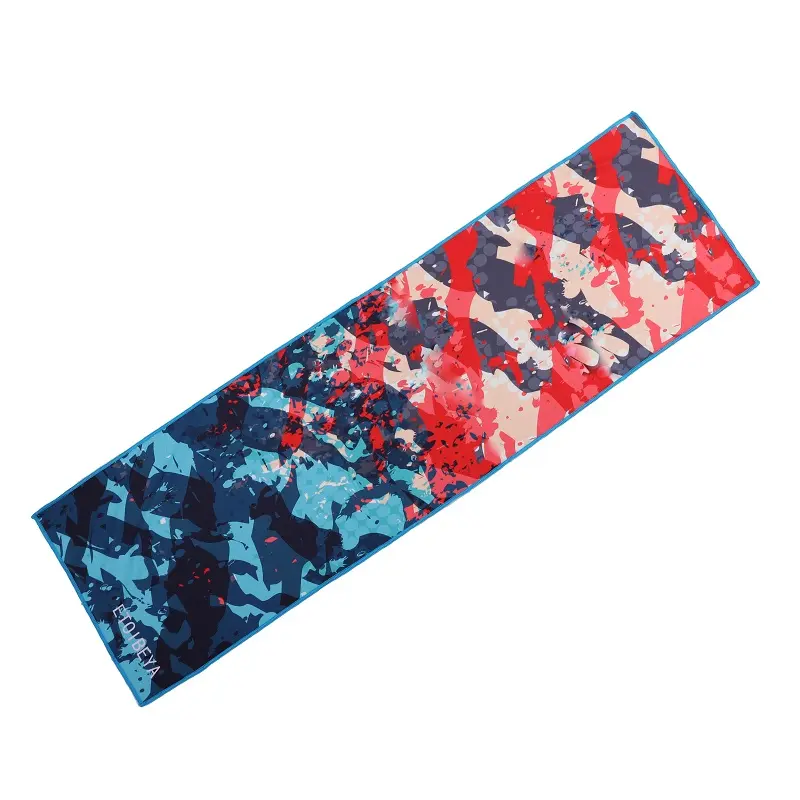
Swimming pool towels in gym environments face unique challenges when it comes to maintaining hygiene and preventing bacterial growth. The warm, humid conditions combined with frequent use by multiple individuals create an ideal breeding ground for harmful bacteria, making effective antibacterial treatments essential for both user safety and facility reputation. Understanding which antibacterial treatments work best for pool towels requires examining the specific bacterial threats present in aquatic environments and evaluating treatment methods that can withstand the demanding wash cycles and chemical exposure common in commercial gym settings.
The effectiveness of antibacterial treatments in pool towels depends on several critical factors including the treatment method used, the fabric composition, and the specific types of bacteria commonly found in aquatic facilities. Gyms must consider treatments that not only eliminate existing bacteria but also provide lasting protection against recontamination, while maintaining the towel's absorbency and softness that users expect. The most successful antibacterial treatments combine immediate antimicrobial action with residual protection that continues working between washes.
Silver-Based Antimicrobial Treatments
Silver Ion Technology Applications
Silver ion technology represents one of the most proven antibacterial treatments for swimming pool towels used in commercial gym settings. This treatment method incorporates silver nanoparticles or silver ions directly into the textile fibers during manufacturing, creating a permanent antimicrobial barrier that remains effective throughout the towel's lifespan. Silver ions work by disrupting bacterial cell membranes and interfering with essential cellular processes, making them particularly effective against common pool-related bacteria including Pseudomonas aeruginosa and Staphylococcus aureus.
The durability of silver-based antibacterial treatments makes them ideal for high-use gym environments where towels undergo frequent washing with chlorine bleach and hot water. Unlike surface treatments that can wash away over time, silver ions embedded within the fiber structure continue providing antimicrobial protection even after hundreds of wash cycles. This longevity ensures consistent bacterial protection for gym members while reducing the need for frequent towel replacement.
Performance Against Pool-Specific Bacteria
Silver-based antibacterial treatments demonstrate exceptional effectiveness against bacteria commonly found in swimming pool environments. Research shows that silver ion treatments can reduce bacterial counts by over 99.9% within two hours of contact, making them highly effective against organisms that thrive in warm, moist conditions. The broad-spectrum antimicrobial action of silver treatments provides protection against both gram-positive and gram-negative bacteria, ensuring comprehensive coverage against the diverse bacterial populations present in pool areas.
Gym operators particularly value silver-based treatments because they maintain their effectiveness in the presence of chlorine and other pool chemicals. This chemical resistance ensures that towels retain their antibacterial properties even when exposed to pool water or cleaning products containing oxidizing agents. The non-toxic nature of silver treatments also makes them safe for direct skin contact, addressing concerns about potential irritation or allergic reactions among sensitive gym members.
Zinc Pyrithione and Copper-Based Solutions
Zinc Pyrithione Treatment Mechanisms
Zinc pyrithione represents another highly effective category of antibacterial treatments specifically suited for swimming pool towels in gym applications. This antifungal and antibacterial agent works by disrupting cellular metabolism in microorganisms, preventing their ability to reproduce and survive on textile surfaces. Zinc pyrithione treatments are particularly effective against fungi and yeasts that commonly develop in humid pool environments, making them valuable for comprehensive microbial control.
The application of zinc pyrithione in towel manufacturing involves incorporating the active ingredient into textile finishes or fiber treatments during production. This integration ensures that the antibacterial treatments remain active throughout the towel's usable life while maintaining the fabric's natural feel and absorbency characteristics. Gym facilities appreciate zinc pyrithione treatments because they address both bacterial and fungal contamination risks with a single treatment approach.
Copper-Infused Textile Technologies
Copper-based antibacterial treatments offer unique advantages for pool towels through their natural antimicrobial properties and proven effectiveness against waterborne pathogens. Copper ions naturally present in treated textiles create an hostile environment for bacterial growth by generating reactive oxygen species that damage bacterial cell walls and DNA. This mechanism proves particularly effective against chlorine-resistant bacteria that may survive standard pool disinfection processes.
The implementation of copper-based antibacterial treatments in gym towels provides dual benefits of immediate bacterial kill and residual protection. When bacteria come into contact with copper-treated fibers, the antimicrobial action begins within minutes, significantly reducing the bacterial load before towels are laundered. This rapid response helps prevent cross-contamination between gym members and reduces the risk of skin infections associated with contaminated towels.
Chemical Treatment Applications and Effectiveness
Quaternary Ammonium Compound Treatments
Quaternary ammonium compounds represent a class of antibacterial treatments that provide excellent performance in swimming pool towel applications through their broad-spectrum antimicrobial activity. These treatments work by disrupting bacterial cell membranes, causing cell contents to leak out and resulting in rapid bacterial death. The positive charge of quaternary ammonium molecules attracts them to negatively charged bacterial surfaces, ensuring effective contact and antimicrobial action.
Gym facilities often choose quaternary ammonium-based antibacterial treatments because they remain stable in the presence of pool chemicals and maintain effectiveness through repeated wash cycles. The treatment bonds chemically to textile fibers, creating a durable antimicrobial surface that continues working between uses. This persistence makes quaternary ammonium treatments particularly cost-effective for high-volume gym operations where towel turnover is frequent and bacterial exposure risks are elevated.
Triclosan-Free Alternative Formulations
Modern antibacterial treatments for pool towels increasingly focus on triclosan-free formulations that provide effective bacterial control without environmental concerns. These alternative treatments utilize natural antimicrobial agents or novel synthetic compounds that offer comparable or superior performance to traditional treatments. Many gyms prefer these eco-friendly options because they align with sustainability goals while maintaining high standards for member safety and hygiene.
The effectiveness of triclosan-free antibacterial treatments often exceeds expectations, with many formulations demonstrating superior performance against drug-resistant bacteria strains. These advanced treatments incorporate multiple antimicrobial mechanisms, making it difficult for bacteria to develop resistance over time. The combination of effectiveness and environmental responsibility makes these treatments increasingly popular among health-conscious gym operators and environmentally aware consumers.
Physical Treatment Methods and Mechanical Protection
Microencapsulation Technology
Microencapsulation represents an innovative approach to delivering antibacterial treatments in swimming pool towels through controlled release mechanisms. This technology embeds antimicrobial agents within microscopic capsules that are integrated into textile fibers during manufacturing. The capsules release their antimicrobial contents gradually through friction, moisture, or pH changes, providing sustained bacterial protection throughout the towel's use cycle.
The advantages of microencapsulated antibacterial treatments include extended protection duration and reduced chemical exposure during manufacturing and use. Gym towels treated with microencapsulation technology maintain their antimicrobial effectiveness longer than conventional treatments, reducing replacement costs and ensuring consistent bacterial control. The controlled release mechanism also minimizes potential skin sensitivity issues while maximizing antimicrobial efficacy against pool-related bacterial threats.
Photocatalytic Titanium Dioxide Applications
Photocatalytic titanium dioxide treatments provide unique antibacterial protection for pool towels through their ability to generate reactive oxygen species when exposed to light. This treatment method incorporates titanium dioxide nanoparticles into textile fibers, where they act as photocatalysts to break down organic compounds including bacterial cell walls and membranes. The process continues as long as light is available, making it particularly effective in well-lit gym environments.
The self-cleaning properties of photocatalytic antibacterial treatments make them especially valuable for swimming pool towels that may harbor organic contaminants from pool water and user contact. Under normal lighting conditions, titanium dioxide treatments continuously work to break down organic matter and eliminate bacterial populations, reducing the overall microbial load on towel surfaces. This ongoing antimicrobial activity helps maintain towel freshness and reduces odor development between washing cycles.
Treatment Selection Criteria for Gym Environments
Durability and Wash Resistance Requirements
Selecting appropriate antibacterial treatments for swimming pool towels requires careful evaluation of durability characteristics and wash resistance performance. Gym environments demand treatments that maintain effectiveness through hundreds of industrial wash cycles involving high temperatures, aggressive detergents, and bleaching agents. The most suitable antibacterial treatments demonstrate consistent antimicrobial activity even after extended exposure to harsh laundry conditions typical in commercial facilities.
Testing protocols for evaluating treatment durability typically involve subjecting treated towels to accelerated wash testing that simulates months or years of normal use. Effective antibacterial treatments should retain at least 90% of their initial antimicrobial activity after 50 industrial wash cycles, with premium treatments maintaining effectiveness for 100 cycles or more. This durability ensures that gym operators receive reliable bacterial protection throughout the towel's useful life, justifying the investment in treated textiles.
Safety and Skin Compatibility Considerations
The selection of antibacterial treatments for pool towels must prioritize user safety and skin compatibility, particularly in gym environments where towels come into direct contact with sensitive skin areas. Safe treatments demonstrate no irritation potential through standardized dermatological testing and show no evidence of sensitization or allergic reactions in normal use. Gym operators must verify that chosen antibacterial treatments meet relevant safety standards and regulatory requirements for textile applications.
Long-term safety considerations include evaluating the potential for bacterial resistance development and environmental impact of treatment chemicals. The most responsible antibacterial treatments utilize mechanisms that make bacterial resistance development unlikely while ensuring that any chemical releases during washing or disposal pose minimal environmental risks. These comprehensive safety evaluations help gym operators make informed decisions that protect both their members and the broader community.
FAQ
How long do antibacterial treatments last in swimming pool towels?
The longevity of antibacterial treatments in swimming pool towels varies significantly based on the treatment type and usage conditions. Silver-based and copper-infused treatments typically maintain effectiveness for 50-100 industrial wash cycles, while surface treatments may last only 10-25 cycles. In typical gym environments with daily washing, permanent treatments can provide 6-12 months of effective bacterial protection, while temporary treatments may require renewal every 1-3 months.
Are antibacterial treatments safe for people with sensitive skin?
Most modern antibacterial treatments designed for pool towels undergo extensive dermatological testing to ensure skin safety and compatibility. Silver, copper, and zinc-based treatments generally show excellent skin tolerance with minimal irritation potential. However, individuals with known metal sensitivities should consult with facility management about specific treatments used, and gyms should maintain documentation of treatment safety testing results for member reference.
Do antibacterial treatments affect towel absorbency and softness?
High-quality antibacterial treatments are specifically designed to maintain the natural absorbency and softness characteristics of pool towels. Modern treatment methods integrate antimicrobial agents at the molecular level without significantly altering fiber structure or performance. Some treatments may initially cause slight changes in hand feel, but these effects typically diminish after several wash cycles as the towels reach equilibrium.
Which antibacterial treatments work best against chlorine-resistant bacteria?
Copper-based and silver ion treatments demonstrate superior effectiveness against chlorine-resistant bacteria commonly found in swimming pool environments. These metal-based antibacterial treatments utilize different antimicrobial mechanisms than chlorine disinfection, making them effective against organisms that may survive standard pool chemical treatment. Quaternary ammonium compounds also show good performance against resistant bacterial strains when properly applied and maintained.