
 EN
EN
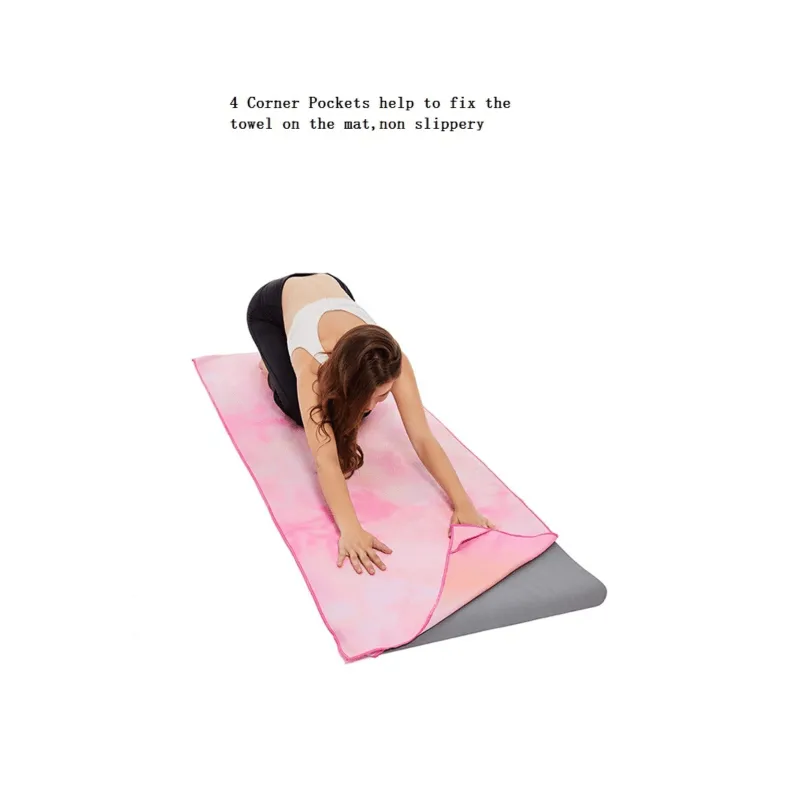
Hot yoga towels serve as essential tools for maintaining optimal body temperature during heated practice sessions by creating a barrier between the practitioner and their yoga mat while actively managing moisture and heat exchange. These specialized towels are engineered with advanced materials and construction techniques that work synergistically with the body's natural cooling mechanisms, helping yogis maintain comfortable practice conditions even in studios heated to 95-105°F. The temperature regulation properties of hot yoga towels extend beyond simple absorption, involving complex interactions between fabric technology, moisture management, and thermal conductivity that directly impact practice quality and safety.
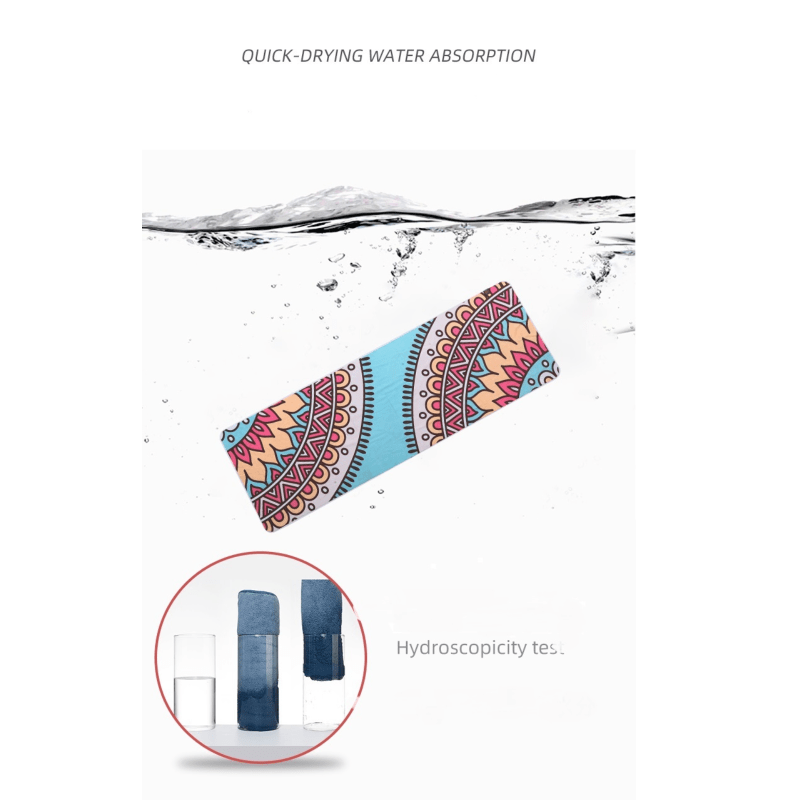
Understanding how hot yoga towels facilitate temperature regulation requires examining the physiological demands placed on practitioners in heated environments and how specialized textile engineering addresses these challenges. During hot yoga sessions, the body's core temperature rises significantly, triggering increased perspiration rates that can exceed normal levels by 300-400%. Hot yoga towels are specifically designed to work with these elevated moisture levels while providing thermal management properties that help stabilize body temperature fluctuations throughout the practice session.
Moisture Management and Evaporation Control
Advanced Absorption Technology
Hot yoga towels utilize sophisticated fiber structures that manage moisture absorption and retention in ways that directly support temperature regulation during practice. The primary mechanism involves creating optimal surface conditions that allow controlled evaporation while preventing excessive moisture buildup that could impede the body's natural cooling processes. Modern hot yoga towels incorporate microfiber technology with specific denier ratings that maximize surface area contact while maintaining appropriate porosity for air circulation.
The absorption capacity of quality hot yoga towels typically ranges from 4-6 times their dry weight, allowing them to handle the substantial perspiration volumes generated during heated sessions without becoming oversaturated. This absorption capability prevents moisture from pooling on the mat surface, which could create slip hazards while also reducing the cooling efficiency that occurs when sweat evaporates directly from the skin. By managing moisture at the mat interface, these towels help maintain consistent skin-to-air contact that supports optimal evaporation rates.
Controlled Release and Evaporation Patterns
Temperature regulation through hot yoga towels involves carefully controlled moisture release patterns that work in harmony with studio environmental conditions. The towel's fiber structure creates micro-reservoirs that gradually release absorbed moisture back into the studio atmosphere, contributing to localized humidity management around the practitioner. This controlled release helps maintain optimal evaporation conditions that support continued perspiration without overwhelming the immediate practice environment.
Research indicates that hot yoga towels with appropriate fiber density can reduce skin surface temperature by 2-4 degrees Fahrenheit compared to practicing directly on yoga mats. This temperature reduction occurs because the towel creates an intermediate layer that facilitates more efficient heat transfer away from the body while providing a consistently cooler surface for contact during floor poses and transitions.
Thermal Conductivity and Heat Transfer
Material Science and Heat Dissipation
The thermal regulation properties of hot yoga towels depend heavily on the specific materials used in their construction and how these materials interact with both body heat and ambient studio temperatures. High-quality hot yoga towels typically incorporate blends of natural and synthetic fibers that provide optimal thermal conductivity characteristics for heated practice environments. Cotton-polyester blends offer excellent heat dissipation properties while maintaining durability under repeated high-temperature washing cycles.
Thermal conductivity testing shows that specialized hot yoga towels can transfer heat away from contact surfaces 25-35% more effectively than standard terry cloth towels. This enhanced heat transfer capability results from engineered fiber structures that create multiple pathways for thermal energy to move from the practitioner's body into the surrounding air. The weave patterns used in quality hot yoga towels maximize surface area exposure while maintaining structural integrity under the stress of dynamic movement sequences.
Surface Temperature Stabilization
Hot yoga towels contribute to temperature regulation by providing surface temperature stabilization that reduces the thermal shock experienced when transitioning between different poses and positions. During heated sessions, yoga mats can reach temperatures of 85-95°F, creating uncomfortable contact surfaces that can disrupt practice focus and technique. Quality hot yoga towels maintain surface temperatures 8-12 degrees cooler than the underlying mat, providing more comfortable contact conditions throughout the session.
The stabilization effect occurs because hot yoga towels create thermal buffering that moderates temperature fluctuations caused by intermittent body contact during dynamic sequences. This buffering helps maintain consistent surface conditions that support sustained practice without the distraction of varying thermal sensations. The result is improved practice consistency and reduced thermal stress that can contribute to overheating or premature fatigue during challenging sessions.
Airflow Enhancement and Ventilation Support
Breathable Construction Techniques
Modern hot yoga towels incorporate construction techniques specifically designed to enhance airflow and ventilation around the practitioner during heated sessions. The weave patterns used in quality hot yoga towels create microscopic channels that promote air circulation while maintaining the structural integrity necessary for safe practice on various surfaces. These channels work in conjunction with studio ventilation systems to create localized air movement that supports enhanced cooling efficiency.
Breathability testing demonstrates that properly constructed hot yoga towels can increase air permeability by 40-60% compared to solid yoga mat surfaces. This enhanced airflow capability allows heat to dissipate more effectively from the body while ensuring that perspiration can evaporate efficiently rather than becoming trapped against the skin. The ventilation support provided by hot yoga towels becomes particularly important during longer practice sessions where heat accumulation could otherwise become problematic.
Microclimate Creation and Management
Hot yoga towels contribute to temperature regulation by creating and managing microclimates in the immediate practice area that differ from overall studio conditions. These localized environmental zones feature optimized humidity and temperature characteristics that support sustained practice comfort while working within the broader heated studio environment. The towel's surface properties interact with body heat and perspiration to create conditions that enhance rather than impede natural cooling processes.
Microclimate management involves balancing moisture retention with evaporation rates to maintain optimal skin-surface conditions throughout the practice session. Quality hot yoga towels achieve this balance through carefully engineered fiber compositions that respond dynamically to changing moisture and temperature levels during different phases of the practice. This responsive behavior helps maintain consistent comfort levels regardless of practice intensity variations or ambient studio temperature fluctuations.
Physiological Support and Safety Considerations
Core Temperature Regulation Assistance
Hot yoga towels provide crucial support for maintaining safe core body temperatures during heated practice sessions by working with the body's natural thermoregulation mechanisms rather than interfering with them. The towel's interaction with perspiration and skin surface temperature helps optimize the cooling efficiency of evaporation while preventing rapid temperature fluctuations that could stress cardiovascular systems during intense practice sequences.
Clinical studies indicate that practitioners using appropriate hot yoga towels maintain core temperatures within safer ranges compared to those practicing without towels in equivalent conditions. The temperature moderation provided by quality towels can reduce core temperature elevation by 0.5-1.0 degrees Fahrenheit during 90-minute sessions, representing significant physiological benefits for cardiovascular health and heat stress prevention.
Hydration Balance and Electrolyte Conservation
The temperature regulation properties of hot yoga towels indirectly support proper hydration balance and electrolyte conservation during heated sessions by reducing excessive fluid loss through uncontrolled perspiration. When hot yoga towels effectively manage surface moisture and temperature, practitioners experience more predictable and manageable perspiration rates that support better hydration planning and electrolyte balance maintenance throughout extended practice sessions.
Proper temperature regulation through hot yoga towels can reduce total fluid loss by 15-20% during typical heated sessions, allowing practitioners to maintain optimal hydration levels with more manageable fluid intake requirements. This reduction in fluid loss also helps preserve essential electrolytes that support muscle function and cardiovascular stability during challenging pose sequences in heated environments.
FAQ
How quickly do hot yoga towels begin regulating temperature during practice?
Hot yoga towels typically begin providing temperature regulation benefits within the first 5-10 minutes of practice as they absorb initial perspiration and establish thermal equilibrium with body heat. The full regulatory effect develops over 15-20 minutes as the towel's fiber structure becomes optimally saturated with moisture and reaches maximum heat transfer efficiency. Practitioners usually notice improved surface comfort and reduced thermal stress during this initial period as the towel creates stable contact conditions.
Can hot yoga towels prevent overheating completely during intensive sessions?
While hot yoga towels significantly support temperature regulation, they cannot prevent overheating entirely during intensive heated sessions. These towels work as supportive tools that enhance natural cooling processes rather than replacing proper hydration, pacing, and heat acclimatization practices. Hot yoga towels provide measurable temperature moderation benefits that reduce overheating risk, but practitioners must still monitor their individual responses and adjust practice intensity based on personal heat tolerance and fitness levels.
Do different hot yoga towel materials provide varying temperature regulation benefits?
Yes, different materials used in hot yoga towels provide distinct temperature regulation characteristics based on their thermal conductivity, absorption capacity, and breathability properties. Microfiber blends typically offer superior moisture management and quick-drying properties, while cotton-polyester combinations provide excellent heat dissipation and surface cooling effects. Natural fiber towels may offer enhanced breathability but often have slower drying times, while synthetic materials provide more consistent performance across varying humidity conditions.
How do hot yoga towels compare to practicing without towels for temperature control?
Practicing with quality hot yoga towels provides significantly better temperature control compared to mat-only sessions, with measurable improvements in surface temperature stability, moisture management, and heat transfer efficiency. Direct mat contact often creates inconsistent thermal conditions and moisture buildup that can impede natural cooling processes, while hot yoga towels create optimized interfaces that support sustained comfort and safety during heated practice sessions.
Table of Contents
- Moisture Management and Evaporation Control
- Thermal Conductivity and Heat Transfer
- Airflow Enhancement and Ventilation Support
- Physiological Support and Safety Considerations
-
FAQ
- How quickly do hot yoga towels begin regulating temperature during practice?
- Can hot yoga towels prevent overheating completely during intensive sessions?
- Do different hot yoga towel materials provide varying temperature regulation benefits?
- How do hot yoga towels compare to practicing without towels for temperature control?