
 EN
EN
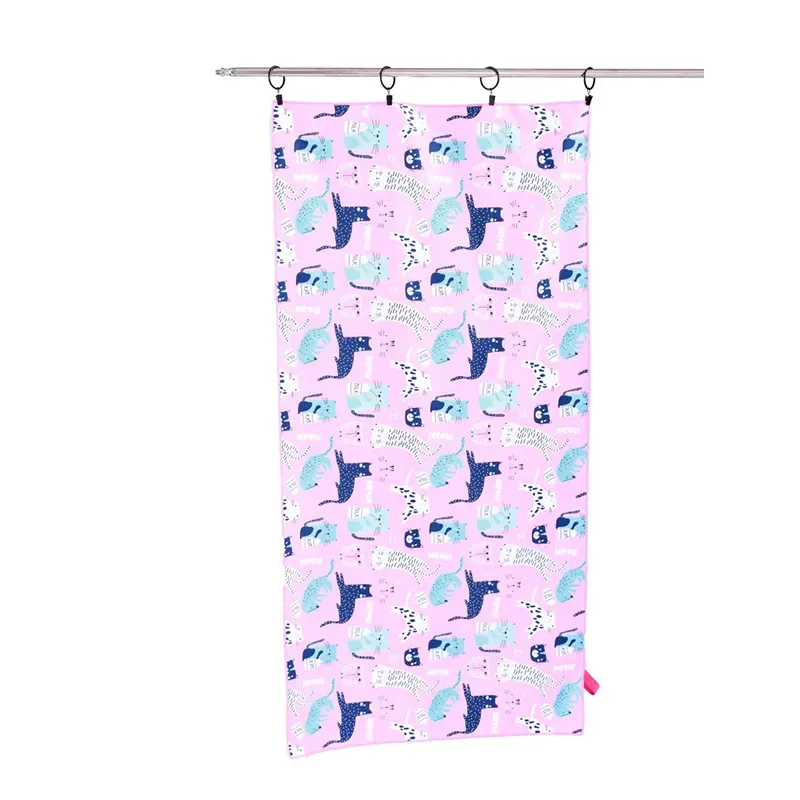
The retail landscape for beach accessories has evolved significantly, with savvy retailers increasingly turning to specialized manufacturers for their product sourcing needs. When it comes to beach towels, working with a custom beach towel factory offers unparalleled advantages that traditional wholesale purchasing simply cannot match. These partnerships enable retailers to differentiate their offerings, maintain competitive pricing, and deliver exactly what their customers demand in today's crowded marketplace.
The decision to partner with a custom beach towel factory represents a strategic shift from commodity purchasing to value-added manufacturing relationships. Retailers who make this transition often discover that customization capabilities extend far beyond simple logo placement, encompassing material selection, size variations, color matching, and innovative design features that create genuine market differentiation. This comprehensive approach to product development has transformed how successful retailers approach their beach towel inventory strategies.
Competitive Advantages Through Customization
Brand Differentiation in Saturated Markets
Today's beach towel market is flooded with generic products that offer little to distinguish one retailer from another. A custom beach towel factory enables retailers to break free from this commoditization by creating unique designs, proprietary materials, and exclusive features that cannot be found elsewhere. This differentiation extends beyond visual aesthetics to include functional innovations such as sand-resistant fabrics, quick-dry technologies, and ergonomic sizing options that address specific customer pain points.
The ability to create exclusive product lines gives retailers significant leverage in pricing discussions and customer retention efforts. When customers cannot find identical products from competitors, retailers can command premium prices while building stronger brand loyalty. This exclusivity also provides protection against price-based competition, as the unique nature of custom products makes direct price comparisons more difficult for consumers to make.
Inventory Optimization and Risk Management
Working with a custom beach towel factory allows retailers to optimize their inventory investments through precise demand forecasting and flexible production scheduling. Rather than committing to large quantities of predetermined designs, retailers can adjust production volumes based on real-time sales data and market feedback. This responsiveness significantly reduces the risk of overstock situations while ensuring adequate supply for high-performing products.
The flexibility inherent in custom manufacturing relationships also enables retailers to respond quickly to emerging trends and seasonal variations. When social media influences suddenly shift consumer preferences toward specific colors, patterns, or functional features, retailers with established custom beach towel factory partnerships can capitalize on these trends within weeks rather than waiting for the next buying season. This agility provides substantial competitive advantages in fast-moving consumer markets.
Quality Control and Manufacturing Excellence
Direct Oversight of Production Standards
Retailers who establish relationships with a custom beach towel factory gain direct insight into manufacturing processes, quality control procedures, and material sourcing decisions. This transparency enables them to specify exact quality standards, monitor compliance throughout production, and address potential issues before products reach their customers. The result is consistently higher product quality compared to generic wholesale alternatives where retailers have little visibility into manufacturing practices.
The collaborative nature of custom manufacturing relationships also facilitates continuous improvement initiatives. Retailers can work closely with factory teams to identify opportunities for quality enhancement, cost optimization, and process innovation. These ongoing partnerships often yield proprietary manufacturing techniques or material formulations that provide long-term competitive advantages while strengthening the business relationship between retailer and manufacturer.
Compliance and Certification Management
Modern retail operations require strict adherence to various safety, environmental, and ethical standards that can be challenging to verify with traditional wholesale suppliers. A reputable custom beach towel factory typically maintains comprehensive certification programs covering everything from organic cotton sourcing to fair labor practices and chemical safety protocols. This certification transparency helps retailers meet their own compliance requirements while providing marketing benefits to environmentally and socially conscious consumers.
The documentation and traceability available through direct manufacturing relationships also simplify regulatory compliance and product liability management. When retailers can provide detailed manufacturing records, material certificates, and quality testing results, they significantly reduce their exposure to regulatory issues and customer safety concerns. This comprehensive documentation becomes particularly valuable when entering new markets with different regulatory requirements or when pursuing premium market segments with heightened quality expectations.
Financial Benefits and Cost Structure Optimization
Elimination of Intermediary Markups
Direct relationships with a custom beach towel factory eliminate the multiple markup layers typically present in traditional wholesale distribution chains. While the initial minimum order quantities may be higher than standard wholesale purchases, the per-unit costs are often significantly lower, especially when factoring in the added value of customization. This cost advantage becomes even more pronounced as order volumes increase, creating economies of scale that benefit both retailer and manufacturer.
The transparent pricing structure available through direct manufacturing relationships also enables more accurate profit margin calculations and strategic pricing decisions. Retailers can better understand the true cost implications of various customization options, allowing them to make informed decisions about which features provide the best return on investment. This cost transparency extends to shipping, packaging, and handling charges, providing a complete picture of landed costs that facilitates more accurate financial planning.
Flexible Payment Terms and Production Scheduling
Established partnerships with a custom beach towel factory often include favorable payment terms that improve cash flow management for retailers. These arrangements might include extended payment periods, partial prepayment schedules, or seasonal billing adjustments that align with retail cash flow cycles. Such flexibility is particularly valuable for seasonal businesses that experience significant revenue fluctuations throughout the year.
Production scheduling flexibility also provides financial benefits by enabling retailers to time their inventory investments more strategically. Rather than placing large orders well in advance of selling seasons, retailers can work with their manufacturing partners to schedule production closer to demand periods, reducing carrying costs and minimizing the risk of style obsolescence. This just-in-time approach to inventory management can significantly improve overall profitability while reducing working capital requirements.
Innovation and Product Development Capabilities
Access to Advanced Manufacturing Technologies
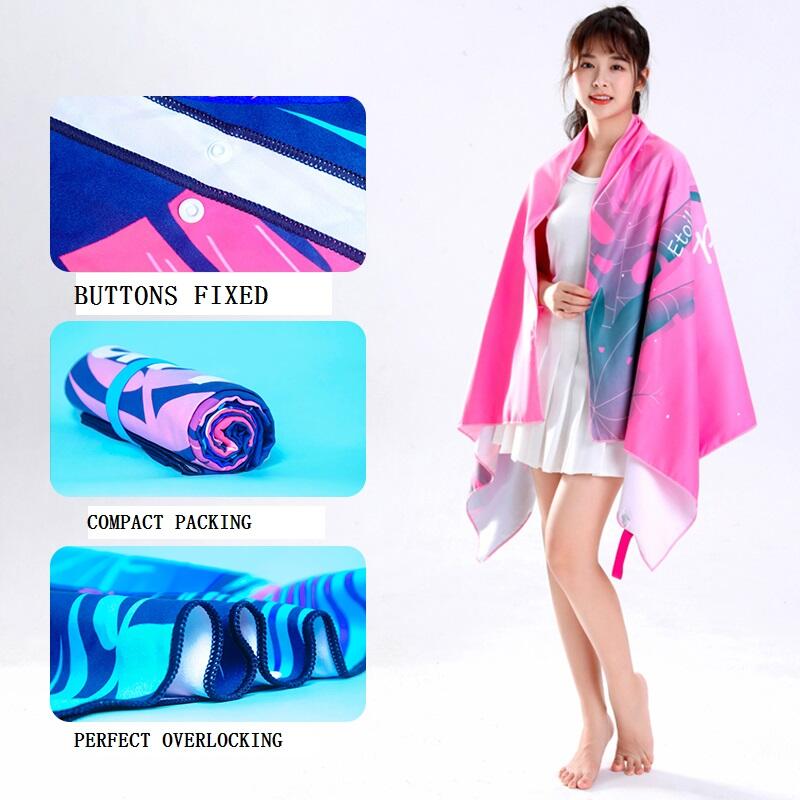
Modern custom beach towel factory facilities typically invest heavily in cutting-edge manufacturing technologies that would be prohibitively expensive for individual retailers to access independently. These technologies might include digital printing systems capable of reproducing complex designs with exceptional color accuracy, automated cutting systems that ensure precise dimensions and minimal waste, or specialized treatment processes that enhance fabric performance characteristics.
The technological capabilities available through manufacturing partnerships also enable rapid prototyping and sample development, allowing retailers to test new concepts quickly and cost-effectively. This rapid iteration capability accelerates product development cycles and reduces the time-to-market for new designs, providing significant competitive advantages in fast-moving fashion and lifestyle markets. The ability to produce small prototype quantities also enables market testing before committing to full production runs.
Material Innovation and Sustainability Initiatives
Leading custom beach towel factory operations often serve as innovation hubs for new material technologies and sustainable manufacturing practices. These facilities typically have access to the latest developments in eco-friendly fibers, water-saving production techniques, and chemical-free treatment processes that individual retailers would struggle to identify and implement independently. This innovation access enables retailers to stay ahead of sustainability trends while meeting evolving consumer expectations.
The collaborative research and development opportunities available through manufacturing partnerships also enable retailers to influence material innovation directions. By communicating specific performance requirements or sustainability goals, retailers can work with factory teams to develop proprietary materials or treatments that address unique market needs. These collaborative innovation projects often result in exclusive access to advanced materials that provide significant competitive advantages in premium market segments.
Market Responsiveness and Trend Adaptation
Rapid Product Line Extensions
The relationship with a custom beach towel factory enables retailers to expand their product lines rapidly in response to market opportunities or consumer demand shifts. When successful designs generate strong sales, retailers can quickly develop complementary products, size variations, or seasonal adaptations without the lengthy procurement cycles typically associated with wholesale purchasing. This responsiveness is particularly valuable during peak selling seasons when the ability to restock popular items quickly can significantly impact overall profitability.
The collaborative design process inherent in custom manufacturing relationships also facilitates cross-merchandising opportunities and coordinated product launches. Retailers can work with their manufacturing partners to develop cohesive product collections that share design elements, color palettes, or functional features, creating stronger visual merchandising opportunities and encouraging multiple-item purchases from customers. This holistic approach to product development strengthens brand identity while maximizing sales per customer transaction.
Seasonal Adaptation and Geographic Customization
Different markets and seasons require different product characteristics, and a custom beach towel factory can accommodate these variations efficiently. Retailers operating in multiple geographic regions can specify different size preferences, color selections, or material weights that align with local climate conditions and cultural preferences. This geographic customization capability enables more effective market penetration while demonstrating sensitivity to local customer needs and preferences.
The seasonal adaptation capabilities available through custom manufacturing partnerships also enable retailers to optimize their product mix for different times of the year. Spring collections might emphasize bright colors and lightweight materials, while late-summer offerings could focus on quick-dry technologies and durability features. This seasonal responsiveness helps maintain customer interest throughout extended selling periods while maximizing the performance of marketing and promotional investments.
Long-term Partnership Benefits
Knowledge Transfer and Capability Development
Extended relationships with a custom beach towel factory often involve significant knowledge transfer that enhances retailer capabilities in product development, quality management, and supply chain optimization. Factory partners typically share insights about material properties, manufacturing constraints, and cost optimization opportunities that help retailers make more informed decisions about product specifications and pricing strategies. This educational aspect of the partnership adds value beyond the immediate manufacturing services.
The collaborative nature of these relationships also enables retailers to develop internal expertise in areas such as technical textile evaluation, quality control procedures, and international shipping logistics. This capability development reduces dependence on external consultants while providing valuable skills that can be applied to other product categories or business expansion initiatives. The knowledge gained through manufacturing partnerships often proves valuable across the retailer's entire operation.
Strategic Planning and Market Intelligence
Experienced custom beach towel factory partners often provide valuable market intelligence based on their work with multiple retailers across different geographic markets. This intelligence might include insights about emerging design trends, material innovations, or consumer preference shifts that help retailers make more informed strategic planning decisions. The broader market perspective available through manufacturing partnerships can significantly enhance competitive intelligence capabilities.
The long-term strategic planning benefits of manufacturing partnerships also extend to capacity planning and business growth initiatives. Retailers can work with their factory partners to ensure adequate production capacity for planned business expansion while negotiating favorable terms for future volume increases. This strategic alignment helps ensure that manufacturing capabilities can support business growth objectives without constraining expansion opportunities or compromising service quality.
FAQ
What minimum order quantities should retailers expect when working with a custom beach towel factory
Minimum order quantities vary significantly depending on the specific customization requirements and factory capabilities, but typically range from 500 to 2,000 pieces per design for initial orders. Factories usually require higher minimums for complex customizations involving multiple colors or special materials, while simpler customizations like single-color screen printing may have lower minimums. Many factories offer tiered pricing structures that provide better per-unit costs as order quantities increase, making it beneficial for retailers to plan their initial orders strategically.
How long does the typical production cycle take for custom beach towels
Standard production cycles for custom beach towel manufacturing typically range from 15 to 30 days after sample approval, depending on the complexity of customization and current factory capacity. This timeline includes material sourcing, production setup, manufacturing, and quality control processes. Rush orders may be accommodated for additional fees, potentially reducing production time to 10-15 days, while highly complex customizations involving special materials or multiple manufacturing steps may require 35-45 days for completion.
What types of customization options are typically available beyond basic logo printing
Modern custom beach towel factory operations offer extensive customization options including custom sizing, material blending, specialized edge treatments, multi-color patterns, reactive dyeing, sublimation printing, embroidery, applique work, and functional enhancements like sand-resistant treatments or quick-dry technologies. Many factories also provide packaging customization, private labeling services, and specialty folding or presentation options. The specific customization capabilities vary by factory, so retailers should discuss their requirements during the initial consultation process.
How do retailers typically manage quality control when working with overseas custom manufacturers
Effective quality control management typically involves establishing detailed product specifications, requiring pre-production samples for approval, implementing staged payment schedules tied to quality milestones, and conducting third-party inspections before shipment. Many retailers also establish long-term relationships with reputable factories that have proven quality management systems and international certifications. Regular communication throughout the production process, clear documentation of quality standards, and maintaining relationships with local quality control services help ensure consistent product quality while minimizing risks associated with overseas manufacturing.
Table of Contents
- Competitive Advantages Through Customization
- Quality Control and Manufacturing Excellence
- Financial Benefits and Cost Structure Optimization
- Innovation and Product Development Capabilities
- Market Responsiveness and Trend Adaptation
- Long-term Partnership Benefits
-
FAQ
- What minimum order quantities should retailers expect when working with a custom beach towel factory
- How long does the typical production cycle take for custom beach towels
- What types of customization options are typically available beyond basic logo printing
- How do retailers typically manage quality control when working with overseas custom manufacturers