
 EN
EN
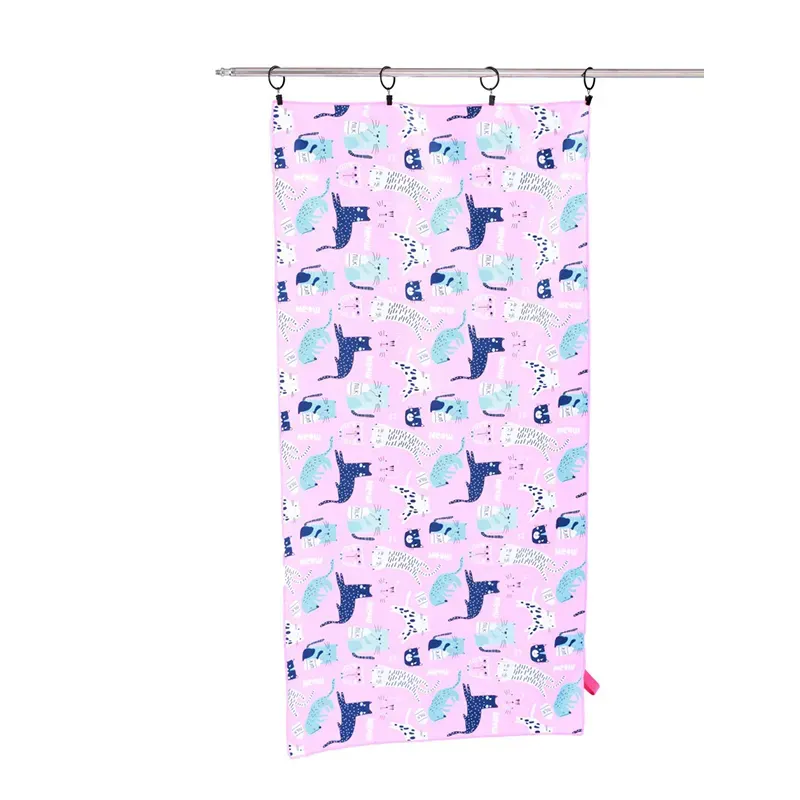
Understanding the optimal weight and thickness specifications for quick dry beach towels is crucial for maximizing their performance in poolside environments. The delicate balance between fabric density, absorption capacity, and drying speed determines whether a towel will excel in outdoor recreational settings or fall short of user expectations.
Poolside towel performance hinges on achieving the precise combination of weight density and fabric thickness that enables rapid moisture evacuation while maintaining sufficient surface area for effective water absorption. The science behind quick dry beach towels reveals that specific weight ranges and thickness measurements directly influence how quickly water molecules are wicked away from both the towel fibers and the user's skin surface.
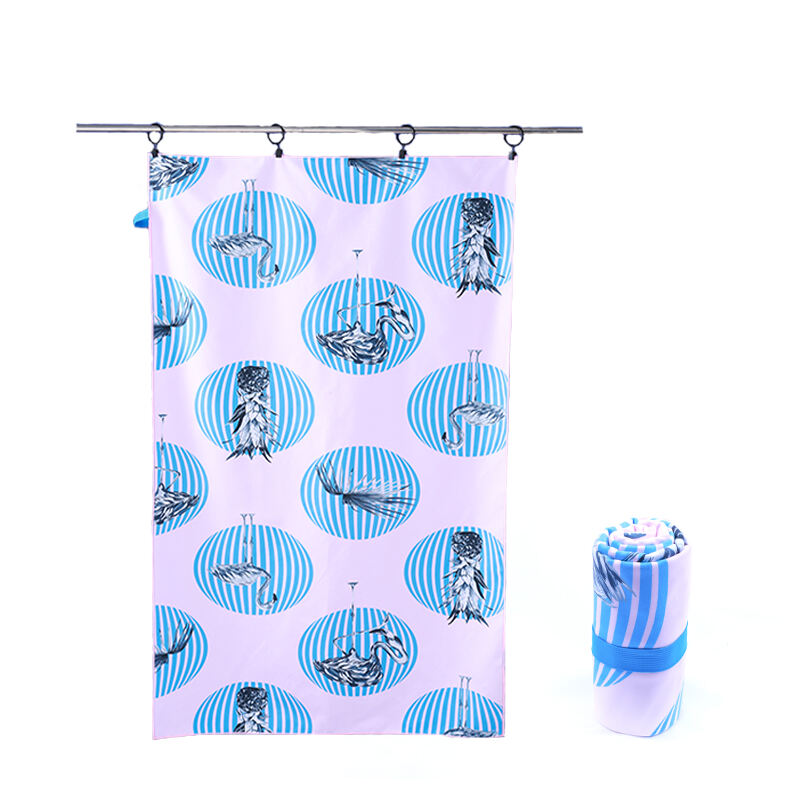
Optimal Weight Specifications for Pool Environment Performance
GSM Range Analysis for Quick Drying Properties
The gram per square meter measurement represents the fundamental weight specification that determines quick dry beach towels performance in poolside applications. Research indicates that towels weighing between 200-350 GSM provide the ideal balance for rapid moisture evacuation while maintaining adequate absorption capacity. This weight range ensures sufficient fiber density to capture water molecules effectively without creating excessive bulk that impedes airflow through the fabric structure.
Towels below 200 GSM often lack the fiber density necessary for effective water absorption, resulting in surface moisture that requires multiple passes to achieve adequate drying. Conversely, towels exceeding 350 GSM typically retain moisture within their dense fiber matrix, significantly extending drying times and reducing their effectiveness for repeated poolside use throughout extended swimming sessions.
The optimal 250-300 GSM range for quick dry beach towels provides the precise balance where fiber density supports rapid capillary action while maintaining sufficient space between fibers for air circulation. This specification enables water molecules to be drawn into the fabric structure and then released efficiently through evaporation, creating the quick-drying performance essential for poolside applications.
Weight Distribution Impact on User Experience
The weight distribution across the towel surface directly affects how quick dry beach towels perform during actual poolside use scenarios. Even weight distribution within the 250-300 GSM range ensures consistent absorption patterns across the entire towel surface, preventing wet spots that compromise drying efficiency. Uniform fiber density prevents water accumulation in specific areas while maintaining predictable performance characteristics throughout the towel's usable life.
Variations in weight distribution can create absorption inconsistencies that reduce the overall effectiveness of quick dry beach towels in poolside environments. Areas with higher GSM concentrations may retain moisture longer, while lighter sections may provide insufficient absorption capacity, creating an uneven drying experience that diminishes user satisfaction and practical utility.
Properly calibrated weight distribution ensures that quick dry beach towels maintain their performance characteristics even after repeated exposure to chlorinated pool water, which can affect fiber integrity over time. The consistent weight profile helps preserve the towel's structural properties and drying capabilities throughout extended poolside use cycles.
Thickness Optimization for Maximum Drying Efficiency
Millimeter Measurements and Fiber Architecture
The thickness specification for quick dry beach towels directly influences the internal fiber architecture that enables rapid moisture evacuation. Optimal thickness measurements range between 3-6 millimeters, creating sufficient space for air circulation while maintaining the fiber density necessary for effective water absorption. This thickness range allows for the creation of microscopic air channels that facilitate rapid moisture transfer from the towel interior to the surface for evaporation.
Towels with thickness measurements below 3 millimeters often lack the three-dimensional fiber structure necessary for efficient water capture and retention during the initial absorption phase. Without adequate thickness, quick dry beach towels cannot create the capillary network required for effective moisture management in poolside environments where rapid water removal is essential.
Excessive thickness beyond 6 millimeters can impede the air circulation necessary for quick drying performance, creating dense fiber zones where moisture becomes trapped rather than efficiently transported to the surface for evaporation. This thickness range optimization ensures that quick dry beach towels maintain their rapid drying characteristics while providing sufficient absorption capacity for practical poolside applications.
Fiber Density and Air Permeability Balance
The relationship between thickness and fiber density determines the air permeability characteristics that enable quick dry beach towels to excel in poolside environments. Optimal thickness specifications create controlled fiber spacing that promotes airflow through the fabric structure while maintaining sufficient contact points for effective water absorption. This balance ensures that moisture can be quickly wicked away from the surface and efficiently released through evaporation.
Air permeability measurements directly correlate with drying speed, making thickness optimization crucial for quick dry beach towels intended for repeated poolside use. The 4-5 millimeter thickness range typically provides the ideal air permeability profile that enables rapid moisture evacuation while maintaining the structural integrity necessary for effective water absorption during initial contact with wet surfaces.
Proper thickness calibration ensures that quick dry beach towels maintain consistent performance characteristics across varying humidity levels and ambient temperature conditions commonly encountered in poolside environments. This thickness optimization prevents moisture retention that could compromise the towel's quick-drying properties during extended outdoor use sessions.
Material Composition Factors Affecting Weight and Thickness Performance
Microfiber Architecture and Density Considerations
The microfiber composition of quick dry beach towels significantly influences how weight and thickness specifications translate into actual poolside performance. Polyester and polyamide blend ratios affect the fiber diameter and packing density, directly impacting the towel's ability to achieve optimal weight distribution within the recommended GSM range. Microfibers with diameters below 1 denier create increased surface area for water contact while maintaining the lightweight characteristics essential for quick drying performance.
The split-fiber technology used in premium quick dry beach towels creates microscopic channels that enhance water absorption capacity without proportionally increasing weight. This technology allows manufacturers to achieve optimal thickness measurements while maintaining lower GSM values, resulting in towels that dry faster while providing superior absorption performance compared to traditional terry cloth alternatives.
Microfiber density optimization enables quick dry beach towels to achieve the precise weight and thickness combination that maximizes poolside utility. The ability to control fiber placement and orientation during manufacturing ensures consistent performance characteristics that meet the specific requirements of outdoor swimming and recreational activities.
Synthetic Blend Ratios and Performance Optimization
The polyester-to-polyamide ratio in quick dry beach towels directly affects how weight and thickness specifications contribute to drying performance. Higher polyester content typically reduces overall weight while maintaining adequate thickness for effective water absorption. Polyamide inclusion enhances the towel's ability to maintain structural integrity at optimal thickness levels while providing the durability necessary for repeated poolside use.
Blend optimization allows manufacturers to fine-tune weight and thickness characteristics to achieve specific performance targets for quick dry beach towels. The 80/20 polyester-polyamide ratio commonly used in high-performance towels provides the ideal balance for maintaining optimal weight specifications while achieving the thickness levels necessary for efficient moisture management in poolside applications.
Synthetic blend ratios affect how quick dry beach towels respond to varying moisture levels and environmental conditions commonly encountered during poolside use. Proper ratio optimization ensures that weight and thickness specifications remain stable across different humidity levels and temperature ranges, maintaining consistent drying performance throughout extended outdoor exposure.
Environmental Factors Influencing Optimal Specifications
Humidity and Temperature Impact on Performance
Environmental humidity levels significantly affect how weight and thickness specifications influence the drying performance of quick dry beach towels in poolside settings. Higher humidity environments require towels with slightly lower GSM values within the optimal range to compensate for reduced evaporation rates. The thickness specification becomes more critical in humid conditions, as proper air circulation through the fabric structure helps maintain drying efficiency despite slower moisture evaporation.
Temperature variations around pool areas affect the molecular activity within quick dry beach towels, influencing how effectively the optimal weight and thickness specifications contribute to moisture evacuation. Higher temperatures accelerate water molecule movement, allowing towels at the upper end of the recommended weight range to maintain quick-drying performance. Cooler conditions may require towels toward the lower GSM range to achieve comparable drying speeds.
The combination of pool deck heating, direct sunlight, and ambient air movement creates microclimates that affect how quick dry beach towels perform at different weight and thickness specifications. Understanding these environmental factors enables users to select towels with specifications optimized for their specific poolside conditions and usage patterns.
Wind and Air Circulation Considerations
Air movement around pool areas significantly influences how weight and thickness specifications affect the drying performance of quick dry beach towels. Enhanced air circulation allows towels with slightly higher GSM values to maintain rapid drying characteristics, as increased airflow facilitates moisture evacuation from the fabric structure. The thickness specification becomes particularly important in low-wind conditions, where internal air circulation through the towel structure provides the primary mechanism for moisture transport.
Pool area design features such as screening, landscaping, and architectural elements affect air movement patterns that influence towel drying performance. Quick dry beach towels used in enclosed or partially sheltered pool areas may require optimization toward the lower end of both weight and thickness ranges to compensate for reduced natural air circulation that would otherwise enhance drying efficiency.
The positioning of quick dry beach towels during use and storage affects how effectively the optimal weight and thickness specifications contribute to drying performance. Towels draped to maximize air exposure can accommodate slightly higher weight specifications while maintaining quick-drying characteristics, while flat placement may require towels optimized toward lower GSM and thickness values for efficient moisture evacuation.
FAQ
What GSM range provides the fastest drying time for poolside towels?
The optimal GSM range for fastest drying quick dry beach towels is 250-300 grams per square meter. This weight specification provides sufficient fiber density for effective water absorption while maintaining the air permeability necessary for rapid moisture evacuation. Towels below 250 GSM may lack absorption capacity, while those above 300 GSM tend to retain moisture longer, reducing drying efficiency in poolside environments.
How does thickness affect the absorption capacity of quick dry towels?
Thickness between 4-5 millimeters optimizes absorption capacity for quick dry beach towels by creating the ideal fiber architecture for water capture and release. This thickness range provides sufficient three-dimensional structure for effective moisture wicking while maintaining air circulation pathways that enable rapid drying. Thinner towels lack absorption capacity, while thicker options may trap moisture and slow drying times.
Can environmental humidity affect the optimal towel specifications for pool use?
Environmental humidity significantly affects optimal specifications for quick dry beach towels in poolside applications. High humidity environments benefit from towels at the lower end of the recommended weight range (250-275 GSM) to compensate for slower evaporation rates. The thickness specification becomes more critical in humid conditions, as proper air circulation through the 4-5 millimeter range helps maintain drying efficiency despite challenging environmental conditions.
Do heavier towels always dry slower than lighter alternatives?
Heavier towels do not always dry slower when weight specifications remain within the optimal 250-300 GSM range for quick dry beach towels. The relationship between weight and drying speed depends on fiber architecture, density distribution, and thickness optimization. Properly designed towels at 300 GSM can dry as quickly as 250 GSM alternatives when thickness and fiber structure are optimized for air circulation and moisture transport in poolside environments.