
 EN
EN
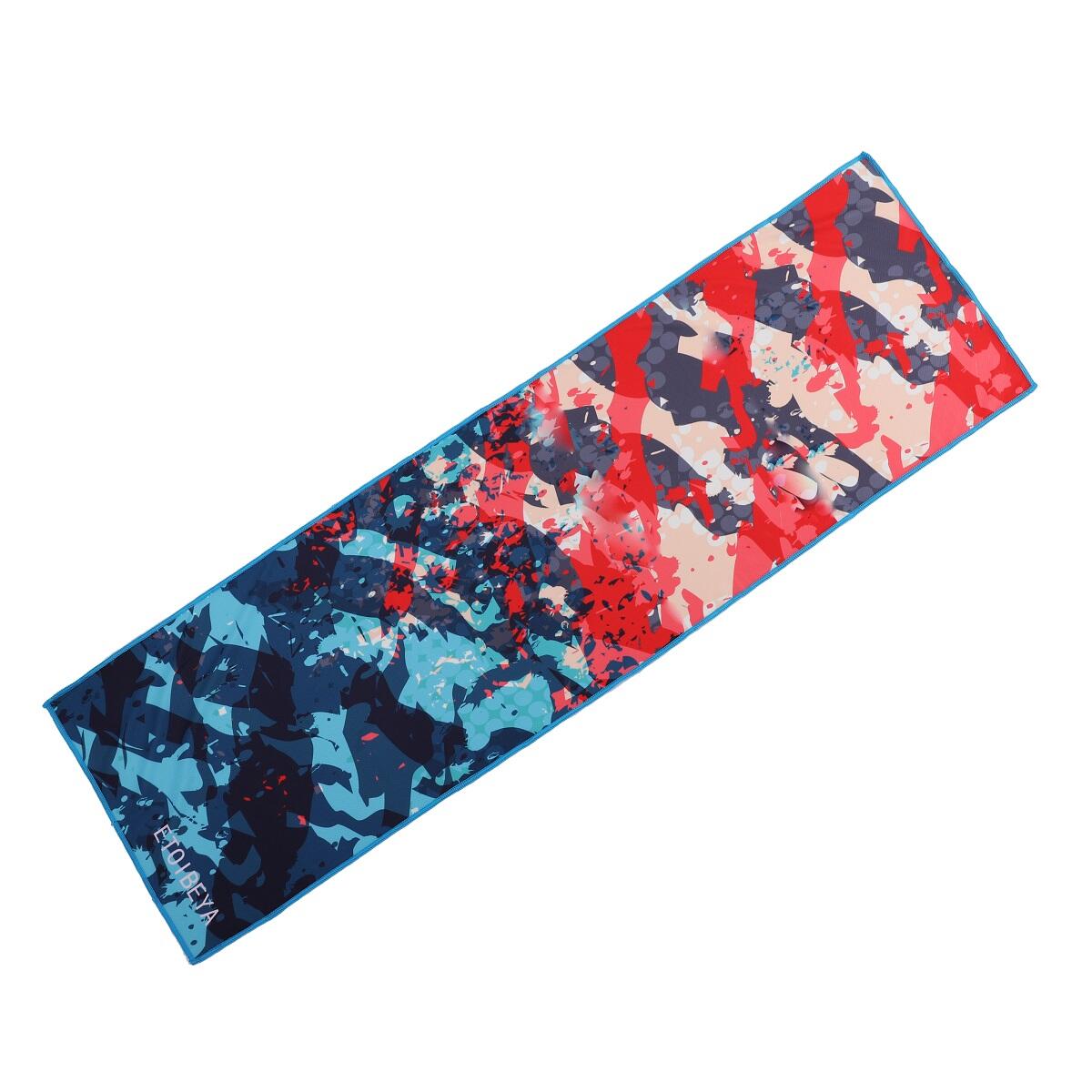
Hot yoga towels employ advanced moisture management and antimicrobial technologies to combat the persistent odor challenges that arise during intensive studio sessions. These specialized textiles are engineered with unique fiber compositions, specialized weaving techniques, and integrated treatment systems that work synergistically to prevent bacterial growth and neutralize odor-causing compounds that typically accumulate during high-frequency use in heated environments.
The odor control mechanism in quality hot yoga towels operates through multiple layers of protection, from the molecular level fiber treatment to the macroscopic fabric construction. Understanding these mechanisms reveals why certain towels maintain freshness even after multiple daily sessions, while others quickly develop persistent odors that resist standard washing. This comprehensive approach to odor prevention makes hot yoga towels essential equipment for serious practitioners and studio operators who prioritize hygiene and user experience.
Advanced Fiber Technology and Antimicrobial Integration
Microfiber Composition and Moisture Management
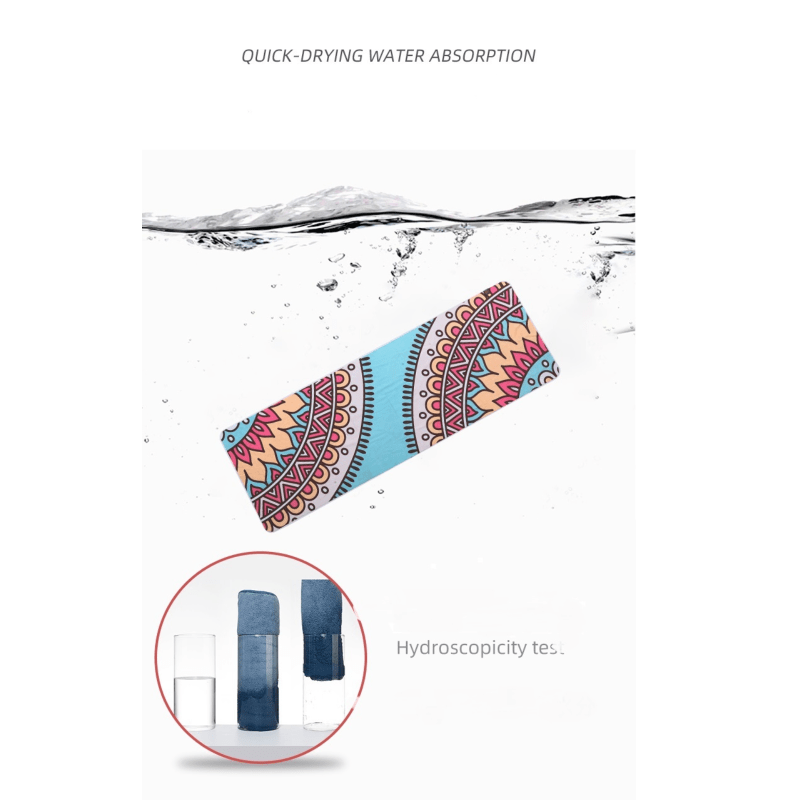
Hot yoga towels utilize specially engineered microfiber compositions that create a hostile environment for odor-producing bacteria. These synthetic fibers, typically composed of polyester and polyamide blends, feature microscopic structures that wick moisture away from the surface while preventing bacterial colonization. The ultrafine fiber diameter, often measuring less than one denier, creates millions of capillary channels that rapidly transport perspiration away from the skin contact zone.
The moisture management capability of these hot yoga towels operates through a gradient system where moisture moves from high-concentration areas to low-concentration zones. This continuous moisture evacuation prevents the accumulation of perspiration that serves as a breeding medium for anaerobic bacteria responsible for producing volatile sulfur compounds and organic acids that create characteristic gym odors.
Advanced hot yoga towels incorporate silver ion technology directly into the fiber matrix during the manufacturing process. Silver ions possess inherent antimicrobial properties that disrupt bacterial cell walls and inhibit enzyme production, effectively preventing the metabolic processes that generate odor compounds. This integration at the molecular level ensures that antimicrobial protection remains active throughout the towel's lifespan, even after repeated washing cycles.
Synthetic Fiber Architecture and Bacterial Resistance
The synthetic nature of quality hot yoga towels provides fundamental advantages over natural fiber alternatives in odor prevention. Synthetic fibers lack the protein structures and organic compounds that bacteria typically consume as nutrients, creating an inherently inhospitable environment for microbial growth. This synthetic composition also allows for precise control over fiber surface characteristics and chemical treatments.
Modern hot yoga towels feature engineered fiber surfaces with reduced surface roughness and controlled porosity that minimize bacterial adhesion sites. The smooth synthetic surfaces prevent bacteria from establishing biofilm colonies, which are the primary source of persistent odor development in textile products. Additionally, the controlled porosity allows for optimal air circulation while maintaining moisture-wicking efficiency.
Chemical binding agents used in advanced hot yoga towels create permanent bonds between antimicrobial compounds and fiber molecules. These covalent bonds ensure that odor-fighting treatments remain active even after exposure to high temperatures, alkaline detergents, and repeated mechanical washing stresses that characterize high-frequency studio use environments.
Multi-Layered Fabric Construction and Airflow Engineering
Dual-Layer Design and Moisture Distribution
Professional-grade hot yoga towels employ sophisticated dual-layer construction that separates moisture absorption from moisture release functions. The top layer, which contacts the practitioner's skin, features dense microfiber construction optimized for rapid liquid absorption and immediate moisture transfer. This layer utilizes capillary action principles to pull perspiration away from skin contact points before bacterial colonization can occur.
The bottom layer of advanced hot yoga towels incorporates larger fiber structures and more open weave patterns that facilitate rapid moisture evaporation and air circulation. This layer functions as a moisture distribution system that spreads absorbed perspiration across a larger surface area, accelerating evaporation rates and preventing the formation of saturated zones where bacteria typically proliferate.
The interface between these layers creates a moisture gradient that continuously drives liquid away from the surface. This engineered moisture flow prevents the accumulation of stagnant perspiration that provides ideal conditions for anaerobic bacterial growth and subsequent odor development. The result is a towel that remains substantially drier at skin contact points even during intense practice sessions.
Ventilation Channels and Air Circulation Systems
Cutting-edge hot yoga towels incorporate ventilation channels woven directly into the fabric structure. These channels create preferential airflow pathways that enhance convective cooling and accelerate moisture evaporation from internal fabric layers. The strategic placement of these channels corresponds to high-perspiration zones identified through biomechanical analysis of yoga practice patterns.
The three-dimensional fabric architecture found in premium hot yoga towels creates micro-air pockets that serve as insulation barriers and moisture buffering zones. These air pockets prevent the formation of moisture films on the towel surface while providing thermal regulation that reduces overall perspiration rates during practice. The engineered air circulation also ensures that any moisture reaching the fabric interior quickly reaches equilibrium with ambient humidity levels.
Advanced hot yoga towels utilize directional weave patterns that create preferential airflow directions aligned with natural body heat dissipation patterns. This optimization ensures maximum cooling efficiency while maintaining the structural integrity required for demanding yoga movements and repeated washing cycles typical of high-frequency studio environments.
Chemical Treatment Systems and Long-Term Odor Prevention
Permanent Antimicrobial Bonding Technologies
Hot yoga towels designed for commercial studio applications undergo specialized chemical treatment processes that create permanent antimicrobial barriers. These treatments utilize quaternary ammonium compounds, triclosan derivatives, or advanced silver-based systems that form irreversible chemical bonds with synthetic fiber molecules. The permanence of these bonds ensures consistent odor protection throughout the towel's service life.
The application process for these antimicrobial treatments involves precise temperature and pH control during fiber production or post-manufacturing treatment phases. Hot yoga towels treated using these advanced methods demonstrate sustained antimicrobial efficacy even after hundreds of washing cycles, making them ideal for high-turnover studio environments where towels experience daily use and cleaning.
Quality control testing for antimicrobial hot yoga towels includes standardized bacterial reduction assays that measure effectiveness against common odor-producing bacterial strains including Staphylococcus aureus and Escherichia coli. These tests ensure that treated towels maintain at least 99.9% bacterial reduction rates under simulated high-use conditions that replicate intensive studio environments.
pH Balance and Chemical Neutralization
Advanced hot yoga towels incorporate pH buffering systems that maintain optimal chemical conditions for odor prevention. Human perspiration typically exhibits acidic pH levels that can promote certain types of bacterial growth and chemical reactions that generate malodorous compounds. The buffering systems in quality towels neutralize these pH fluctuations and maintain chemical environments hostile to odor-producing organisms.
Chemical neutralization capabilities in hot yoga towels extend beyond simple pH control to include specific binding agents that capture and neutralize ammonia compounds, organic acids, and other metabolic byproducts that contribute to persistent odors. These binding agents work continuously during use, preventing odor compound accumulation even during extended practice sessions.
The integration of activated carbon particles or similar adsorbent materials in some hot yoga towels provides additional odor control through physical adsorption mechanisms. These materials capture volatile organic compounds responsible for odors and hold them until they can be released during washing cycles, ensuring that odors do not accumulate in the fabric matrix over time.
Maintenance Protocols and Sustained Performance
Washing System Optimization
Effective odor control in hot yoga towels requires specific washing protocols that maintain antimicrobial treatments while ensuring complete removal of perspiration residues and bacterial contaminants. Professional studio operations typically employ high-temperature washing cycles between 140-160 degrees Fahrenheit, combined with specialized detergent formulations that enhance antimicrobial efficacy rather than degrading protective treatments.
The synthetic composition of quality hot yoga towels allows them to withstand aggressive washing conditions that would damage natural fiber alternatives. This durability enables the use of oxygen bleach systems and enzymatic detergents that break down protein-based odor compounds while preserving antimicrobial fiber treatments. Regular washing with these optimized protocols ensures that towels maintain peak odor-fighting performance throughout their service life.
Proper drying protocols for hot yoga towels involve controlled heat exposure that activates antimicrobial treatments while ensuring complete moisture removal. Commercial-grade drying systems that maintain temperatures between 120-140 degrees Fahrenheit provide optimal conditions for reactivating silver ion or other antimicrobial systems while preventing the thermal damage that can compromise fiber integrity and odor-fighting capabilities.
Performance Monitoring and Replacement Indicators
Professional studios monitor hot yoga towels performance through systematic odor assessment protocols that identify when antimicrobial treatments begin to degrade. These monitoring systems typically involve standardized sniff tests conducted after controlled washing and drying cycles, combined with bacterial culture testing that measures actual antimicrobial efficacy over time.
Visual indicators of declining performance in hot yoga towels include persistent staining, reduced moisture absorption rates, and fabric texture changes that indicate fiber degradation. These physical indicators often correlate with reduced antimicrobial effectiveness and serve as practical replacement triggers for studio operators managing large towel inventories.
Advanced hot yoga towels designed for commercial applications may incorporate chemical indicators that change color when antimicrobial treatments fall below effective thresholds. These indicators provide objective replacement timing guidance that helps studios maintain consistent hygiene standards while optimizing towel replacement costs and inventory management efficiency.
FAQ
How long do antimicrobial treatments in hot yoga towels remain effective?
Antimicrobial treatments in quality hot yoga towels typically maintain effectiveness for 200-500 washing cycles when properly maintained. Silver ion treatments generally provide the longest-lasting protection, while surface-applied treatments may require more frequent replacement. The actual lifespan depends on washing temperature, detergent chemistry, and frequency of use in studio environments.
Can hot yoga towels completely eliminate odors in high-humidity studio environments?
While hot yoga towels significantly reduce odor development, complete elimination requires proper ventilation, appropriate washing protocols, and regular towel replacement. The towels work by preventing bacterial colonization and neutralizing odor compounds, but extremely high humidity and inadequate air circulation can overwhelm even advanced antimicrobial systems during peak usage periods.
Do natural fiber hot yoga towels provide comparable odor control to synthetic alternatives?
Natural fiber towels generally provide inferior odor control compared to synthetic hot yoga towels because natural fibers contain proteins and organic compounds that bacteria use as nutrients. While natural fibers can be treated with antimicrobial agents, these treatments typically have shorter lifespans and lower effectiveness than the integrated antimicrobial systems possible with synthetic fiber construction.
What washing temperature is optimal for maintaining odor control in hot yoga towels?
Washing temperatures between 140-160 degrees Fahrenheit provide optimal odor control while preserving antimicrobial treatments in hot yoga towels. Lower temperatures may not effectively kill bacteria and remove protein-based odor compounds, while higher temperatures can degrade synthetic fibers and permanently bonded antimicrobial treatments, reducing long-term effectiveness.
Table of Contents
- Advanced Fiber Technology and Antimicrobial Integration
- Multi-Layered Fabric Construction and Airflow Engineering
- Chemical Treatment Systems and Long-Term Odor Prevention
- Maintenance Protocols and Sustained Performance
-
FAQ
- How long do antimicrobial treatments in hot yoga towels remain effective?
- Can hot yoga towels completely eliminate odors in high-humidity studio environments?
- Do natural fiber hot yoga towels provide comparable odor control to synthetic alternatives?
- What washing temperature is optimal for maintaining odor control in hot yoga towels?