
 EN
EN
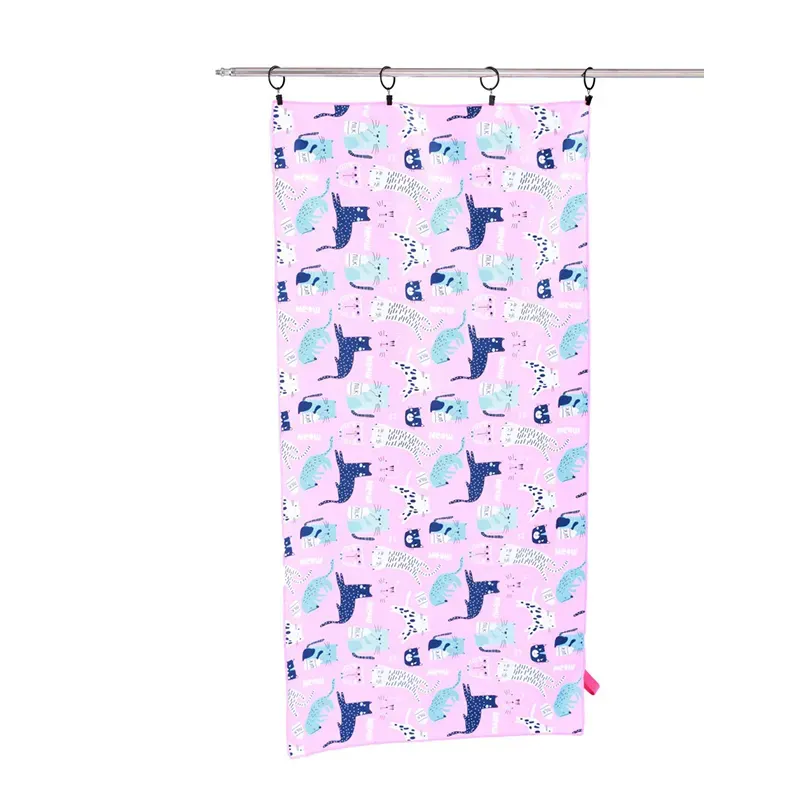
Sports centers face unique challenges when it comes to towel durability, particularly with quick dry beach towels that endure constant washing cycles, heavy usage, and demanding commercial laundry conditions. Understanding which manufacturing choices directly impact the longevity of these essential textiles can significantly reduce replacement costs while maintaining the high-quality standards that sports facilities require.
The manufacturing decisions that influence towel lifespan extend far beyond basic material selection, encompassing fiber processing techniques, construction methods, finishing treatments, and quality control measures. These choices determine whether quick dry beach towels will withstand the rigorous demands of commercial sports environments or require frequent replacement, affecting both operational efficiency and budget allocation.
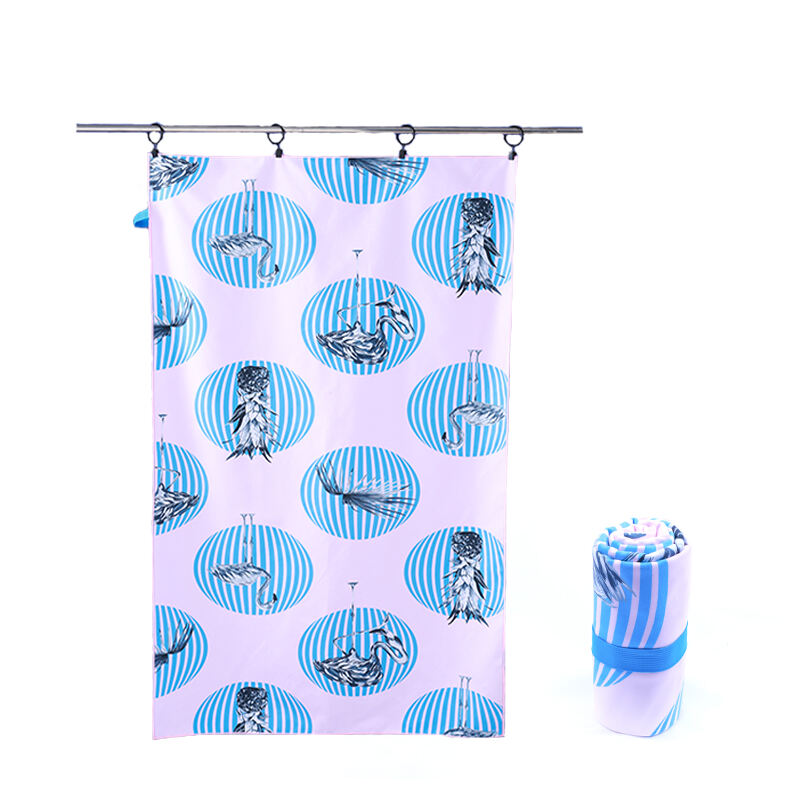
Fiber Selection and Processing Impact on Towel Durability
Microfiber Composition and Density Considerations
The foundation of durable quick dry beach towels begins with precise microfiber composition, where the denier measurement and split ratio of synthetic fibers directly correlate with longevity. Manufacturing processes that utilize microfibers with consistent denier measurements between 0.3 to 0.7 create optimal balance between absorbency and structural integrity, ensuring towels maintain their quick-drying properties while resisting fiber breakdown under repeated stress.
Advanced manufacturing techniques employ controlled splitting processes that create uniform microfiber density throughout the fabric structure. This consistency prevents weak points that commonly develop in quick dry beach towels subjected to frequent washing and heavy usage patterns typical in sports center environments. The split ratio between polyester and polyamide components significantly influences both moisture management and fabric resilience.
Quality manufacturers implement fiber testing protocols during production to verify tensile strength and elasticity retention, ensuring quick dry beach towels meet performance standards before reaching commercial facilities. These testing procedures identify potential durability issues early in the manufacturing process, allowing for adjustments that enhance the final product's lifespan in demanding operational conditions.
Yarn Construction and Twist Optimization
The twist level applied to yarns during manufacturing directly affects the structural integrity of quick dry beach towels, with optimal twist ratios preventing fiber slippage while maintaining the open structure necessary for rapid moisture evaporation. Manufacturing processes that carefully balance yarn twist create fabrics that resist pilling and maintain their texture through hundreds of washing cycles.
Advanced yarn construction techniques incorporate multi-filament structures that distribute stress evenly across the fiber matrix, reducing the likelihood of individual fiber failure that can compromise towel performance. This construction method ensures quick dry beach towels retain their dimensional stability and absorbent capacity throughout their service life in sports facilities.
Precision in yarn tension control during the manufacturing process prevents uneven stress distribution that commonly leads to premature wear in high-use areas. This attention to construction details translates directly into extended service life for quick dry beach towels in commercial applications where consistent performance is essential.
Weaving Techniques and Fabric Architecture
Loop Pile Construction Methods
Manufacturing choices in loop pile construction significantly influence the durability and functionality of quick dry beach towels, with specific loop heights and densities optimized for commercial sports center usage. The pile construction method determines how effectively towels resist snag damage while maintaining the surface area necessary for rapid moisture absorption and release.
Controlled loop formation during manufacturing ensures uniform pile height across the entire towel surface, preventing irregular wear patterns that can develop when quick dry beach towels experience heavy usage. The consistency achieved through precision manufacturing techniques directly correlates with extended product lifespan and maintained performance characteristics.
Advanced loop pile construction incorporates reinforcement techniques at the base of each loop, creating stronger anchor points that resist pulling and tearing forces common in sports center environments. These manufacturing innovations ensure quick dry beach towels maintain their structural integrity even under the aggressive washing and drying cycles required in commercial laundry operations.
Edge Finishing and Reinforcement Strategies
The edge finishing methods employed during manufacturing play a crucial role in preventing unraveling and fraying that commonly compromise the lifespan of quick dry beach towels in commercial settings. Professional-grade edge treatments utilize specialized stitching patterns and reinforcement techniques that withstand the mechanical stress of industrial washing equipment.
Manufacturing processes that incorporate double-fold hemming with reinforced stitching create edges that resist the constant handling and washing cycles typical in sports facilities. These construction choices ensure quick dry beach towels maintain their appearance and functionality throughout their service life, reducing replacement frequency and associated costs.
Strategic reinforcement placement at stress concentration points, including corners and fold lines, represents a critical manufacturing decision that extends towel lifespan. These reinforcements distribute mechanical loads more effectively, preventing the localized failures that often initiate broader fabric deterioration in quick dry beach towels subjected to heavy commercial use.
Chemical Treatments and Finishing Processes
Anti-Microbial Treatment Integration
Manufacturing decisions regarding antimicrobial treatments significantly impact both the hygiene performance and longevity of quick dry beach towels in sports center applications. The selection of treatment chemistry and application methods determines whether these protective properties remain effective through repeated washing cycles while preserving the underlying fabric structure.
Advanced manufacturing processes utilize molecular-level treatment integration that bonds antimicrobial agents directly to fiber surfaces, creating lasting protection that doesn't wash out or compromise fabric integrity. This approach ensures quick dry beach towels maintain their hygienic properties throughout their service life while avoiding the fiber degradation associated with surface-applied treatments.
The timing of antimicrobial treatment application during manufacturing affects both treatment durability and fabric performance, with optimal integration occurring at specific stages of the production process. These carefully orchestrated manufacturing sequences ensure quick dry beach towels receive maximum protection without compromising their quick-drying characteristics or structural integrity.
Water Repellency and Moisture Management Coatings
Manufacturing choices in moisture management coatings directly influence how effectively quick dry beach towels perform their primary function while maintaining structural integrity over time. The selection and application of hydrophilic and hydrophobic treatments must be precisely balanced to ensure rapid moisture absorption and release without creating coating buildup that can compromise fabric flexibility.
Professional manufacturing processes employ gradient coating techniques that create optimal moisture flow patterns through the fabric structure, enhancing drying speed while preventing the accumulation of residues that can degrade quick dry beach towels over time. These sophisticated coating applications maintain their effectiveness through hundreds of commercial washing cycles.
The chemical compatibility between moisture management treatments and other fabric finishes represents a critical manufacturing consideration, as incompatible treatments can create chemical reactions that weaken fiber structures. Proper treatment sequencing and compatibility testing ensure quick dry beach towels maintain their performance characteristics throughout their intended service life.
Quality Control and Testing Protocols
Durability Testing Standards
Comprehensive durability testing during manufacturing provides essential data about how quick dry beach towels will perform under real-world sports center conditions. Testing protocols that simulate repeated washing cycles, mechanical stress, and chemical exposure help identify potential failure modes before products reach commercial facilities, enabling manufacturing adjustments that extend product lifespan.
Advanced manufacturing facilities implement accelerated aging tests that compress months of normal usage into abbreviated testing periods, revealing how quick dry beach towels will perform over their intended service life. These testing procedures validate manufacturing choices and identify optimization opportunities that enhance durability without compromising performance.
Standardized testing protocols for tensile strength, dimensional stability, and color retention ensure quick dry beach towels meet specific performance criteria before shipment to commercial customers. These quality control measures provide confidence that manufacturing decisions will translate into reliable long-term performance in demanding sports center environments.
Batch Consistency and Process Control
Manufacturing process control systems ensure consistent quality across production batches of quick dry beach towels, preventing variations that could lead to premature failure in commercial applications. Automated monitoring of temperature, pressure, and chemical concentrations maintains optimal processing conditions throughout production runs.
Statistical process control methods track key manufacturing parameters to identify trends that might affect product durability, enabling proactive adjustments before quality issues develop. This systematic approach ensures quick dry beach towels consistently meet durability specifications regardless of production volume or timing.
Comprehensive batch documentation and traceability systems enable manufacturers to correlate specific production parameters with field performance data, facilitating continuous improvement in manufacturing processes that enhance the longevity of quick dry beach towels in sports center applications.
FAQ
How do manufacturing choices affect the drying speed of quick dry beach towels in sports centers?
Manufacturing decisions regarding fiber structure, weave density, and moisture management treatments directly impact drying speed by controlling how efficiently water moves through the fabric matrix and evaporates from surfaces. Optimal manufacturing processes create open fiber structures with controlled capillary action that accelerates moisture transfer while maintaining the fabric integrity necessary for extended commercial use.
What manufacturing factors determine how well quick dry beach towels resist odor development in high-usage environments?
The integration of antimicrobial treatments during manufacturing, combined with fabric construction choices that prevent moisture retention, determines odor resistance effectiveness. Manufacturing processes that create proper ventilation channels through fabric structure while incorporating molecular-level antimicrobial protection ensure quick dry beach towels maintain freshness through repeated usage cycles in sports facilities.
How do construction methods impact the color retention of quick dry beach towels under frequent washing?
Manufacturing choices in dye application methods, fiber treatment sequences, and chemical finishing processes significantly influence color fastness under commercial laundry conditions. Advanced manufacturing techniques that utilize solution-dyed fibers and compatible chemical treatments ensure quick dry beach towels maintain their appearance through hundreds of washing cycles without fading or color bleeding.
Which manufacturing quality control measures best predict long-term durability of quick dry beach towels?
Accelerated aging tests, tensile strength measurements, and dimensional stability assessments during manufacturing provide the most reliable indicators of long-term durability. These testing protocols simulate years of commercial use in compressed timeframes, validating that manufacturing choices will produce quick dry beach towels capable of withstanding the demanding conditions typical in sports center environments.
Table of Contents
- Fiber Selection and Processing Impact on Towel Durability
- Weaving Techniques and Fabric Architecture
- Chemical Treatments and Finishing Processes
- Quality Control and Testing Protocols
-
FAQ
- How do manufacturing choices affect the drying speed of quick dry beach towels in sports centers?
- What manufacturing factors determine how well quick dry beach towels resist odor development in high-usage environments?
- How do construction methods impact the color retention of quick dry beach towels under frequent washing?
- Which manufacturing quality control measures best predict long-term durability of quick dry beach towels?