
 EN
EN
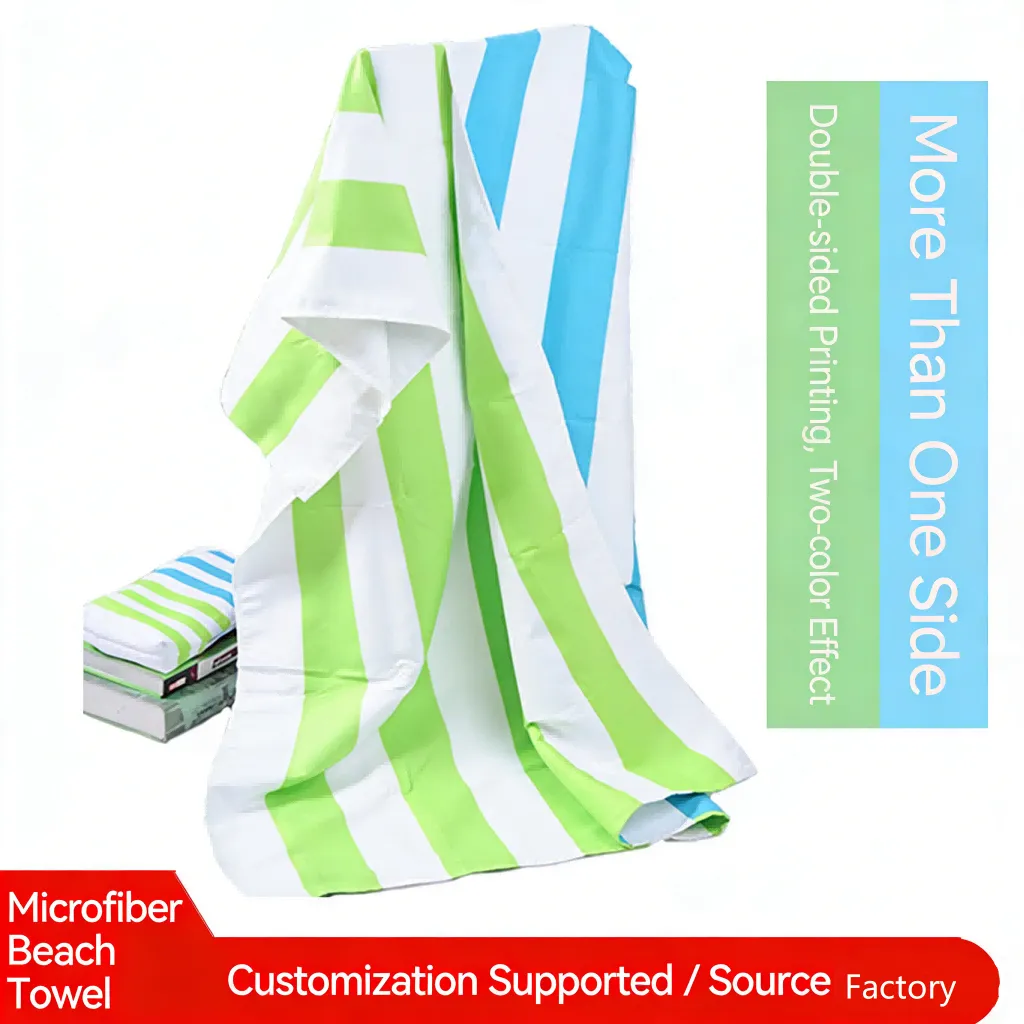
Modern travelers and athletes constantly seek gear that maximizes performance while minimizing bulk, and travel towels represent a perfect example of this engineering challenge. The key to creating compact yet highly absorbent travel towels lies in the careful selection and engineering of lightweight fabrics that can deliver exceptional moisture-wicking properties without sacrificing portability. Understanding which lightweight fabrics offer the optimal balance between compactness and absorbency helps consumers make informed decisions for their specific travel and activity needs.
The science behind lightweight fabrics for travel towels involves sophisticated textile engineering that manipulates fiber structure, weave patterns, and surface treatments to achieve maximum absorbency per unit weight. These specialized lightweight fabrics utilize advanced manufacturing techniques to create microscopic channels and increased surface area that dramatically enhance water absorption while maintaining minimal bulk. The most effective travel towel fabrics combine synthetic materials with innovative construction methods to deliver performance that often exceeds traditional cotton towels at a fraction of the weight and size.
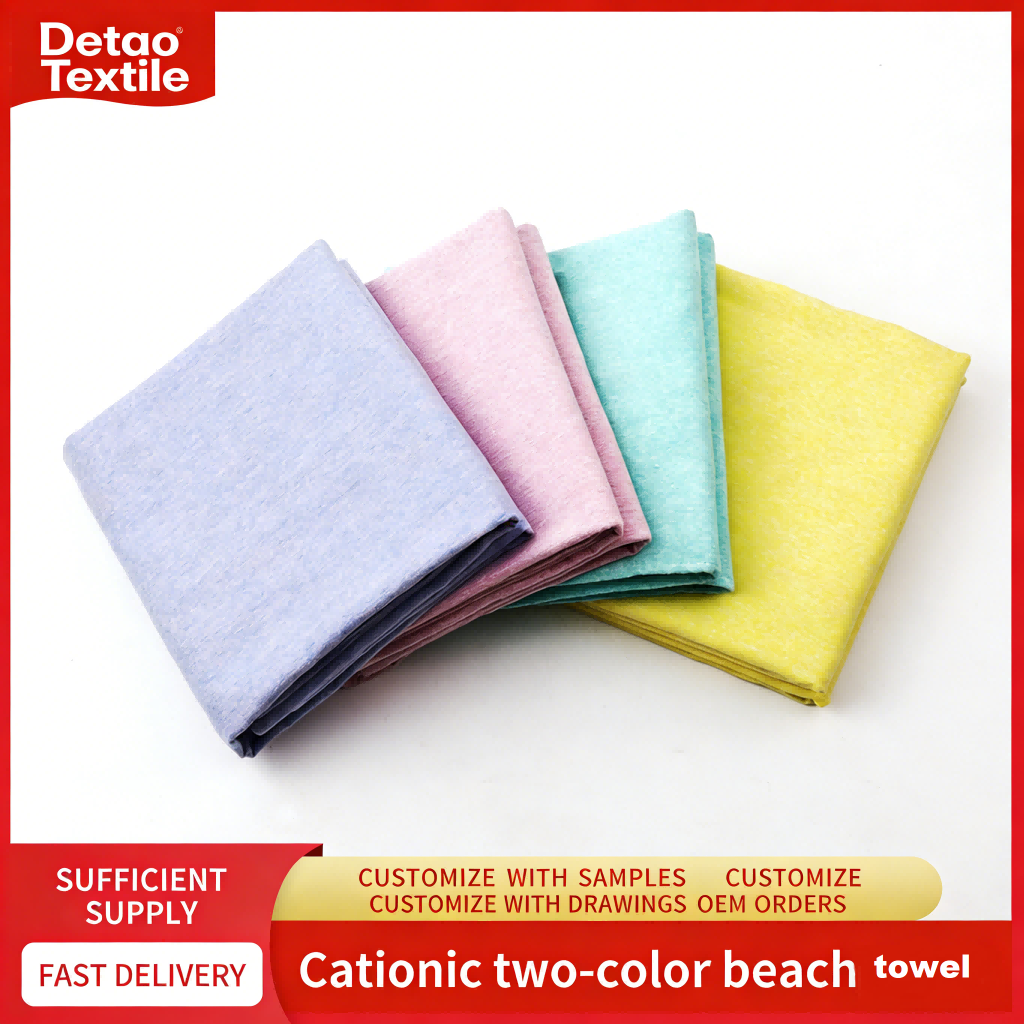
Advanced Synthetic Fiber Technologies
Microfiber Polyester Compositions
Microfiber polyester stands as one of the most revolutionary lightweight fabrics for travel towels, utilizing fibers that are 100 times finer than human hair to create extraordinary absorbency. These ultra-fine synthetic fibers create millions of microscopic spaces between filaments, dramatically increasing the surface area available for water absorption. The lightweight nature of microfiber polyester allows manufacturers to pack tremendous absorbency into remarkably compact packages, with some travel towels absorbing up to eight times their weight in water while folding down to pocket size.
The manufacturing process for microfiber polyester lightweight fabrics involves splitting polymer fibers into incredibly thin strands that create capillary action for superior moisture wicking. This advanced textile technology produces fabrics that are inherently quick-drying due to the increased surface area exposure and reduced fiber density. The synthetic nature of these lightweight fabrics also provides inherent antimicrobial properties and resistance to odor retention, making them ideal for extended travel where frequent washing may not be possible.
Polyamide Blend Technologies
Polyamide-based lightweight fabrics, commonly incorporating nylon variants, offer exceptional durability and absorbency characteristics that make them particularly suitable for high-performance travel towels. These lightweight fabrics utilize the inherent strength and elasticity of polyamide fibers to create textiles that can withstand repeated compression and expansion without losing their absorbent properties. The molecular structure of polyamide allows for excellent moisture transport while maintaining the lightweight characteristics essential for travel gear.
Advanced polyamide lightweight fabrics often incorporate specialized weaving techniques that create three-dimensional fiber structures, maximizing water-holding capacity while minimizing weight. These fabrics demonstrate remarkable resilience to environmental factors such as salt water, chlorine, and UV exposure, making them particularly valuable for beach and pool travel scenarios. The lightweight properties of polyamide blends allow for towels that can be compressed to extremely small sizes while maintaining their ability to expand to full functionality when needed.
Natural and Hybrid Fiber Solutions
Bamboo-Derived Lightweight Fabrics
Bamboo fiber represents an innovative category of lightweight fabrics that combines natural sustainability with exceptional performance characteristics for travel towels. The cellular structure of bamboo creates naturally hollow fibers that provide excellent absorbency while maintaining significantly lower weight than traditional cotton alternatives. These lightweight fabrics derived from bamboo also possess inherent antibacterial properties due to a natural antimicrobial agent called bamboo kun, which helps prevent odor development during extended use.
The processing of bamboo into lightweight fabrics for travel towels involves converting the plant material into regenerated cellulose fibers that maintain many of the beneficial properties of the original bamboo structure. These lightweight fabrics offer superior moisture absorption and quick-drying capabilities compared to conventional natural fibers. The smooth surface of bamboo-derived fibers creates a luxurious feel while the lightweight nature allows for exceptional compressibility, making these towels ideal for space-conscious travelers who refuse to compromise on comfort.
Cotton-Synthetic Hybrid Constructions
Hybrid lightweight fabrics that combine cotton fibers with synthetic materials represent an advanced approach to travel towel construction that leverages the best properties of both fiber types. These blended lightweight fabrics typically utilize cotton for its natural absorbency and comfort while incorporating synthetic fibers to reduce weight and improve quick-drying characteristics. The strategic combination allows manufacturers to create towels that feel familiar and comfortable while delivering the performance advantages of modern textile technology.
The engineering of cotton-synthetic hybrid lightweight fabrics often involves varying the ratio of natural to synthetic fibers to optimize specific performance characteristics. Higher cotton content provides enhanced absorbency and natural feel, while increased synthetic content improves compressibility and drying speed. These lightweight fabrics can be engineered with specific weave patterns that enhance the natural properties of cotton while compensating for its traditional weight and bulk disadvantages through synthetic fiber integration.
Specialized Weave and Construction Techniques
Waffle Weave Patterns
Waffle weave construction represents a sophisticated approach to creating lightweight fabrics that maximize surface area for absorption while minimizing overall fabric density. This specialized weaving technique creates a three-dimensional honeycomb-like structure that dramatically increases the fabric surface area available for water contact. The raised and recessed pattern of waffle weave lightweight fabrics allows for superior air circulation, promoting faster drying while maintaining exceptional absorbency per unit weight.
The geometric efficiency of waffle weave patterns allows manufacturers to use less raw material while creating lightweight fabrics with enhanced performance characteristics. The structured channels created by the weave pattern facilitate moisture transportation away from the user's skin while providing multiple layers of absorbent surface within a compact fabric thickness. These lightweight fabrics utilizing waffle weave construction can achieve remarkable compression ratios, often reducing to one-tenth their expanded size while maintaining their ability to absorb substantial amounts of moisture.
Terry Loop Innovations
Modern terry loop constructions in lightweight fabrics represent a significant advancement over traditional toweling, utilizing precisely engineered loop heights and densities to optimize absorbency while minimizing weight. These innovative lightweight fabrics employ computer-controlled looming techniques to create uniform loop structures that maximize water-holding capacity per gram of material. The loop construction can be varied across different areas of the towel to provide enhanced absorbency in high-use zones while maintaining overall lightweight characteristics.
Advanced terry loop lightweight fabrics often incorporate multiple loop heights within the same textile, creating varied absorption zones that enhance overall performance efficiency. The engineering of these loops considers factors such as fiber tension, loop density, and backing fabric integration to create textiles that compress efficiently while maintaining structural integrity. These specialized lightweight fabrics can provide the familiar feel of traditional terry towels while delivering the space-saving advantages essential for modern travel applications.
Performance Enhancement Technologies
Moisture-Wicking Treatments
Chemical treatments applied to lightweight fabrics can significantly enhance their moisture management properties without adding substantial weight or bulk to travel towels. Hydrophilic treatments modify the surface chemistry of synthetic fibers to improve their natural moisture affinity, allowing lightweight fabrics to absorb water more readily and distribute it more effectively throughout the textile structure. These treatments can be applied during manufacturing or as post-production finishes to enhance the performance of various base fabric types.
Advanced moisture-wicking treatments for lightweight fabrics often involve nanotechnology applications that create microscopic surface modifications to enhance capillary action and water transport. These treatments can be engineered to be permanent or renewable, with some requiring periodic reactivation through specific washing procedures. The application of moisture-wicking technologies to lightweight fabrics allows manufacturers to optimize existing fiber types for enhanced travel towel performance without significantly impacting the fabric's compressibility or weight characteristics.
Antimicrobial Integration
Antimicrobial treatments integrated into lightweight fabrics provide essential hygiene benefits for travel towels that may experience extended use between washings. Silver ion technology represents one of the most effective approaches to antimicrobial treatment in lightweight fabrics, providing long-lasting protection against bacteria and odor development. These treatments can be incorporated during fiber production or applied as surface treatments, ensuring that the antimicrobial properties remain effective throughout the towel's useful life.
The integration of antimicrobial properties into lightweight fabrics must be carefully balanced to avoid interfering with the fabric's absorbency or comfort characteristics. Modern antimicrobial treatments for lightweight fabrics utilize encapsulation technologies that release active agents gradually, providing sustained protection without affecting the fabric's primary performance attributes. These treated lightweight fabrics offer significant advantages for travelers in environments where frequent washing is impractical or where exposure to bacteria and fungi may be elevated.
FAQ
Which lightweight fabric absorbs the most water relative to its weight?
Microfiber polyester generally offers the highest absorption-to-weight ratio among lightweight fabrics, capable of absorbing 6-8 times its weight in water while maintaining exceptional compressibility. The ultra-fine fiber structure creates maximum surface area for water contact, making it the most efficient choice for space-conscious travelers who need maximum performance from minimal bulk.
How do lightweight fabrics maintain absorbency after repeated compression?
High-quality lightweight fabrics maintain absorbency through resilient fiber structures and specialized weave patterns that resist permanent deformation. Synthetic fibers like polyester and polyamide naturally return to their original configuration after compression, while engineered weave patterns like waffle weave provide structural support that prevents collapse of the fabric's moisture-holding capacity even after extensive packing and unpacking cycles.
Are bamboo lightweight fabrics as durable as synthetic alternatives?
Bamboo-derived lightweight fabrics offer excellent durability for normal travel use but may not match the extreme resilience of synthetic alternatives under harsh conditions. While bamboo fabrics provide superior comfort and natural antimicrobial properties, synthetic lightweight fabrics typically offer better resistance to chemicals, UV exposure, and mechanical stress, making them more suitable for adventure travel or frequent heavy use.
Can lightweight fabrics be treated to improve their performance characteristics?
Yes, lightweight fabrics can be enhanced through various treatments including hydrophilic coatings for improved moisture absorption, antimicrobial treatments for hygiene benefits, and quick-dry finishes for faster moisture evaporation. These treatments are carefully formulated to enhance performance without significantly impacting the fabric's weight, compressibility, or comfort characteristics that make them suitable for travel applications.