
 EN
EN
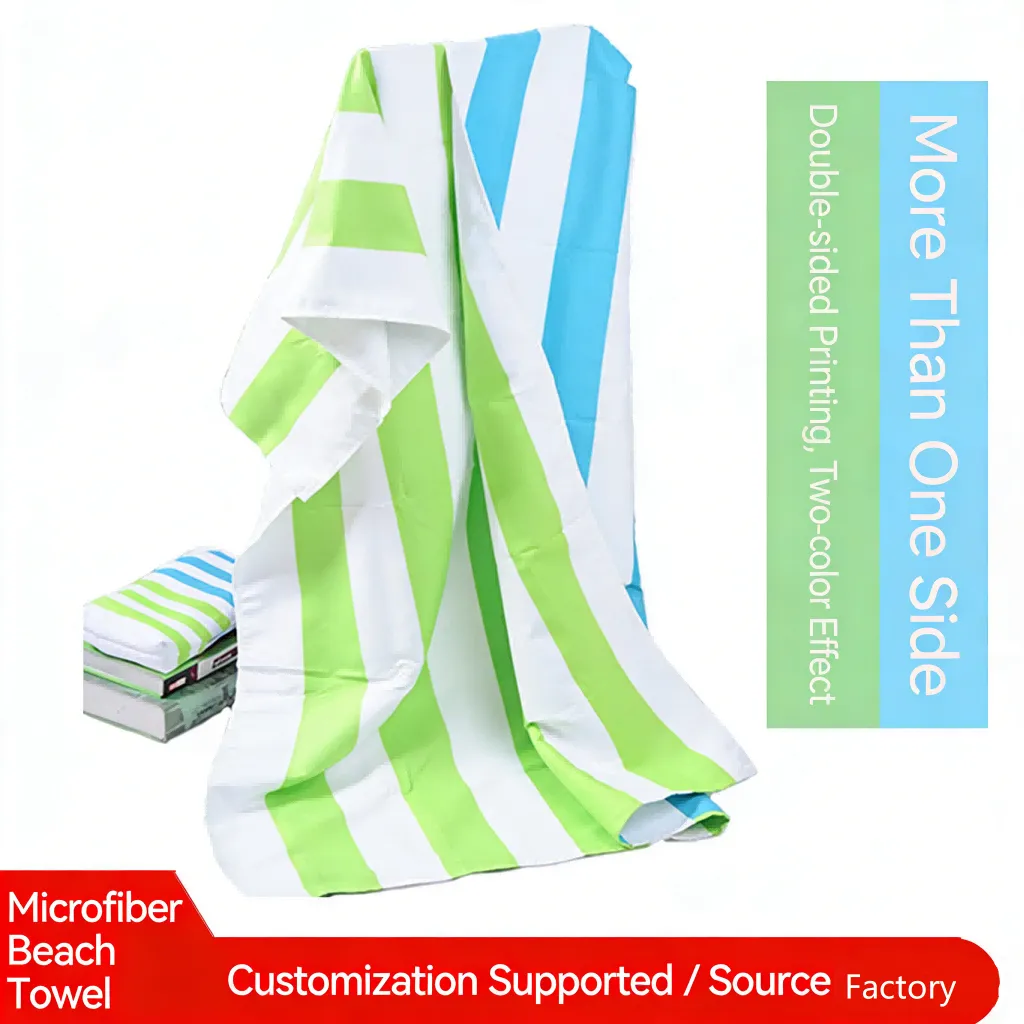
Travel accommodations often present unique hygiene challenges, particularly in shared environments where multiple guests use common facilities and amenities. The fabrics used in travel towels play a crucial role in maintaining cleanliness and preventing the spread of bacteria, fungi, and other microorganisms. Understanding which antimicrobial fabrics offer the best protection can help travelers make informed decisions when selecting towels for hostels, vacation rentals, and other shared accommodation settings.
The selection of appropriate antimicrobial fabrics for travel towels requires consideration of multiple factors including effectiveness against various pathogens, durability through frequent washing, quick-drying properties, and comfort during use. Modern textile technology has produced several fabric options that incorporate antimicrobial properties through different mechanisms, each offering distinct advantages for travelers staying in environments where hygiene standards may vary significantly.
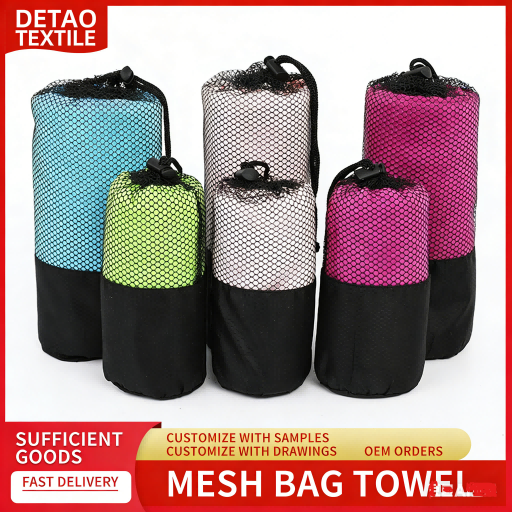
Silver-Infused Microfiber Technology
Silver Nanoparticle Integration
Silver-infused microfiber represents one of the most effective antimicrobial fabrics available for travel towels in shared accommodations. The incorporation of silver nanoparticles into the fiber structure creates a continuous antimicrobial barrier that remains active throughout the towel's lifespan. These silver particles release ions that disrupt bacterial cell walls and interfere with microbial reproduction processes, providing broad-spectrum protection against bacteria, viruses, and fungi commonly encountered in shared bathroom facilities.
The antimicrobial fabrics containing silver nanoparticles demonstrate exceptional efficacy against problematic pathogens such as Staphylococcus aureus, Escherichia coli, and Candida albicans. Research indicates that properly treated silver-infused fabrics can reduce bacterial populations by over 99% within hours of contact. This level of protection proves particularly valuable in hostel environments, vacation rental properties, and other shared accommodations where towels may be exposed to various contaminants between washing cycles.
Durability and Washing Resistance
The effectiveness of silver-infused antimicrobial fabrics extends beyond initial treatment, maintaining antimicrobial properties through multiple wash cycles typical of travel use. Advanced bonding techniques ensure that silver particles remain integrated within the fiber matrix rather than washing away with repeated laundering. This durability characteristic makes these fabrics ideal for travelers who require reliable protection throughout extended trips or frequent accommodation changes.
Laboratory testing demonstrates that quality silver-infused antimicrobial fabrics retain significant antimicrobial activity after 100 or more wash cycles, depending on the specific treatment method and fabric construction. For travel towels used in shared accommodations, this longevity ensures consistent protection against microbial contamination even when washing conditions and detergent quality may vary from location to location.
Bamboo Fiber Antimicrobial Properties
Natural Antimicrobial Compounds
Bamboo fiber offers naturally occurring antimicrobial properties that make it exceptionally suitable for travel towels in shared accommodation settings. The fiber contains a bio-agent called bamboo kun, which provides inherent resistance to bacteria and fungi without requiring additional chemical treatments. These antimicrobial fabrics derived from bamboo demonstrate effectiveness against common pathogens while maintaining soft texture and excellent absorbency characteristics essential for towel functionality.
The antimicrobial mechanism in bamboo fiber works through the natural lignin and pectin compounds present in the plant structure. These compounds create an environment hostile to bacterial growth while remaining gentle on human skin. Bamboo-based antimicrobial fabrics show particular effectiveness against odor-causing bacteria, which proves valuable for travelers who may need to pack slightly damp towels or use towels multiple times between washing opportunities in shared accommodations.
Moisture Management and Quick-Drying
Bamboo antimicrobial fabrics excel in moisture management, featuring natural wicking properties that draw moisture away from the skin and promote rapid evaporation. This characteristic proves essential for travel towels used in humid shared bathroom environments where poor ventilation may slow drying times. The quick-drying nature of bamboo antimicrobial fabrics reduces the time available for bacterial and fungal growth, providing an additional layer of protection beyond the inherent antimicrobial properties.
The structure of bamboo fibers creates natural micro-gaps that enhance airflow and accelerate drying processes. When incorporated into antimicrobial fabrics for travel towels, these properties help maintain hygiene standards even when storage space is limited and towels cannot be fully aired between uses. This capability proves particularly valuable in crowded hostel dormitories or small vacation rental bathrooms where space constraints may compromise drying conditions.
Copper-Infused Textile Technology
Copper Ion Antimicrobial Action
Copper-infused antimicrobial fabrics represent another advanced option for travel towels designed for shared accommodation use. Copper ions possess natural antimicrobial properties that have been recognized for centuries, and modern textile technology has successfully incorporated these benefits into fabric structures. The antimicrobial mechanism involves copper ions disrupting bacterial and viral cell membranes while interfering with essential enzymatic processes required for microbial survival and reproduction.
Studies demonstrate that copper-infused antimicrobial fabrics can eliminate various pathogens within minutes of contact, including antibiotic-resistant bacteria that may be present in shared accommodation environments. The broad-spectrum activity of copper makes these fabrics particularly suitable for travel towels that may encounter unknown microbial challenges in different geographical locations and accommodation types. The continuous release of copper ions ensures ongoing protection even as the towel dries and awaits reuse.
Safety and Skin Compatibility
Copper-infused antimicrobial fabrics maintain excellent safety profiles for human contact while providing robust pathogen protection. The concentration of copper used in textile applications remains well below levels that could cause skin irritation, while still providing effective antimicrobial action. This balance makes copper-treated fabrics suitable for sensitive skin types and extended contact periods typical of towel use in travel situations.
The biocompatibility of copper-infused antimicrobial fabrics has been extensively tested in clinical settings, demonstrating minimal allergic reaction potential compared to synthetic antimicrobial treatments. For travelers with sensitive skin or those spending extended periods in shared accommodations, copper-infused fabrics offer effective protection without compromising comfort or causing adverse skin reactions that could complicate travel experiences.
Synthetic Antimicrobial Treatments
Quaternary Ammonium Compound Integration
Synthetic antimicrobial treatments using quaternary ammonium compounds (QACs) provide another category of antimicrobial fabrics suitable for travel towels in shared accommodations. These treatments create positively charged surfaces that attract and destroy negatively charged bacterial cell membranes through electrostatic interaction. QAC-treated antimicrobial fabrics offer broad-spectrum protection against bacteria, viruses, and fungi while maintaining fabric flexibility and absorbency characteristics.
The application process for QAC antimicrobial fabrics involves bonding the active compounds to fiber surfaces during manufacturing, creating durable antimicrobial protection that withstands washing and normal use. These synthetic treatments can be applied to various base fabrics including cotton, polyester, and microfiber blends, allowing manufacturers to optimize other towel characteristics such as absorbency, weight, and packing size while maintaining antimicrobial effectiveness for shared accommodation use.
Triclosan-Free Alternative Treatments
Modern synthetic antimicrobial fabrics for travel towels increasingly utilize triclosan-free formulations that address environmental and health concerns associated with older antimicrobial treatments. These newer synthetic options include polyhexamethylene biguanide (PHMB) and other advanced compounds that provide effective pathogen control without potential endocrine disruption risks. The development of safer synthetic antimicrobial fabrics ensures that travelers can benefit from chemical protection without compromising personal health or environmental responsibility.
The effectiveness of triclosan-free synthetic antimicrobial fabrics has been validated through extensive testing against common accommodation-related pathogens. These treatments demonstrate particular strength against biofilm formation, which can occur when towels remain damp for extended periods in poorly ventilated shared bathroom facilities. The prevention of biofilm development helps maintain fabric hygiene and prevents the establishment of persistent microbial colonies that could compromise long-term towel safety.
Performance Comparison and Selection Criteria
Pathogen Spectrum Coverage
Different antimicrobial fabrics demonstrate varying effectiveness against specific pathogen categories relevant to shared accommodation environments. Silver-infused fabrics generally provide the broadest spectrum coverage, effectively targeting bacteria, viruses, fungi, and some parasites that travelers might encounter. Copper-infused antimicrobial fabrics excel particularly against viral pathogens and antibiotic-resistant bacteria, while bamboo fiber shows strong performance against odor-causing bacteria and common skin fungi.
Understanding pathogen spectrum coverage helps travelers select appropriate antimicrobial fabrics based on their specific accommodation types and regional health concerns. Hostels in tropical climates may benefit from fabrics with strong antifungal properties, while urban shared accommodations might require broader antibacterial and antiviral coverage. The selection of antimicrobial fabrics should consider both common pathogens and region-specific microbial challenges that travelers may encounter.
Durability and Maintenance Requirements
The practical performance of antimicrobial fabrics in travel situations depends heavily on their ability to maintain effectiveness through varied washing conditions and storage environments. Silver and copper-infused fabrics typically demonstrate superior durability compared to surface treatments, retaining antimicrobial properties even when washed in hard water or with harsh detergents commonly found in shared accommodation laundry facilities.
Travelers should consider the washing frequency requirements and care instructions for different antimicrobial fabrics when selecting towels for shared accommodations. Some synthetic treatments may require specific temperature ranges or pH-balanced detergents to maintain effectiveness, while naturally antimicrobial fabrics like bamboo often prove more forgiving of varied care conditions. The ability to maintain antimicrobial protection under suboptimal washing conditions represents a crucial factor for travel towel performance in shared accommodation settings.
FAQ
How long do antimicrobial properties last in travel towels?
The longevity of antimicrobial properties varies significantly by fabric type and treatment method. Silver and copper-infused antimicrobial fabrics typically maintain effectiveness for 6-12 months of regular use, while bamboo fiber's natural properties can last the lifetime of the towel with proper care. Synthetic treatments may lose effectiveness after 50-100 wash cycles, making fabric-integrated options more suitable for frequent travelers using shared accommodations.
Can antimicrobial travel towels prevent all types of infections in shared accommodations?
While antimicrobial fabrics provide significant protection against many pathogens, they cannot prevent all possible infections in shared accommodation environments. These towels are most effective against bacteria and fungi that cause skin infections and odors, with varying effectiveness against viruses and parasites. Travelers should continue practicing good hygiene habits including proper hand washing and avoiding contact with obviously contaminated surfaces, even when using antimicrobial towels.
Are there any side effects from using antimicrobial fabric towels?
Most antimicrobial fabrics designed for personal use have excellent safety profiles with minimal side effect risks. However, individuals with metal allergies should exercise caution with silver or copper-infused fabrics and consider bamboo or carefully selected synthetic alternatives. Some synthetic antimicrobial treatments may cause mild skin irritation in sensitive individuals, making it advisable to test a small fabric area before extended use in shared accommodation settings.
How should antimicrobial travel towels be cared for to maintain their effectiveness?
Proper care varies by antimicrobial fabric type, but general guidelines include washing in warm water with mild detergents and avoiding fabric softeners or bleach that can interfere with antimicrobial properties. Allow towels to dry completely between uses when possible, and store in well-ventilated areas to prevent moisture accumulation. Following manufacturer care instructions helps ensure antimicrobial fabrics maintain their protective properties throughout travel use in shared accommodations.
Table of Contents
- Silver-Infused Microfiber Technology
- Bamboo Fiber Antimicrobial Properties
- Copper-Infused Textile Technology
- Synthetic Antimicrobial Treatments
- Performance Comparison and Selection Criteria
-
FAQ
- How long do antimicrobial properties last in travel towels?
- Can antimicrobial travel towels prevent all types of infections in shared accommodations?
- Are there any side effects from using antimicrobial fabric towels?
- How should antimicrobial travel towels be cared for to maintain their effectiveness?