
 EN
EN
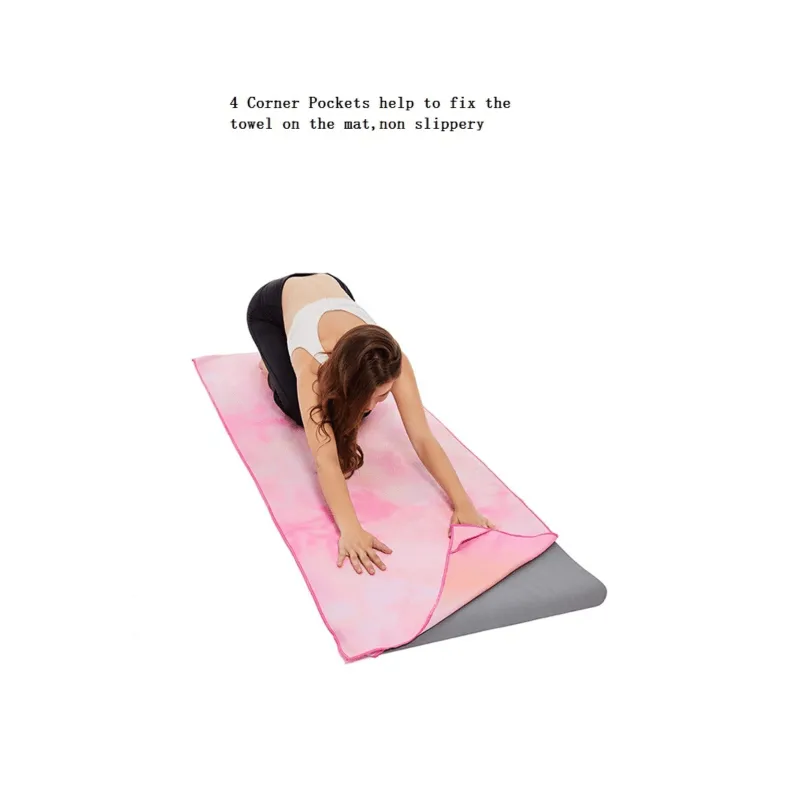
The durability of quick dry beach towels in gym environments depends heavily on the stitching methods employed during manufacturing. High-traffic commercial settings like fitness centers and athletic facilities demand towels that can withstand frequent washing cycles, intensive use, and constant handling by multiple users. The stitching technique directly impacts how well these quick dry beach towels maintain their structural integrity, absorbent properties, and professional appearance over time.
Commercial gym operators require quick dry beach towels that deliver consistent performance while minimizing replacement costs and maintenance issues. The choice of stitching method affects everything from edge stability and seam strength to the towel's resistance to fraying, tearing, and fabric distortion. Understanding which stitching techniques provide superior durability helps facility managers make informed purchasing decisions that balance initial investment with long-term operational efficiency.
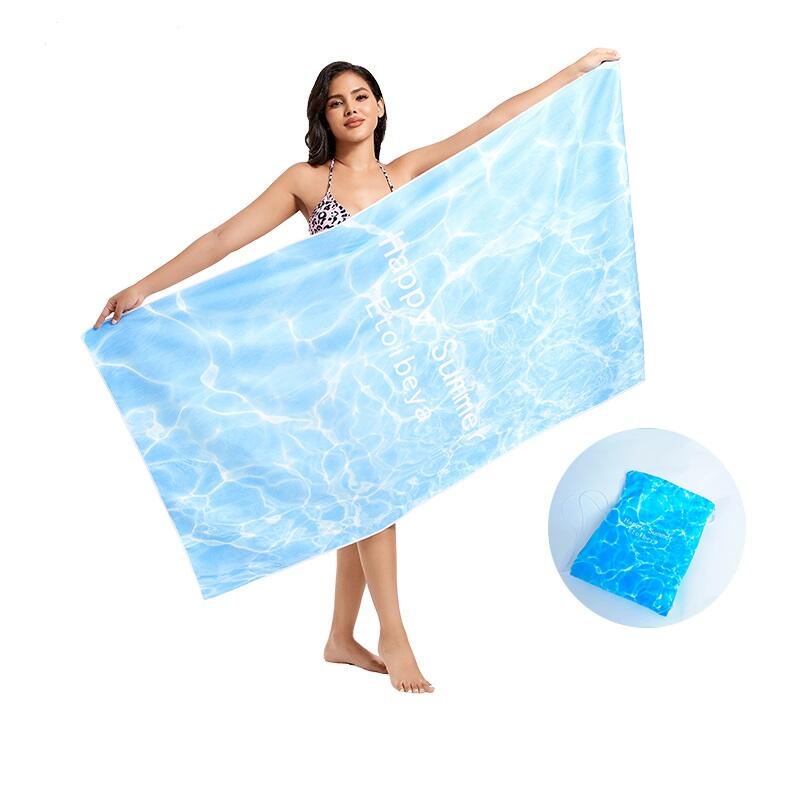
Reinforced Edge Stitching Techniques
Double-Fold Hemming for Border Strength
Double-fold hemming represents one of the most effective stitching methods for enhancing the durability of quick dry beach towels in gym environments. This technique involves folding the fabric edge twice before stitching, creating a reinforced border that resists fraying and maintains structural integrity under stress. The double layer of fabric provides additional thickness at vulnerable edge areas where towels experience the most wear from handling and washing.
Gym facilities benefit from double-fold hemmed quick dry beach towels because this construction method prevents the common problem of edge deterioration that occurs with single-fold or raw-edge alternatives. The reinforced edges maintain their appearance and functionality even after hundreds of wash cycles, reducing the frequency of towel replacement and associated costs. Professional laundry services that handle gym linens particularly appreciate this durability feature because it minimizes sorting requirements for damaged inventory.
Overlock Stitching for Fabric Security
Overlock stitching provides superior edge finishing for quick dry beach towels by wrapping thread around the cut edge of the fabric, preventing unraveling and extending usable life. This method uses specialized machinery that simultaneously cuts, trims, and encases the fabric edge in a protective thread casing. The result is a clean, professional finish that withstands the mechanical stress of commercial washing and drying equipment commonly used in gym facilities.
The thread density and tension used in overlock stitching directly influence the longevity of quick dry beach towels in high-use environments. Higher thread counts and properly calibrated tension settings create more robust edge protection, while inferior overlock work may fail prematurely under repeated washing stress. Facility managers should verify that their towel suppliers use commercial-grade overlock equipment with appropriate thread specifications for gymnasium applications.
Seam Construction Methods
French Seam Durability
French seams offer exceptional durability for quick dry beach towels by completely enclosing raw fabric edges within the seam structure itself. This technique involves sewing the fabric pieces together twice, first with wrong sides together, then trimming and sewing again with right sides together. The result is a seam with no exposed raw edges that could fray or separate under stress, making it ideal for towels that undergo frequent washing and heavy use in gym settings.
Commercial laundries handling quick dry beach towels from fitness facilities report significantly fewer seam failures when French seam construction is employed. The enclosed seam structure prevents lint accumulation and reduces the risk of seam separation that commonly occurs with basic straight-stitch construction. This durability advantage translates to extended towel lifespan and reduced replacement costs for gym operators managing large inventory volumes.
Reinforcement Stitching at Stress Points
Strategic placement of reinforcement stitching at high-stress areas significantly improves the durability of quick dry beach towels in gym applications. These stress points typically include corners, where hanging loops attach, and areas subject to frequent grasping or twisting motions. Additional stitching lines or bar-tack reinforcements at these locations distribute mechanical stress across a larger area, preventing concentrated forces from causing premature failure.
Professional manufacturers of quick dry beach towels for commercial use often incorporate multiple reinforcement strategies simultaneously. This might include extra stitching lines at corners, specialized bar-tack reinforcement where hanging loops are attached, and additional thread passes at fold lines that experience repeated stress. The investment in enhanced stitching pays dividends in extended service life and reduced maintenance requirements for gym facilities.
Thread Selection and Specifications
High-Tenacity Thread Benefits
The selection of high-tenacity threads significantly impacts the durability performance of quick dry beach towels in demanding gym environments. High-tenacity threads are specifically engineered to resist breaking under stress and maintain their integrity through repeated wash and dry cycles. These specialized threads typically feature synthetic fiber construction with enhanced strength characteristics that outperform standard cotton or polyester threads in commercial laundry applications.
Polyester and nylon high-tenacity threads offer superior performance for quick dry beach towels because they resist shrinkage, chemical degradation from detergents and bleaches, and mechanical stress from commercial washing equipment. The thread maintains consistent tension and appearance even after extended use, preventing the loose or puckered stitching that can develop when inferior threads are used. Gym facilities investing in towels constructed with high-tenacity threads typically see 30-40% longer service life compared to standard thread alternatives.
Thread Weight and Density Considerations
Optimal thread weight and stitch density directly influence the durability characteristics of quick dry beach towels in commercial gym applications. Heavier thread weights provide greater individual thread strength, while appropriate stitch density ensures adequate thread coverage without creating fabric distortion or reduced flexibility. The balance between these factors determines how well the stitching performs under the mechanical stress of repeated use and industrial washing processes.
Commercial specifications for quick dry beach towels typically require thread weights between 40-60 gauge with stitch densities of 10-14 stitches per inch, depending on the specific application and fabric weight. Higher thread weights may be necessary for towels expected to undergo intensive use, while maintaining sufficient stitch density prevents gaps that could lead to seam failure. Manufacturers must calibrate their equipment to achieve consistent thread tension across these specifications to ensure uniform durability performance.
Specialized Stitching Techniques for Quick-Dry Fabrics
Stretch-Compatible Stitching Methods
Quick dry beach towels often incorporate synthetic fibers or fabric blends that exhibit different stretch characteristics compared to traditional cotton terry cloth. These materials require specialized stitching techniques that accommodate fabric movement without breaking or distorting under stress. Stretch-compatible stitching methods include slight tension adjustments, specific stitch patterns, and thread selections that move with the fabric rather than restricting its natural flexibility.
Zigzag or multi-directional stitch patterns prove particularly effective for quick dry beach towels with synthetic content because they allow controlled fabric movement while maintaining seam integrity. These stitching methods prevent the thread breakage that commonly occurs when rigid straight stitching is used on fabrics that stretch during use or washing. Gym facilities benefit from this flexibility because towels maintain their shape and stitching integrity even when subjected to wringing, stretching, or other handling stresses typical in fitness environments.
Moisture-Resistant Thread Treatments
Moisture-resistant thread treatments enhance the durability of quick dry beach towels by preventing thread degradation in humid gym environments and through repeated wet-dry cycles. These treatments may include antimicrobial coatings that prevent bacterial growth within the thread structure, water-repellent finishes that reduce moisture absorption, and chemical treatments that resist chlorine and other cleaning agents commonly used in gym facilities.
The application of moisture-resistant treatments to stitching threads becomes particularly important for quick dry beach towels used in pool areas, steam rooms, and other high-humidity zones within fitness facilities. Untreated threads can absorb moisture, swell, and create weak points that lead to premature stitching failure. Professional-grade towels designed for commercial gym use typically incorporate these specialized thread treatments as standard features to ensure consistent performance across diverse environmental conditions.
Quality Control and Testing Standards
Seam Strength Testing Protocols
Rigorous seam strength testing ensures that quick dry beach towels meet the durability requirements of commercial gym applications. Industry-standard testing protocols evaluate how stitching performs under controlled stress conditions that simulate real-world usage patterns. These tests typically measure the force required to cause seam failure, thread breakage resistance, and seam integrity after repeated wash cycles.
Professional manufacturers of quick dry beach towels for gym use typically conduct seam strength tests according to ASTM or similar international standards. Testing protocols include grab tests that measure peak seam strength, raveled strip tests that evaluate fabric tear resistance at seam lines, and accelerated aging tests that simulate extended use conditions. Towels that pass these rigorous evaluations demonstrate the stitching durability necessary for reliable performance in demanding commercial environments.
Wash Cycle Durability Assessment
Comprehensive wash cycle testing validates the long-term durability of stitching methods used in quick dry beach towels for gym applications. These assessments subject towels to repeated wash and dry cycles using commercial-grade equipment and cleaning chemicals typical of professional laundry operations. The testing evaluates how stitching integrity, appearance, and functionality change over time under realistic operating conditions.
Accelerated wash testing typically involves 100-500 wash cycles using industrial detergents, bleaches, and high-temperature drying to simulate months or years of actual use in compressed timeframes. Quick dry beach towels that maintain stitching integrity, edge stability, and overall appearance throughout these tests demonstrate the durability characteristics necessary for cost-effective operation in gym facilities. This testing data helps facility managers make informed decisions about towel specifications and expected replacement intervals.
FAQ
How do different stitching methods affect the lifespan of quick dry beach towels in commercial gyms?
Advanced stitching methods like double-fold hemming and French seams can extend the lifespan of quick dry beach towels in commercial gyms by 30-50% compared to basic straight-stitch construction. Reinforced edge stitching prevents fraying and maintains structural integrity through hundreds of wash cycles, while properly selected high-tenacity threads resist breaking under mechanical stress from commercial laundry equipment.
What thread specifications should gym operators look for when purchasing quick dry beach towels?
Gym operators should specify quick dry beach towels constructed with high-tenacity polyester or nylon threads in 40-60 gauge weights, with stitch densities between 10-14 stitches per inch. Moisture-resistant thread treatments and antimicrobial coatings provide additional durability benefits in humid gym environments. These specifications ensure optimal performance under commercial washing conditions and intensive use patterns typical of fitness facilities.
Can reinforcement stitching techniques reduce towel replacement costs for fitness facilities?
Yes, reinforcement stitching techniques like bar-tack reinforcement at stress points and strategic placement of additional stitch lines can significantly reduce towel replacement costs. Facilities using quick dry beach towels with proper reinforcement stitching typically see 25-40% longer service life compared to standard construction, resulting in reduced inventory turnover and lower long-term operational costs despite higher initial purchase prices.
Are there specific stitching requirements for quick dry beach towels used in chlorinated pool areas?
Quick dry beach towels used in chlorinated pool areas require specialized stitching with chlorine-resistant threads and protective treatments to prevent chemical degradation. High-tenacity synthetic threads with chemical-resistant coatings maintain their strength and appearance when exposed to chlorinated water and cleaning chemicals. Additionally, corrosion-resistant stitching hardware and reinforced construction help towels withstand the harsh chemical environment typical of pool facilities.
Table of Contents
- Reinforced Edge Stitching Techniques
- Seam Construction Methods
- Thread Selection and Specifications
- Specialized Stitching Techniques for Quick-Dry Fabrics
- Quality Control and Testing Standards
-
FAQ
- How do different stitching methods affect the lifespan of quick dry beach towels in commercial gyms?
- What thread specifications should gym operators look for when purchasing quick dry beach towels?
- Can reinforcement stitching techniques reduce towel replacement costs for fitness facilities?
- Are there specific stitching requirements for quick dry beach towels used in chlorinated pool areas?