
 EN
EN
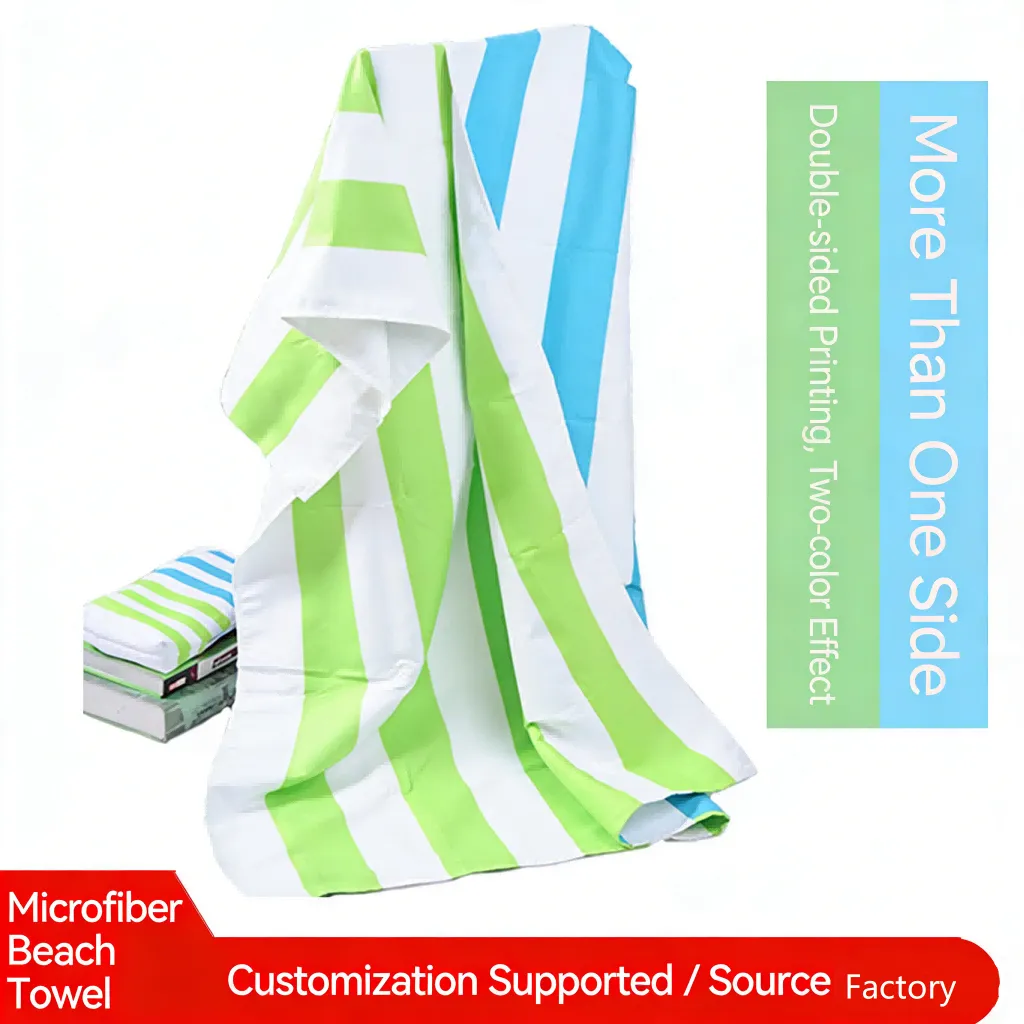
The demand for high-quality quick dry beach towels has surged dramatically across gym facilities and fitness centers worldwide. These specialized towels represent a crucial intersection of functionality, durability, and user experience that directly impacts member satisfaction. Understanding the production factors that ensure longevity in these towels becomes essential for gym owners, procurement managers, and textile manufacturers seeking optimal investment returns.
Commercial fitness environments present unique challenges for towel durability that extend far beyond residential use patterns. The constant exposure to chlorinated pool water, frequent washing cycles, and intensive daily usage create demanding conditions that separate premium products from inferior alternatives. Manufacturing decisions made during the production process directly influence whether quick dry beach towels will withstand these rigorous operational demands or deteriorate rapidly under commercial stress.
Modern textile engineering has revolutionized the capabilities of quick dry beach towels through advanced fiber technologies and innovative weaving techniques. These improvements address fundamental durability concerns while maintaining the rapid moisture-wicking properties that define this product category. The strategic selection of production methodologies determines the ultimate lifespan and cost-effectiveness of these towels in demanding gym environments.
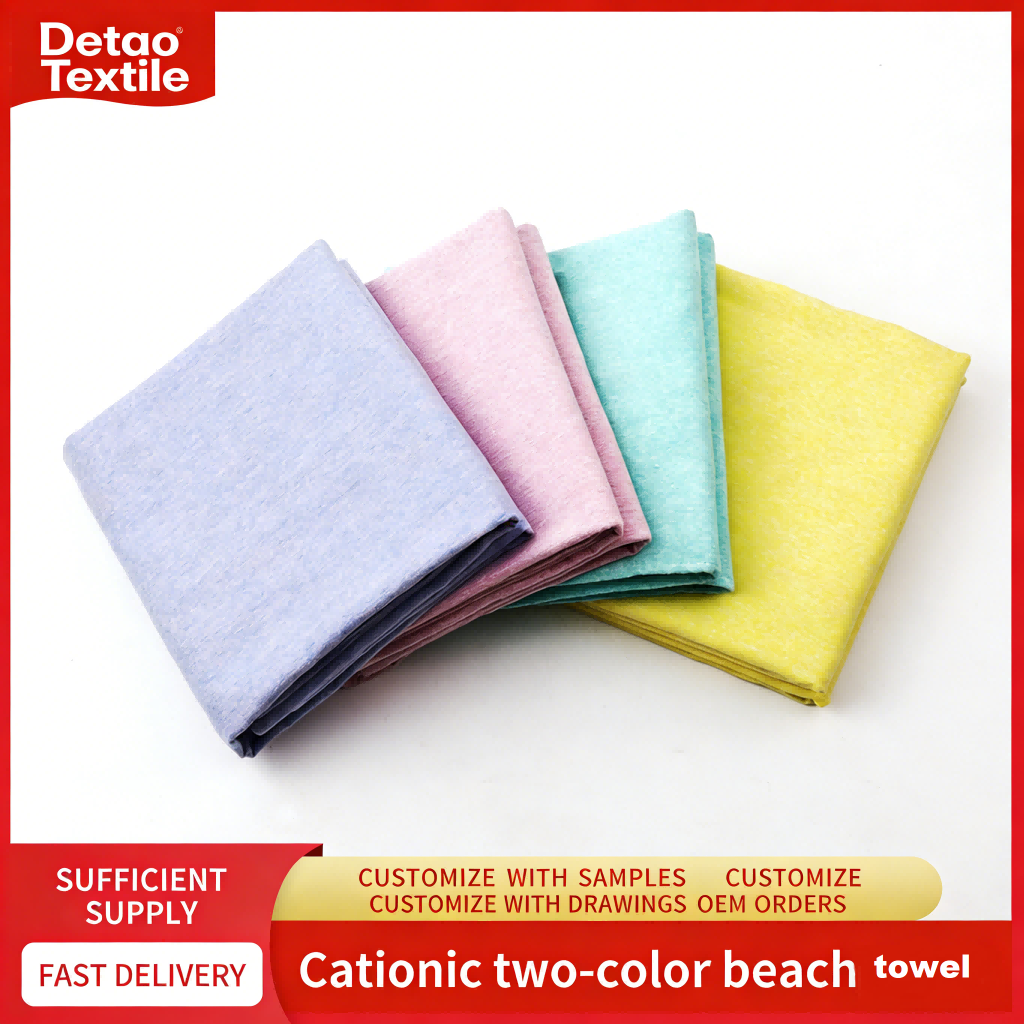
Fiber Selection and Composition Engineering
Microfiber Technology and Synthetic Blend Advantages
The foundation of durable quick dry beach towels begins with sophisticated fiber selection processes that prioritize both performance and longevity. Premium manufacturers utilize advanced microfiber compositions that combine polyester and polyamide in precise ratios to achieve optimal absorption rates while maintaining structural integrity. These synthetic blends resist bacterial growth, prevent odor retention, and withstand repeated exposure to harsh cleaning chemicals commonly used in commercial gym facilities.
Polyester components within quick dry beach towels provide exceptional colorfastness and dimensional stability that prevents shrinkage during industrial washing processes. The molecular structure of high-grade polyester fibers creates natural resistance to UV degradation, ensuring that towels maintain their appearance and functionality even after prolonged exposure to pool chemicals and sunlight. This durability characteristic becomes particularly crucial for facilities that utilize outdoor pool areas or receive significant natural lighting.
Polyamide integration enhances the softness and flexibility of quick dry beach towels while contributing superior tensile strength that prevents tearing during aggressive use. The strategic proportion of polyamide fibers creates microscopic capillary channels that facilitate rapid moisture transfer without compromising the overall fabric density. This engineering approach ensures that towels retain their quick-drying properties throughout their operational lifespan without developing thin spots or weakness areas.
Natural Fiber Integration and Hybrid Approaches
Contemporary quick dry beach towels often incorporate carefully controlled percentages of natural fibers to enhance user comfort while maintaining durability standards. Cotton integration at specific ratios provides improved skin feel and enhanced absorption capacity without significantly compromising drying speed. The key lies in precise fiber engineering that balances natural comfort with synthetic performance characteristics.
Bamboo fiber inclusion represents an emerging trend in premium quick dry beach towels that offers natural antibacterial properties alongside environmental sustainability benefits. These renewable fibers demonstrate remarkable durability when processed correctly and integrated into synthetic matrices. The natural antimicrobial characteristics of bamboo reduce the need for harsh chemical treatments that can weaken fabric structures over time.
Advanced spinning techniques allow manufacturers to create hybrid yarns that maximize the benefits of both natural and synthetic components. These innovative approaches produce quick dry beach towels with superior durability profiles that exceed the performance characteristics of single-fiber constructions. The resulting products maintain their quick-drying capabilities while offering enhanced longevity in demanding commercial applications.
Weaving Patterns and Fabric Construction Methods
Loop Pile Density and Distribution Engineering
The architectural design of fabric construction plays a pivotal role in determining the durability of quick dry beach towels under commercial usage conditions. Advanced loop pile engineering creates optimized surface textures that maximize absorption while preventing premature wear patterns. The density and height of individual loops must be precisely calculated to ensure adequate moisture capacity without creating vulnerable points that deteriorate rapidly.
Premium manufacturers employ computer-controlled weaving systems that maintain consistent loop formation throughout the entire fabric surface. This uniformity prevents weak spots that commonly develop in traditionally woven quick dry beach towels and contribute to premature failure. The precise control of loop tension during weaving ensures that each individual fiber maintains optimal positioning for maximum durability and performance.
Variable loop height patterns within quick dry beach towels create enhanced functionality while distributing mechanical stress more effectively across the fabric surface. These engineered variations allow towels to maintain their structural integrity even after thousands of use cycles in demanding gym environments. The strategic placement of different loop densities optimizes both absorption performance and durability characteristics.
Base Fabric Reinforcement and Structural Integrity
The foundation layer of durable quick dry beach towels requires sophisticated engineering to support the performance characteristics of the surface pile structure. Advanced base fabric construction utilizes high-density weaving patterns that create exceptional dimensional stability while preventing delamination between fabric layers. This structural approach ensures that towels maintain their shape and functionality throughout extended commercial use periods.
Reinforcement techniques employed in premium quick dry beach towels include strategic yarn placement that creates additional strength zones in high-stress areas. These engineering modifications prevent common failure points such as corner tearing and edge fraying that typically occur in commercial environments. The integration of reinforcement elements maintains the overall flexibility and comfort characteristics while significantly extending operational lifespan.
Multi-layer construction approaches allow manufacturers to optimize different aspects of towel performance through specialized fabric layers. The base layer focuses on durability and dimensional stability, while intermediate layers manage moisture transfer efficiency. This sophisticated approach produces quick dry beach towels with superior longevity characteristics that justify higher initial investment costs through extended replacement intervals.
Chemical Treatment and Finishing Processes
Antimicrobial Treatment Integration
Advanced chemical finishing processes significantly impact the durability and hygiene characteristics of quick dry beach towels in commercial gym environments. Premium antimicrobial treatments create molecular-level protection against bacterial growth that extends beyond surface applications. These treatments integrate with fiber structures to provide lasting protection that withstands repeated washing cycles without degrading effectiveness.
Silver ion technology represents a breakthrough approach in antimicrobial treatment for quick dry beach towels that provides exceptional durability and effectiveness. The integration of silver nanoparticles into fiber matrices creates permanent bacterial resistance that maintains its effectiveness throughout the entire product lifespan. This technology eliminates the need for periodic retreatment while ensuring consistent hygiene performance in demanding gym environments.
Zinc-based antimicrobial systems offer alternative approaches that provide excellent durability characteristics while maintaining cost-effectiveness for commercial applications. These treatment methods create stable chemical bonds with fiber structures that prevent washing-related degradation. The resulting quick dry beach towels maintain their antimicrobial properties while demonstrating superior resistance to chemical degradation from pool treatments and cleaning agents.
Water Repellency and Stain Resistance Engineering
Sophisticated hydrophobic treatments enhance the performance characteristics of quick dry beach towels while contributing to overall durability through stain prevention and easier cleaning processes. These molecular-level treatments create invisible barriers that prevent deep staining while maintaining the natural absorption characteristics required for effective towel functionality. The strategic application of these treatments ensures long-term appearance retention in commercial environments.
Fluorine-free water repellent technologies represent environmentally conscious approaches to enhancing quick dry beach towels durability without compromising performance characteristics. These advanced treatments provide excellent stain resistance while maintaining the breathability and moisture management properties essential for gym applications. The chemical stability of these treatments ensures consistent performance throughout extended commercial use periods.
Multi-stage finishing processes allow manufacturers to apply complementary treatments that enhance different aspects of towel durability simultaneously. The careful sequencing of chemical applications ensures optimal integration between treatments while preventing negative interactions that could compromise fabric integrity. This comprehensive approach produces quick dry beach towels with superior resistance to various environmental stresses encountered in gym facilities.
Quality Control and Testing Methodologies
Mechanical Durability Assessment
Rigorous testing protocols ensure that quick dry beach towels meet demanding commercial durability standards before reaching market distribution. Advanced mechanical testing equipment simulates years of commercial use through accelerated wear cycles that identify potential failure points. These comprehensive assessments evaluate fabric strength, dimensional stability, and performance characteristic retention under extreme conditions.
Tensile strength testing procedures measure the resistance of quick dry beach towels to tearing forces that commonly occur in gym environments. These tests evaluate both warp and weft direction strength characteristics while assessing the integrity of loop structures under stress. The data collected guides manufacturing modifications that enhance durability while maintaining performance characteristics.
Abrasion resistance testing simulates the mechanical wear that occurs during normal towel usage and laundering processes. These evaluations determine how quickly quick dry beach towels lose their surface characteristics and functional properties under controlled wear conditions. The results directly influence design decisions regarding fiber selection, weaving patterns, and finishing treatments.
Chemical Resistance and Colorfastness Evaluation
Comprehensive chemical resistance testing ensures that quick dry beach towels maintain their appearance and functionality when exposed to pool chemicals, cleaning agents, and other substances commonly encountered in gym facilities. These evaluations assess both immediate reactions and long-term degradation patterns that could impact towel durability. The testing protocols simulate realistic exposure conditions while providing quantifiable performance metrics.
Colorfastness assessments evaluate the ability of quick dry beach towels to maintain their original appearance throughout their operational lifespan. These tests expose fabric samples to various stressing agents including chlorine, UV radiation, and commercial detergents to determine color stability characteristics. The results guide dye selection and treatment processes that ensure consistent appearance retention.
pH stability testing determines how quick dry beach towels respond to the varying chemical conditions encountered in different water treatment systems. These evaluations ensure that fabric integrity remains intact regardless of the specific chemical balancing approaches used by individual facilities. The comprehensive nature of these tests provides confidence in long-term durability performance across diverse operational environments.
Manufacturing Process Optimization
Temperature and Humidity Control Systems
Precise environmental control during manufacturing processes significantly impacts the final durability characteristics of quick dry beach towels. Advanced climate control systems maintain optimal temperature and humidity levels that ensure proper fiber integration and chemical treatment effectiveness. These controlled conditions prevent manufacturing defects that could compromise long-term towel performance in commercial applications.
Staged curing processes allow chemical treatments to fully integrate with fiber structures before subsequent manufacturing steps. The careful management of temperature profiles during these curing phases ensures optimal molecular bonding that enhances durability characteristics. This attention to process detail distinguishes premium quick dry beach towels from standard products that may skip these critical manufacturing stages.
Quality monitoring systems continuously track environmental conditions throughout the production process to ensure consistency across different manufacturing batches. These automated systems prevent variations that could impact the durability or performance characteristics of finished quick dry beach towels. The comprehensive data collection enables continuous process improvement that enhances overall product quality.
Precision Cutting and Edge Finishing Techniques
Advanced cutting technologies ensure that quick dry beach towels maintain precise dimensions while preventing edge fraying that commonly leads to premature failure. Ultrasonic cutting systems create clean edges that resist unraveling without requiring additional finishing treatments. These precision techniques contribute significantly to overall towel durability while maintaining cost-effectiveness in commercial production environments.
Heat-sealed edge finishing provides superior durability compared to traditional hemming approaches that create stress concentration points. These advanced techniques distribute mechanical loads more effectively along towel edges while preventing the penetration of moisture and contaminants that could compromise fabric integrity. The resulting quick dry beach towels demonstrate exceptional resistance to edge-related failures in demanding gym applications.
Multi-stage finishing processes ensure that all edges receive consistent treatment that enhances both appearance and durability characteristics. Quality control systems monitor edge finishing quality throughout production to prevent variations that could impact long-term performance. This comprehensive approach produces quick dry beach towels with superior edge integrity that withstands intensive commercial use.
FAQ
How often should commercial gyms replace quick dry beach towels?
The replacement frequency for quick dry beach towels in commercial gym environments depends heavily on usage intensity and maintenance practices. High-quality towels with proper construction can typically withstand 12-18 months of commercial use with proper care protocols. Facilities with intensive pool usage or inadequate laundering procedures may need replacement every 6-9 months, while premium products with advanced durability features can extend operational life to 24 months or longer.
What washing procedures maximize the lifespan of quick dry beach towels?
Optimal washing procedures for quick dry beach towels involve using moderate water temperatures between 100-120°F with commercial-grade detergents specifically designed for synthetic fiber blends. Avoid fabric softeners that can coat fibers and reduce absorption capacity, while ensuring thorough rinsing to remove all detergent residues. Professional laundering equipment with programmable cycles provides better results than standard residential washing machines for maintaining towel durability.
Which production factors have the greatest impact on towel durability?
Fiber selection represents the most critical production factor affecting quick dry beach towels durability, with high-grade polyester and polyamide blends providing optimal performance characteristics. Weaving pattern design follows closely in importance, as proper loop construction and base fabric reinforcement prevent common failure modes. Chemical finishing treatments, particularly antimicrobial systems and stain resistance applications, significantly influence long-term durability but require proper integration during manufacturing to achieve maximum effectiveness.
How do environmental factors in gyms affect quick dry beach towels longevity?
Environmental conditions in gym facilities create challenging operating environments that significantly impact towel durability through chlorine exposure, temperature variations, and humidity fluctuations. Pool chemicals accelerate fabric degradation if towels lack proper chemical resistance treatments, while inadequate ventilation can promote bacterial growth that weakens fiber structures. UV exposure from natural lighting and artificial sources contributes to color fading and fiber breakdown, making environmental compatibility a crucial consideration in towel selection for commercial facilities.