
 EN
EN
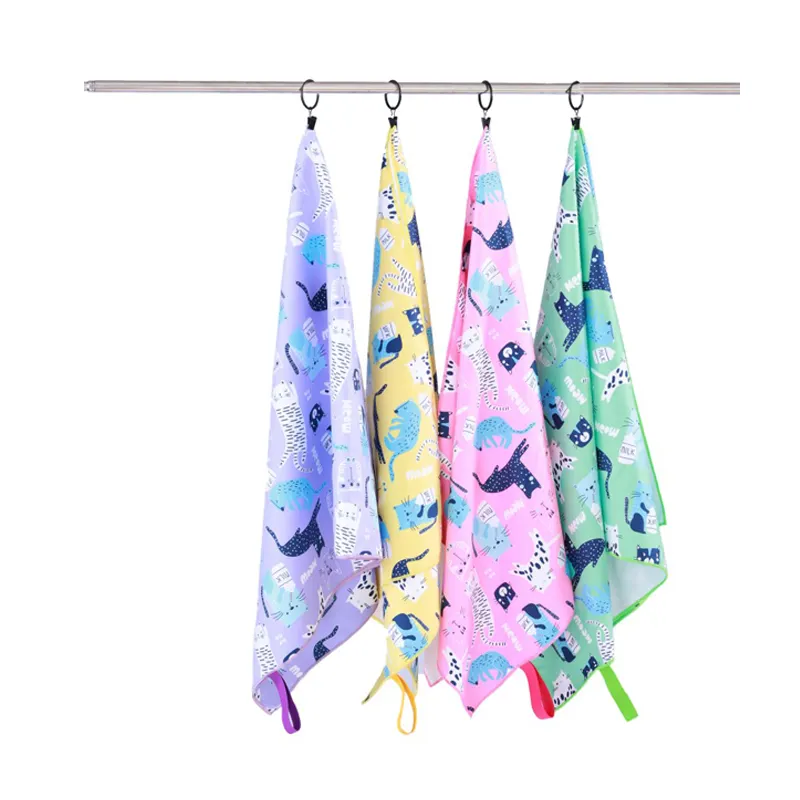
Working with custom beach towel suppliers requires careful attention to quality assurance processes that ensure your finished products meet both aesthetic and functional expectations. The beach towel manufacturing industry has evolved significantly, with suppliers offering advanced customization options ranging from digital printing to specialized fabric treatments. Understanding how to evaluate and maintain quality standards throughout the production process becomes essential for businesses seeking to deliver premium beach towels to their customers. Quality control measures must be implemented at every stage, from initial fabric selection to final packaging, ensuring that each towel meets specified requirements for absorbency, durability, and visual appeal.
Establishing Quality Standards and Specifications
Defining Material Requirements
The foundation of quality assurance begins with establishing clear material specifications that align with your brand standards and customer expectations. High-quality beach towels typically require specific fiber compositions, with cotton content percentages directly impacting absorbency rates and softness levels. When communicating with suppliers, provide detailed specifications including thread count requirements, fabric weight measurements, and preferred fiber blends to ensure consistency across production batches.
Fabric density measurements play a crucial role in determining the towel's durability and performance characteristics. Suppliers should provide detailed technical specifications including GSM (grams per square meter) ratings, which typically range from 400-600 GSM for premium beach towels. Additionally, establishing color fastness requirements ensures that printed designs and dyed fabrics maintain their vibrancy even after repeated exposure to saltwater, chlorine, and UV radiation.
Setting Performance Benchmarks
Performance benchmarks should encompass both functional and aesthetic criteria that reflect real-world usage scenarios. Absorbency testing protocols must be established to verify that towels can effectively absorb moisture while maintaining quick-drying properties essential for beach environments. Sand resistance features have become increasingly important, with many premium towels incorporating specialized weave patterns that prevent sand particles from embedding within the fabric fibers.
Dimensional stability requirements ensure that towels maintain their intended size and shape throughout multiple wash cycles. Shrinkage tolerances should be specified, typically allowing for minimal dimensional changes of less than three percent after standard washing procedures. These benchmarks provide measurable criteria that suppliers can use to validate their manufacturing processes and quality control procedures.
Supplier Evaluation and Selection Process
Assessing Manufacturing Capabilities
Comprehensive supplier evaluation requires thorough assessment of manufacturing capabilities, including production capacity, equipment specifications, and quality management systems. Modern beach towel production facilities should utilize advanced printing technologies such as reactive dyeing or digital sublimation systems that ensure vibrant, long-lasting designs. Suppliers must demonstrate their ability to handle complex customization requirements while maintaining consistent quality across large production runs.
Production facility audits provide valuable insights into supplier capabilities and quality management practices. During facility visits, evaluate equipment maintenance procedures, environmental controls, and worker training programs that directly impact product quality. Advanced suppliers often maintain climate-controlled production environments that prevent fabric distortion and ensure optimal printing conditions throughout the manufacturing process.
Verifying Quality Management Systems
Quality management systems certification provides important validation of supplier capabilities and commitment to consistent quality standards. ISO 9001 certification demonstrates that suppliers have implemented systematic approaches to quality management, including documented procedures for continuous improvement and customer satisfaction. Additionally, textile-specific certifications such as OEKO-TEX standards indicate compliance with environmental and safety requirements relevant to beach towel manufacturing.
Supplier quality histories and performance records offer valuable insights into their ability to meet delivery schedules and quality requirements consistently. Request detailed information about defect rates, customer complaint resolution procedures, and corrective action implementations to assess their commitment to quality excellence. Reliable custom beach towel suppliers maintain comprehensive quality records that demonstrate their track record of successful project completions and customer satisfaction.
Quality Control Testing Procedures
Pre-Production Sample Validation
Pre-production sample validation serves as a critical checkpoint that prevents quality issues from propagating throughout full production runs. Detailed sample evaluation should include color accuracy verification using standardized color matching systems, ensuring that printed designs align with approved color specifications. Fabric hand-feel assessments verify that texture and softness characteristics meet established standards for customer satisfaction.
Sample testing protocols should encompass functional performance evaluations including absorbency rates, drying times, and sand release properties. Accelerated aging tests simulate extended usage conditions, revealing potential issues such as color fading, fabric deterioration, or dimensional instability before mass production begins. These comprehensive testing procedures provide opportunities to address quality concerns early in the manufacturing process when corrections can be implemented cost-effectively.
In-Process Quality Monitoring
Continuous quality monitoring throughout production ensures that manufacturing processes remain within specified parameters and quality standards are maintained consistently. Statistical process control methods enable suppliers to track key quality metrics and identify process variations before they result in defective products. Regular inspection schedules should include fabric preparation, printing operations, finishing treatments, and packaging procedures to ensure comprehensive quality oversight.
Quality checkpoints at critical production stages allow for immediate corrective actions when deviations are detected. Modern manufacturing facilities often implement automated quality control systems that monitor printing registration, color consistency, and fabric handling to minimize human error and ensure consistent results. These systematic monitoring approaches significantly reduce the likelihood of quality issues reaching final inspection stages.
Communication and Documentation Protocols
Establishing Clear Specification Documentation
Comprehensive specification documentation eliminates ambiguity and ensures that all parties maintain consistent understanding of quality requirements throughout the production process. Technical specifications should include detailed measurements, tolerances, material requirements, and performance criteria presented in standardized formats that facilitate clear communication. Visual references such as approved samples, color standards, and technical drawings provide additional clarity for complex customization requirements.
Documentation management systems should maintain version control procedures that track specification changes and ensure that all stakeholders work from current approved versions. Regular specification reviews allow for updates based on market feedback, technological improvements, or regulatory changes that may impact product requirements. Clear documentation practices significantly reduce misunderstandings and production errors that can compromise quality outcomes.
Implementing Feedback Mechanisms
Effective feedback mechanisms enable continuous improvement and rapid resolution of quality issues throughout the supplier relationship. Regular quality review meetings provide structured forums for discussing performance metrics, addressing concerns, and implementing process improvements. Suppliers should maintain responsive communication channels that facilitate immediate notification of potential quality issues or production challenges.
Quality reporting systems should provide detailed information about inspection results, defect rates, and corrective actions implemented to address identified issues. Transparent reporting builds trust between buyers and suppliers while providing data necessary for continuous improvement initiatives. Effective communication protocols ensure that quality concerns are addressed promptly before they impact product delivery schedules or customer satisfaction levels.
Final Inspection and Delivery Procedures
Comprehensive Pre-Shipment Inspection
Pre-shipment inspection procedures provide final verification that completed products meet all specified quality requirements before delivery to customers. Comprehensive inspection protocols should evaluate visual appearance, dimensional accuracy, functional performance, and packaging quality to ensure that every aspect meets established standards. Random sampling procedures ensure that inspection results provide representative assessments of overall production quality.
Professional inspection services offer independent verification of product quality and can provide valuable third-party validation of supplier performance. These services utilize standardized inspection procedures and provide detailed reports that document compliance with specified requirements. Independent inspections help maintain objective quality standards and provide documented evidence of quality compliance for customer assurance purposes.
Packaging and Handling Standards
Proper packaging and handling procedures protect product quality during transportation and storage, ensuring that towels reach customers in pristine condition. Packaging specifications should address protection requirements for printed designs, fabric preservation, and moisture control during shipping. Quality suppliers implement systematic packaging procedures that maintain product presentation standards while providing adequate protection against damage during transit.
Handling procedures throughout the supply chain must preserve product quality and prevent contamination or damage that could compromise customer satisfaction. Training programs for warehouse and logistics personnel ensure that proper handling techniques are maintained consistently. Quality packaging and handling standards reflect supplier commitment to delivering products that meet customer expectations for both quality and presentation.
FAQ
What are the most important quality factors to consider when selecting custom beach towel suppliers?
The most critical quality factors include fabric composition and weight (typically 400-600 GSM for premium towels), color fastness ratings for UV and water resistance, absorbency performance, and sand-resistant properties. Additionally, evaluate supplier certifications such as ISO 9001 and OEKO-TEX standards, production capacity capabilities, and their track record of meeting delivery schedules while maintaining consistent quality standards.
How can I verify that my supplier maintains consistent quality throughout production runs?
Implement comprehensive pre-production sample approval processes, establish statistical process control monitoring at critical production stages, and require regular quality reports with defect rates and corrective actions. Consider utilizing third-party inspection services for independent quality verification and maintain detailed specification documentation with clear tolerances and performance requirements that can be objectively measured and verified.
What testing procedures should be conducted before approving beach towel samples?
Essential testing procedures include absorbency rate measurements, color fastness testing under UV exposure and washing conditions, dimensional stability verification through shrinkage testing, and sand release performance evaluation. Additionally, conduct accelerated aging tests to simulate extended usage conditions and verify that fabric hand-feel characteristics meet customer expectations for softness and texture quality.
How should quality issues be addressed if they arise during production?
Establish immediate communication protocols that require suppliers to notify you within 24 hours of identifying potential quality issues. Implement corrective action procedures that address root causes rather than just symptoms, and maintain detailed documentation of all quality incidents and resolution measures. Regular quality review meetings should analyze trends and implement preventive measures to reduce the likelihood of recurring quality problems.
Table of Contents
- Establishing Quality Standards and Specifications
- Supplier Evaluation and Selection Process
- Quality Control Testing Procedures
- Communication and Documentation Protocols
- Final Inspection and Delivery Procedures
-
FAQ
- What are the most important quality factors to consider when selecting custom beach towel suppliers?
- How can I verify that my supplier maintains consistent quality throughout production runs?
- What testing procedures should be conducted before approving beach towel samples?
- How should quality issues be addressed if they arise during production?